

Tummy Tuck Recovery Timeline: When to Start Lymphatic Drainage Massage
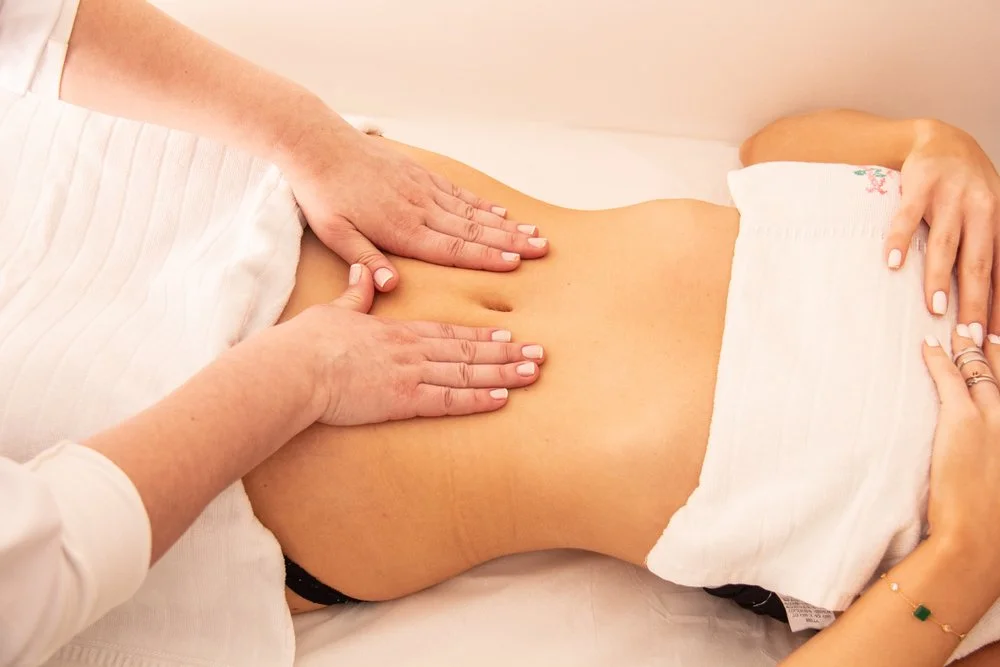
Deciding to undergo an abdominoplasty, or tummy tuck, is a significant step toward reclaiming your body confidence. Whether it’s to repair muscles after pregnancy, address loose skin after weight loss, or simply to contour your midsection, the results can be life-changing. But for patients in the South Bay—from the hills of Palos Verdes to the shores of Redondo Beach—the excitement of surgery is often mixed with anxiety about the recovery process.
A tummy tuck is major surgery. Unlike less invasive procedures, it involves the removal of skin, the tightening of abdominal muscles, and often liposuction of the flanks. This combination creates a significant healing workload for your body. Understanding the tummy tuck recovery timeline is essential for managing your expectations and planning your life post-op.
One of the most critical questions we hear at Lympha Villa is: "When can I start massage?" Patients are eager to reduce the inevitable swelling and see their new waistline, but they are also terrified of hurting their fresh incision.
In this comprehensive guide, we will walk you through the recovery journey week by week, explaining exactly when and why lymphatic massage after tummy tuck should be introduced to optimize your results and ensure safe, smooth healing.
Understanding the Tummy Tuck Trauma
To understand why your recovery timeline looks the way it does, you need to understand what happens during the procedure. An abdominoplasty is more than just skin deep.
Muscle Repair (Diastasis Recti): The surgeon sutures the abdominal muscles back together, creating an internal "corset." This is why you feel so tight and cannot stand up straight initially.
Skin Removal: A large horizontal incision is made (usually hip to hip) to remove excess skin. This severs the superficial lymphatic vessels that normally drain fluid from the lower abdomen down to the groin.
Liposuction: Often performed on the hips or flanks to contour the waist, adding additional trauma and fluid buildup.
Because the normal drainage pathways (down to the groin) have been cut by the incision, the fluid in your abdomen is trapped. It must find a new route—usually upward to the armpits (axillary nodes). This "rerouting" doesn't happen automatically; your body needs help. This is where professional post-op care South Bay specialists become vital partners in your recovery.
The Pre-Op Phase: Preparation is Key
Your recovery actually begins before you step into the operating room.
Plan Your Support: You will not be able to lift anything over 10 pounds or stand fully upright for weeks. Arrange for help with childcare, cooking, and driving.
Book Your Massage: The best surgeons in the South Bay often recommend booking your lymphatic sessions in advance. Knowing you have an appointment on the books for 2-3 weeks post-op gives you a goal to work toward.
Hydrate: Start hydrating well before surgery to ensure your tissues are healthy and ready to heal.
Week 1: Survival Mode (Days 1-7)
The Vibe: Sore, hunched, and dependent.
The Swelling: Moderate to severe.
Lymphatic Massage Status: Generally No.
During the first week, your body is in shock. Your main job is to survive and rest.
Drains: You likely have 1 or 2 surgical drains coming out of your incision. These tubes actively pull blood and fluid out of the surgical site to prevent seromas (fluid pockets). While these are in place, manual massage is typically not performed, or is very limited.
Posture: You will be walking bent over at the waist ("the old lady walk") to protect the muscle repair. Do not try to stand up straight, or you risk popping internal sutures.
Movement: Short walks to the bathroom and kitchen are essential to prevent blood clots, but that is the extent of your exercise.
Can I do anything for my lymphatics?
Yes! Deep diaphragmatic breathing is the "pump" for the deep lymphatic system. Even while lying in bed (with knees bent!), taking slow, deep breaths helps move fluid internally without touching your skin.
Week 2: The Turning Point (Days 8-14)
The Vibe: Itchy, tired, but mobile.
The Swelling: Peaking.
Lymphatic Massage Status: Consult Your Surgeon.
By week 2, most patients have their drains removed. This is a huge milestone! However, once the drains are out, the fluid has nowhere to go but into your tissue. You might notice you feel more swollen after the drains come out than when they were in. This is normal, but it’s the signal that it’s time to start therapy.
When to Start:
Once your drains are removed and your surgeon checks your incision to ensure there is no infection or opening (dehiscence), you are usually cleared for lymphatic massage after tummy tuck. This is typically around Day 10 to Day 14.
Why start now?
Fluid Rerouting: Without the drains, fluid accumulates above the incision line, creating a "shelf" or "muffin top" of swelling. Massage manually pushes this fluid up toward the armpits, relieving pressure on the incision.
Pain Relief: Swelling pulls on the fresh scar. Reducing swelling reduces tension and pain.
If you are cleared, you can book your first session with our medical team.
Week 3-4: The "Modeling" Phase
The Vibe: Feeling stronger, walking straighter.
The Swelling: fluctuating and stubborn.
Lymphatic Massage Status: CRITICAL.
This is the most important month for shaping your results. You are likely feeling better and moving more, but gravity is working against you. By the end of the day, your lower belly may feel rock hard.
The Risk of Fibrosis
Between weeks 3 and 4, the body starts to lay down scar tissue. If protein-rich fluid is still sitting in your abdomen or flanks, it will turn into fibrosis—hard, woody lumps under the skin.
Frequency: We typically recommend 1-2 sessions per week during this phase.
The Goal: Our therapists use specific techniques to soften any hardening tissue and ensure the skin lays flat against the muscle. We also begin gentle scar mobilization if the incision is fully closed (no scabs).
What Lympha Villa Does Differently:
At Lympha Villa, we don't just "rub" the belly. We understand the altered anatomy. We know we cannot push fluid down across the scar yet. We meticulously guide fluid away from the incision, protecting the integrity of your wound while reducing the bulk.
Week 5-6: Returning to Normalcy
The Vibe: Ready for the gym (but not allowed yet).
The Swelling: improving, but present.
Lymphatic Massage Status: Maintenance.
Most patients return to work (desk jobs) around this time. Sitting for 8 hours a day acts like a tourniquet at the hips, trapping fluid in the abdomen.
Symptoms: You might wake up flat and go to bed swollen ("Swell Hell"). This is frustrating but normal.
Massage Focus: We focus on breaking down any residual hardness in the flanks (love handle area) where liposuction was performed. We also assess your compression garment. Often, at this stage, your faja might be too loose to be effective, or it might be digging in and causing swelling. Our team can advise you on when to size down or switch to a different support garment.
Month 3-6: The Long Tail of Recovery
The Vibe: Loving the new look.
The Swelling: Only with salty food or heavy exercise.
Lymphatic Massage Status: As needed.
Complete healing from a tummy tuck takes 6 to 12 months. The "final" result isn't fully visible until the deep swelling in the muscle repair and the incision line settles.
Scar Care: During this phase, massage can transition into scar therapy. Mobilizing the scar tissue prevents it from adhering to the underlying muscle, ensuring that when you move, your scar doesn't "dent" inward.
Wellness: Many South Bay clients continue coming once a month simply because it maintains their health, boosts immunity, and keeps their midsection feeling light and detoxified.
Why Professional Care Matters for Tummy Tucks
You might be tempted to watch a YouTube video and do this yourself. While self-massage is helpful later on, in the first 6 weeks, professional care is safer and more effective.
1. Protecting the Incision
A professional knows exactly how close they can get to the incision without putting tension on it. Rubbing the wrong way can cause the wound to separate.
2. Identifying Complications
Our therapists are medically trained. We are often the first to notice a seroma (a liquid pocket that waves like a waterbed). If we feel a seroma, we stop massage in that area and refer you back to your surgeon for aspiration. Massaging over a seroma can make it worse or spread infection.
3. Managing the "Shelf"
The "shelf" is a common complication where the tissue above the scar stays puffy while the scar is tight, creating an overhang. Specialized lymphatic drainage is the only non-surgical way to flatten this shelf by draining the fluid trapped above the scar barrier.
Essential Tips for South Bay Tummy Tuck Patients
Living in our beautiful beach cities comes with specific lifestyle questions during recovery.
"When can I go to the beach?"
Salt air is great; salt water is not (yet). Do not submerge your incision in the ocean, pool, or Jacuzzi until it is fully closed and your surgeon gives the green light (usually 4-6 weeks). Even then, keep your scar out of the sun for a full year to prevent it from turning dark purple.
"What should I eat?"
Recovery requires protein (to knit the muscle and skin back together) and low sodium. The restaurants in Manhattan Beach and Hermosa are delicious, but restaurant food is loaded with salt. Cooking fresh, simple meals at home will drastically reduce your swelling compared to dining out.
"Do I really need the Faja?"
Yes. For a tummy tuck, the compression garment supports the muscle repair. If you take it off too early, you risk "bulging" because the internal sutures haven't fully scarred down yet. Wear it as instructed—usually 23 hours a day for 6 weeks.
The Emotional Rollercoaster of Recovery
We want to validate that the tummy tuck recovery timeline isn't just physical; it's emotional. Week 2 and 3 are often called the "Post-Op Blues." You are in pain, you are tired of sleeping on your back, you are swollen, and you don't look "snatched" yet.
Coming into Lympha Villa for your sessions offers more than just drainage. It offers human connection, reassurance, and a safe space to vent about your recovery. We track your progress and remind you that what you are feeling is temporary. When you leave our clinic, you don't just look smaller—you feel lighter mentally.
Frequently Asked Questions
Can I get massage if I still have drains?
At Lympha Villa, we generally prefer to wait until drains are removed to perform abdominal massage. However, we can perform lymphatic drainage on the legs or upper body to help overall circulation and relaxation while drains are still in.
Is the massage painful?
No. Lymphatic drainage is gentle. If your therapist is hurting you, they are going too deep. The only "discomfort" might be when we work on fibrous areas later in recovery, but the drainage itself should be soothing.
Does insurance cover this?
Tummy tucks are elective cosmetic surgeries, so post-op care is typically out-of-pocket. However, Lympha Villa offers transparent pricing and packages to help you budget for your recovery. Check our insurance page to understand where your coverage stands for other conditions.
What if I develop a seroma?
If we detect a seroma, we will pause treatment in that specific area and instruct you to see your surgeon. Once the fluid is aspirated (drained with a needle), we can resume massage to help prevent it from refilling.
Conclusion: Invest in Your Final Result
You have invested significantly in your tummy tuck—financially, physically, and emotionally. Don't compromise that investment in the final mile. The difference between a "good" result and a "great" result often comes down to how you manage the recovery.
By following this tummy tuck recovery timeline and incorporating professional lymphatic massage after tummy tuck, you ensure that your abdomen heals flat, smooth, and soft.
If you are in the South Bay—Torrance, Redondo, Hermosa, Manhattan, or Palos Verdes—the experts at Lympha Villa are here to guide you. We combine medical expertise with compassionate care to get you back to your life (and your bikini) faster.
Ready to plan your recovery?
Don't wait until swelling sets in. Book your post-op sessions today and secure your spot on our schedule. Your future self will thank you.