

How Gentle Pressure Stimulates Lymph Flow
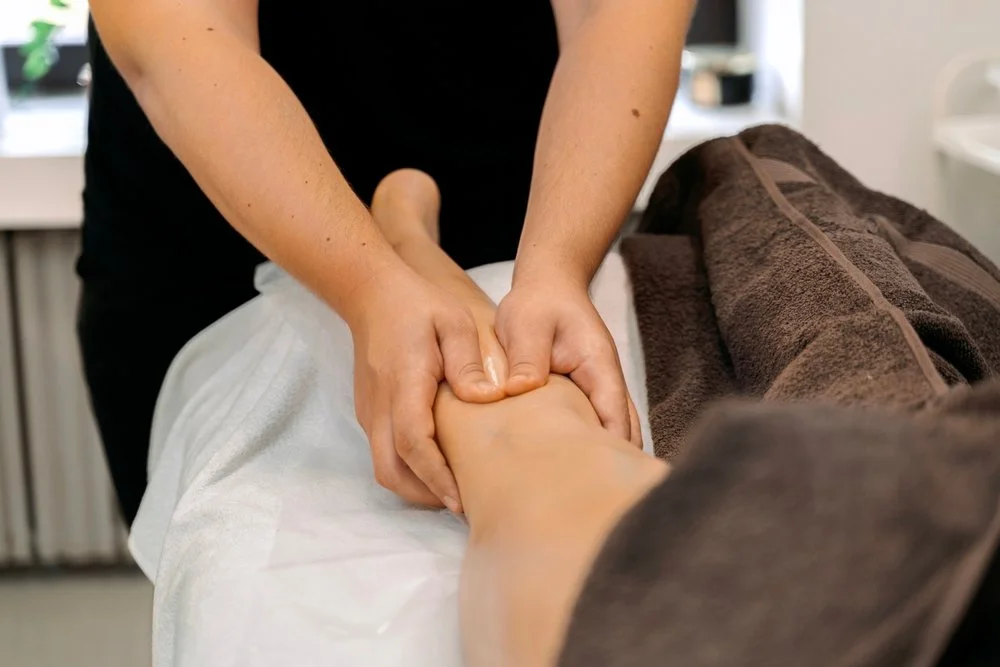
When you think of a massage, you might picture deep pressure designed to work out tough muscle knots. That’s why the concept of lymphatic drainage massage can be perplexing. How can a touch so light—often described as feather-soft—create such profound physiological changes? It seems to defy logic. Yet, this gentle, precise technique is a cornerstone of recovery and wellness, capable of reducing swelling, accelerating healing, and boosting immune function.
The secret lies in the unique science and anatomy of the lymphatic system. This therapy isn't designed to affect your muscles; it's engineered to communicate directly with a delicate network of vessels lying just beneath your skin. Understanding the science behind how gentle pressure stimulates lymph flow reveals why this technique is not only effective but essential for anyone looking to support their body’s natural healing processes. This guide will delve into the intricate anatomy of your lymphatic system and explain exactly how Manual Lymphatic Drainage (MLD) works.
Your Body’s Silent River: Understanding the Lymphatic System
Before we can explore the "how" of gentle pressure, we must first understand the "what"—the lymphatic system itself. Think of it as your body's sophisticated waste management and recycling plant. It's a vast, complex network of vessels, nodes, and organs that runs parallel to your circulatory system, but with a few critical differences. Its primary jobs include maintaining fluid balance, absorbing dietary fats, and housing your immune cells.
The Anatomy of Lymph Flow
The lymphatic network begins with microscopic, blind-ended vessels called initial lymphatics or lymphatic capillaries. These tiny structures are woven throughout your body's tissues, in the interstitial space between cells. Their walls are made of a single layer of overlapping endothelial cells, which act like one-way swinging doors.
When fluid pressure in the surrounding tissue is higher than the pressure inside the lymphatic capillary, these tiny "doors" swing open, allowing interstitial fluid, proteins, cellular waste, viruses, and bacteria to enter. Once inside, this fluid is called lymph.
From the initial lymphatics, the lymph moves into larger vessels called pre-collectors and then into collectors. These collectors have muscular walls and one-way valves, much like veins, which prevent the fluid from flowing backward. The lymph is propelled along these vessels, eventually passing through a series of lymph nodes.
The Role of Lymph Nodes
Lymph nodes are small, bean-shaped structures that act as highly advanced biological filtration stations. You have hundreds of them clustered in areas like your neck, armpits, groin, and abdomen. Inside the nodes, specialized immune cells (like lymphocytes and macrophages) identify and destroy harmful substances—pathogens, cancer cells, and other debris—cleansing the lymph before it continues its journey. This is why your lymph nodes may become swollen and tender when you're sick; it's a sign that your immune system is hard at work.
The Final Destination
After being filtered, the clean lymph travels through progressively larger vessels until it reaches two main ducts in your chest: the thoracic duct and the right lymphatic duct. These ducts return the lymph to the bloodstream at the subclavian veins, located near your collarbones. This completes the cycle, maintaining your body's fluid equilibrium.
The System with No Pump
Here is the most critical distinction: unlike your circulatory system which has the heart as a powerful central pump, the lymphatic system has no pump. Its flow depends on external forces, including:
The contraction of surrounding skeletal muscles.
The pulsing of nearby arteries.
Deep breathing, which changes pressure in the chest cavity.
The intrinsic, slow pulsing of the muscular walls of the collector vessels.
When you are inactive, sick, or have had surgery, these natural mechanisms can become insufficient or compromised, leading to slow, stagnant lymph flow. This is where gentle pressure techniques come into play.
The Science of Manual Lymphatic Drainage (MLD)
Manual Lymphatic Drainage is a precise manual technique designed to give the lymphatic system a much-needed boost. It’s not just "light massage"; it’s a specific, science-based intervention that targets the initial lymphatics with remarkable accuracy.
The Target: Superficial Lymphatic Vessels
The vast majority (about 70%) of your initial lymphatics are located in the superficial fascia, just a few millimeters beneath the surface of your skin. These are the vessels that MLD is designed to stimulate. They are incredibly delicate and responsive to light touch.
Crucially, these initial lymphatics are attached to the surrounding connective tissue by tiny structures called anchoring filaments. This is the key to how MLD works.
How Gentle Pressure Creates a Pumping Action
A certified lymphatic therapist uses a very specific, gentle, skin-stretching motion. The pressure is exceptionally light—just enough to engage the skin without compressing the underlying tissue. Here’s what’s happening on a microscopic level during a typical MLD stroke:
The Working Phase (Skin Stretch): The therapist applies a gentle, directional stretch to the skin. This pull on the skin also pulls on the anchoring filaments. As the anchoring filaments are tugged, they pull open the "swinging doors" (the overlapping endothelial cells) of the initial lymphatic vessels. This creates a pressure gradient, encouraging the interstitial fluid from the surrounding tissue to flow into the lymphatic capillary.
The Resting Phase (Pressure Release): The therapist then releases the stretch. The natural elasticity of the skin allows it to return to its normal position. This release of tension causes the pressure inside the lymphatic capillary to become higher than the pressure in the interstitial fluid, forcing the "swinging doors" to close. This traps the fluid inside the vessel.
This slow, rhythmic sequence of stretching and releasing the skin creates a "pumping" effect, manually filling the initial lymphatics and encouraging the fluid to move into the larger collector vessels. It’s a beautifully simple mechanical process that has a profound impact.
Why Deep Pressure Doesn't Work
Understanding this mechanism also makes it clear why deep pressure is counterproductive for stimulating lymph flow. Applying heavy pressure would simply compress and collapse the delicate initial lymphatic vessels, preventing them from being able to open and take in fluid. It’s like trying to fill a water balloon by squeezing it shut. This is why the expertise of a properly trained therapist is so crucial; they possess the anatomical knowledge and technical skill to apply the precise, light pressure needed to achieve the desired effect without collapsing these fragile structures.
Respecting the Flow: Direction and Sequencing
MLD is not just about the right pressure; it's also about the right direction and sequence. A therapist doesn't just randomly rub the skin. The strokes are always directed toward healthy, functioning lymph nodes.
The process is methodical. A therapist will always start by "clearing" the central and proximal areas first. This means they will begin by stimulating the major lymph node clusters in the neck and torso. By doing this, they create a "vacuum" effect, emptying the vessels and nodes closest to the system's terminus. This ensures there is somewhere for the fluid from the more peripheral areas (like the arms and legs) to go.
Trying to push fluid from a swollen limb toward a congested torso would be like trying to force more cars onto an already gridlocked freeway. A skilled MLD practitioner clears the freeway first before directing traffic onto the on-ramps.
Physiological Benefits of Stimulating Lymph Flow
When MLD successfully stimulates the lymphatic system, it triggers a cascade of positive physiological effects that are crucial for health, wellness, and recovery.
1. Reduction of Edema (Swelling)
This is the most direct and visible benefit. By manually moving excess fluid from the interstitial spaces back into circulation, MLD effectively reduces the swelling caused by surgery, injury, or chronic conditions like lymphedema. This reduction in fluid pressure alleviates pain, improves mobility, and restores a feeling of lightness to the affected area. This is a primary goal of our post-surgery and lymphedema care services.
2. Enhanced Immune Function
Lymph is your immune system's superhighway. It transports immune cells throughout the body and carries captured pathogens to the lymph nodes to be destroyed. By increasing the volume and speed of lymph flow, MLD enhances this immune surveillance. It ensures that immune cells get where they need to go faster and that pathogens are delivered to the filtration centers more efficiently. This can help prevent post-operative infections and support the body's overall defense system.
3. Accelerated Detoxification and Healing
Cellular metabolism, injury, and intense exercise all produce waste products that need to be cleared from the tissues. A sluggish lymphatic system allows this waste to accumulate, slowing down healing and contributing to feelings of fatigue and soreness. By stimulating lymph flow, MLD speeds up the removal of this metabolic debris. This "cleans the slate," allowing a fresh supply of oxygenated, nutrient-rich blood to reach the cells, thereby accelerating tissue repair and recovery.
4. Down-Regulation of the Sympathetic Nervous System
The gentle, rhythmic, and monotonous nature of MLD has a powerful effect on the nervous system. It helps shift the body from a state of "fight or flight" (the sympathetic nervous system) to "rest and digest" (the parasympathetic nervous system). This is why many clients feel deeply relaxed or even fall asleep during a session. This calming effect can help reduce stress, lower blood pressure, and alleviate pain by interrupting the pain-spasm-pain cycle.
Putting Science into Practice
The science is clear: gentle pressure, when applied correctly, is the key to unlocking the power of the lymphatic system. It’s a technique founded on a deep respect for the body's intricate design, leveraging a light touch to create a powerful systemic response.
Whether you are recovering from a medical procedure, managing a chronic condition, or simply seeking to optimize your body's natural cleansing processes, understanding this science helps you appreciate that lymphatic drainage is not just a luxury—it is a targeted, effective therapy. Entrusting your care to a certified specialist ensures that this scientific knowledge is put into practice safely and effectively, helping you achieve your health and wellness goals.