

Local Guide: When to Choose Lymphatic Drainage Massage vs. Medical Lymphedema Therapy
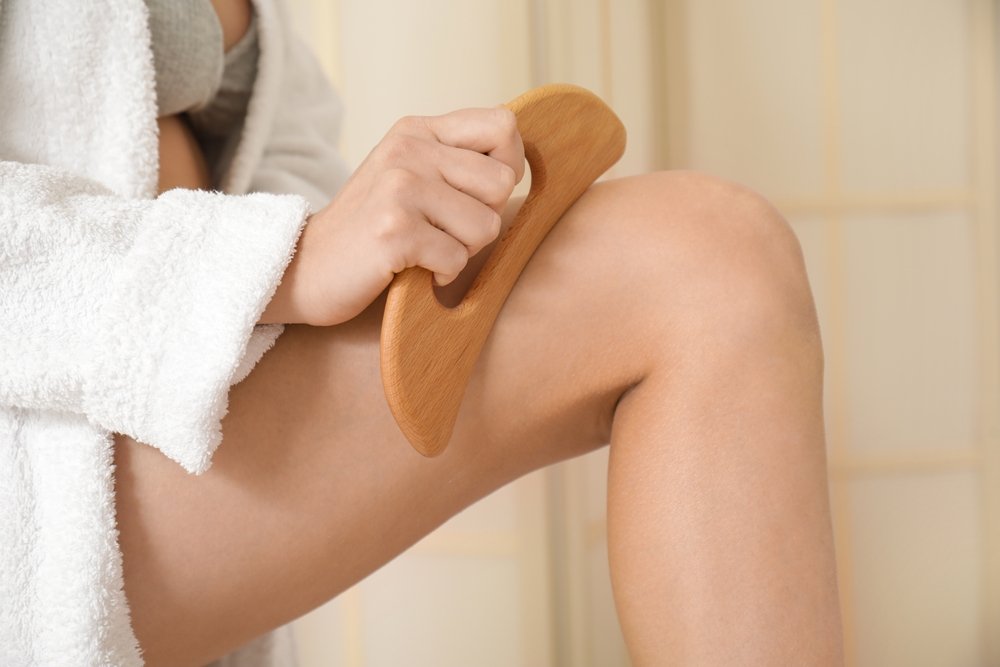
The world of lymphatic health is gaining well-deserved attention, and with it, terms like "lymphatic massage" and "lymphedema therapy" are becoming more common. While they both focus on the same crucial bodily system, they are not interchangeable. Understanding the distinction is vital for anyone in the South Bay seeking to support their wellness, accelerate recovery, or manage a medical condition. Choosing the right therapy for your specific needs ensures you receive the safest, most effective care.
This guide will serve as your local resource for demystifying these two powerful therapies. We will break down the key differences between a wellness-focused lymphatic drainage massage and medically-prescribed lymphedema therapy. By exploring their unique purposes, techniques, and ideal candidates, you'll gain the clarity needed to make an informed decision about your health, guided by the expertise available right here in our community.
Understanding the Common Ground: The Lymphatic System
Before we explore the differences, it's important to recognize what these two therapies share: a focus on the lymphatic system. This intricate and often underestimated network is a cornerstone of your overall health, acting as your body's internal cleaning and defense service.
The lymphatic system is a complex web of vessels, nodes, and organs responsible for:
Fluid Balance: It collects excess fluid that leaks from blood vessels into your tissues and returns it to the bloodstream, preventing swelling.
Detoxification: It is the primary pathway for removing metabolic waste, cellular debris, and toxins from your body.
Immune Response: Your lymph nodes filter the lymph fluid, trapping and destroying pathogens like bacteria and viruses, forming the backbone of your immune system.
Unlike the circulatory system, which has the heart as its pump, the lymphatic system is passive. It relies on muscle movement, deep breathing, and good hydration to keep fluid circulating. When this system becomes slow, congested, or damaged, it can lead to a range of issues, from general sluggishness and bloating to serious medical conditions. Both lymphatic drainage massage and lymphedema therapy aim to support and stimulate this system, but they do so with very different goals and methods.
What is Lymphatic Drainage Massage? The Wellness Approach
Lymphatic Drainage Massage, often referred to as Manual Lymphatic Drainage (MLD), is a gentle, non-invasive therapy designed to support and enhance the function of a healthy lymphatic system. It is primarily a wellness and recovery treatment chosen by individuals looking to optimize their body's natural processes.
Think of it as proactive maintenance. You might get an oil change for your car to keep it running smoothly, not just when it breaks down. Similarly, a lymphatic massage helps keep your body’s internal drainage system flowing efficiently, preventing congestion before it becomes a problem.
At a specialized clinic like Lympha Villa, which serves the South Bay communities from Torrance to Manhattan Beach, these sessions are performed by licensed healthcare professionals. They use light, rhythmic, wave-like strokes on the surface of the skin. The pressure is exceptionally gentle, just enough to stimulate the superficial lymphatic vessels that lie directly beneath. The goal is to encourage the natural direction of lymph flow, helping the body to detoxify, reduce inflammation, and function at its best.
Who is Lymphatic Drainage Massage For?
This therapy is ideal for individuals with an intact and generally healthy lymphatic system who want to address sub-clinical issues or enhance their overall well-being.
Common reasons people seek lymphatic drainage massage:
General Wellness and Detoxification: If you experience feelings of sluggishness, brain fog, or persistent bloating, your lymphatic system may be congested. A session can help flush out toxins and excess fluid, providing a powerful reset that leaves you feeling lighter and more energized.
Post-Workout Recovery: The active lifestyle in the South Bay means lots of exercise, which produces metabolic waste. Lymphatic massage helps clear this waste from your muscles more quickly, reducing soreness and speeding up recovery time between workouts.
Post-Surgical Recovery: This is one of the most popular and effective applications. After cosmetic or orthopedic surgery, the body experiences significant swelling and inflammation. Lymphatic massage is crucial for reducing post-operative swelling, minimizing bruising, alleviating pain, and preventing the formation of hard scar tissue (fibrosis). It's a cornerstone of a smooth recovery, but it’s important to note this is for routine post-op swelling, not for cases where the lymphatic system has been surgically damaged. Post-operative sessions are a key offering at specialized clinics.
Boosting the Immune System: By keeping lymph fluid moving, you ensure that immune cells are circulating effectively. Regular sessions can help support a robust immune response, which is beneficial for everyone, especially during cold and flu season.
Improving Skin Health: A sluggish lymphatic system can lead to puffiness, dull skin, and acne. By improving circulation in the facial tissues, lymphatic massage can promote a clearer, brighter complexion.
Stress Reduction: The gentle, rhythmic nature of the massage is deeply relaxing and calming for the nervous system, making it an excellent tool for managing stress and anxiety.
In essence, a lymphatic drainage massage is an elective therapy focused on optimization, recovery, and prevention. You can book a Signature Lymphatic Drainage Massage as part of your regular wellness routine.
What is Medical Lymphedema Therapy? The Clinical Approach
Medical Lymphedema Therapy is a comprehensive, multi-component treatment program prescribed by a physician to manage a diagnosed medical condition, most commonly lymphedema. Lymphedema is a chronic condition characterized by significant, persistent swelling, typically in an arm or leg, caused by a compromised or damaged lymphatic system.
This damage can be:
Primary Lymphedema: A rare, inherited condition where the lymphatic system does not develop properly.
Secondary Lymphedema: A much more common condition that develops as a result of damage to the lymphatic system. The leading causes are cancer treatments (like lymph node removal or radiation), surgery, trauma, or serious infection.
Unlike a wellness massage, lymphedema therapy is not about general optimization; it's about medically managing a chronic disease to reduce symptoms, prevent progression, and improve quality of life. The gold standard for this treatment is Complete Decongestive Therapy (CDT).
The Four Pillars of Complete Decongestive Therapy (CDT)
CDT is an intensive program delivered by a Certified Lymphedema Therapist (CLT), a healthcare professional (often a physical, occupational, or massage therapist) who has undergone extensive, specialized training. CDT consists of four integrated components:
Manual Lymphatic Drainage (MLD): This is the same gentle massage technique used in the wellness approach, but its application is far more complex. The therapist must have an expert understanding of the damaged lymphatic system to manually re-route lymph fluid from the swollen limb to healthy, functioning lymph node groups elsewhere in the body. This is a highly strategic and clinical procedure.
Compression Therapy: This is a critical and non-negotiable part of lymphedema management. After MLD reduces the swelling, compression is applied to prevent the fluid from returning.
Phase 1 (Decongestion): Involves using multi-layered, short-stretch compression bandages applied by the therapist after each MLD session. This phase is intensive and may involve daily treatments for several weeks.
Phase 2 (Maintenance): Once the limb is decongested, the patient is fitted for custom compression garments (e.g., sleeves or stockings) to be worn daily. This is a lifelong management tool.
Decongestive Exercises: The therapist teaches the patient specific, gentle exercises to be performed while wearing their compression bandages or garments. The muscle contractions against the firm compression create an effective pumping action that helps move lymph fluid out of the limb.
Meticulous Skin and Nail Care: Lymphedema makes the skin in the affected area fragile and prone to infection. A small cut or insect bite can lead to a serious infection called cellulitis. Patients are educated on a rigorous hygiene and skincare routine to maintain skin integrity and prevent complications.
Who is Lymphedema Therapy For?
CDT is exclusively for individuals with a medical diagnosis that requires clinical management of the lymphatic system. This includes:
Lymphedema (primary or secondary)
Lipedema (a chronic condition involving a painful buildup of fat and fluid, often in the legs)
Phlebo-Lymphedema (swelling due to chronic venous insufficiency)
Complex Post-Traumatic or Post-Surgical Edema where the lymphatic system itself has been significantly impaired.
Lymphedema therapy is not something you book for general wellness. It requires a doctor's diagnosis and referral and is administered as a comprehensive medical treatment plan.
Side-by-Side Comparison: Massage vs. Therapy
Feature
Lymphatic Drainage Massage (Wellness)
Medical Lymphedema Therapy (CDT)
Primary Goal
Wellness, detoxification, recovery, and prevention in a healthy system.
Medical management of a diagnosed, chronic condition (e.g., lymphedema).
Indication
Bloating, sluggishness, post-op swelling, post-workout soreness, stress.
Physician-diagnosed lymphedema, lipedema, or other complex lymphatic disorders.
Therapist
Licensed therapist, often with MLD certification. At Lympha Villa, these are healthcare professionals.
Certified Lymphedema Therapist (CLT) with 135+ hours of specialized training.
Treatment Components
Primarily Manual Lymphatic Drainage (MLD).
A multi-part program: MLD, compression bandaging/garments, specific exercises, and meticulous skin care.
Frequency & Duration
Can be a single session or part of a regular wellness routine (e.g., monthly).
An intensive treatment phase (often daily for 2-4 weeks) followed by a lifelong self-management phase.
Use of Compression
Not required.
Essential and non-negotiable. Includes multi-layer bandaging and daily use of custom compression garments.
How to Access
Self-referral. You can book a session directly.
Requires a diagnosis and referral from a medical doctor.
Insurance Coverage
Typically not covered by insurance; considered a wellness service.
Often covered by insurance as a medically necessary treatment, though coverage varies.
Making the Right Choice for Your Health
Now that the differences are clear, how do you decide which path is right for you? Here’s a simple guide based on common scenarios in our South Bay community.
Choose a Lymphatic Drainage Massage if:
You are recovering from a planned surgery (like a tummy tuck, BBL, or knee replacement) and want to manage the expected swelling and bruising.
You feel generally healthy but often experience bloating, fatigue, or water retention.
You are an active individual looking to enhance your muscle recovery and reduce soreness.
You want to support your immune system and reduce stress as part of a proactive wellness plan.
You are looking for a natural way to improve your skin's clarity and reduce puffiness.
For these needs, you can confidently book a wellness-focused session. You can even choose between a Signature 50-minute session for a full-body treatment or an Express 25-minute session for a targeted tune-up.
You Need Medical Lymphedema Therapy if:
You have persistent, significant swelling in a limb that does not go away overnight.
You have undergone cancer treatment that involved the removal of lymph nodes or radiation therapy.
Your skin in a swollen area feels tight, hard, and is difficult to pinch.
You have been given a diagnosis of lymphedema, lipedema, or a related disorder by a doctor.
You experience recurring infections (cellulitis) in a swollen limb.
If any of these apply to you, your first step is to see your doctor. Discuss your symptoms and ask for a referral to a Certified Lymphedema Therapist. Attempting to manage a medical condition like lymphedema with wellness-level massage alone is ineffective and can even be unsafe if not done correctly.
The Lympha Villa Advantage: Expertise Across the Spectrum
For residents of the South Bay, having a clinic that understands and provides services across this spectrum is invaluable. Lympha Villa is unique because its team consists of medically licensed healthcare professionals who are also Certified Lymphedema Therapists.
This means they have the depth of knowledge to:
Provide the highest quality lymphatic drainage massage for wellness, detox, and post-operative recovery.
Administer comprehensive Complete Decongestive Therapy (CDT) for patients with a medical diagnosis of lymphedema or related conditions.
Accurately assess your needs and guide you toward the appropriate therapy, ensuring you don't receive wellness-level care when medical intervention is required.
This dual expertise provides a seamless and trustworthy resource for the entire community. Whether you're an athlete seeking better recovery or a cancer survivor managing the side effects of treatment, you are in the hands of experts who can tailor their approach precisely to your needs.
Understanding the difference between lymphatic drainage massage and medical lymphedema therapy empowers you to be an active participant in your health journey. One is a tool for optimizing an already functional system, while the other is a crucial medical intervention for managing a chronic disease. Both are powerful, but they are not interchangeable. By choosing the right therapy, you ensure your body gets the specific support it needs to heal, recover, and thrive.