

Lymphatic vs. Deep Tissue Massage for Recovery
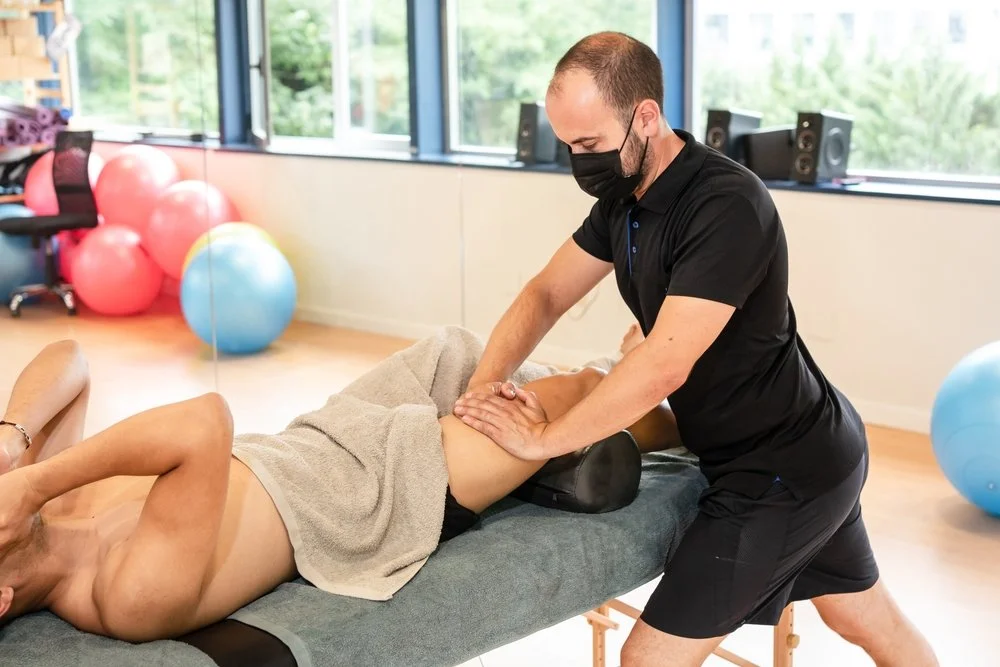
When you're looking for a massage to aid recovery, the options can seem overwhelming. Two popular yet fundamentally different choices are lymphatic drainage massage and deep tissue massage. While both can be incredibly beneficial, they work in distinct ways and are suited for different recovery needs. One focuses on the delicate surface-level network responsible for fluid balance and detoxification, while the other targets the deep layers of muscle and connective tissue to release chronic tension.
Understanding the difference is key to choosing the right therapy to accelerate your healing, whether you're recovering from an intense workout, recent surgery, or simply managing the stresses of daily life. This guide will break down everything you need to know about lymphatic drainage and deep tissue massage. We'll explore how each technique works, its specific benefits for recovery, and which one is the superior choice for your unique situation.
What is the Lymphatic System and Why Does it Matter for Recovery?
Before we can compare these two massage techniques, it's crucial to understand the system that one of them is entirely dedicated to: the lymphatic system. Think of it as your body's internal sanitation department. It’s a vast and complex network of tissues, vessels, and organs that work together to maintain fluid levels, absorb fats from the digestive tract, and, most importantly, protect your body from illness-causing invaders.
Unlike your circulatory system, which has the heart to pump blood, the lymphatic system has no central pump. It relies on the contraction of surrounding muscles, deep breathing, and body movement to propel lymphatic fluid—or lymph—through its vessels. This fluid is responsible for collecting waste products, toxins, bacteria, viruses, and excess water from your body's tissues.
This waste-filled fluid is transported to lymph nodes, which act as sophisticated filters. Inside the nodes, immune cells attack and destroy harmful substances before the cleaned fluid is returned to your bloodstream. When this system becomes slow, congested, or compromised—due to surgery, illness, inactivity, or injury—fluid can build up in the tissues. This leads to swelling (edema), a feeling of heaviness, a weakened immune response, and a slower recovery process.
Effective recovery hinges on your body's ability to clear out metabolic waste and reduce inflammation. A healthy, flowing lymphatic system is non-negotiable for this process. It's the unsung hero of healing, working silently behind the scenes to cleanse your tissues and support your immune function. This is precisely why therapies designed to support it, like lymphatic drainage massage, are so vital for recovery.
Understanding Lymphatic Drainage Massage
Lymphatic Drainage Massage, also known as Manual Lymphatic Drainage (MLD), is a specialized, gentle manual technique designed to stimulate and support the lymphatic system. It's not a typical massage focused on muscles; its purpose is to encourage the natural movement of lymph fluid.
The Technique: A Gentle and Rhythmic Approach
A licensed therapist performing a lymphatic drainage massage uses very light, rhythmic, and precise hand movements. The pressure is exceptionally gentle—just enough to stretch the skin and stimulate the superficial lymphatic vessels that lie just beneath it. Pushing too hard would compress these delicate vessels and be counterproductive.
The massage follows specific sequences, mapping the pathways of the lymphatic system. The therapist will typically start by stimulating the areas where lymph nodes are concentrated, such as the neck, armpits, and groin, to "clear the drains" before guiding fluid from congested areas toward these drainage points. The movements are slow, deliberate, and deeply relaxing, often described as a light, wave-like motion.
Core Benefits of Lymphatic Drainage for Recovery
The primary goal of MLD is to improve the efficiency of your body’s natural detoxification and fluid regulation processes. This provides several key benefits for recovery.
Reduces Swelling and Edema
This is perhaps the most well-known benefit of lymphatic massage. By manually encouraging the movement of trapped fluid away from tissues and back into circulation, MLD is highly effective at reducing swelling. This is particularly crucial for post-surgery recovery, where edema is a common and uncomfortable side effect of the body's inflammatory response. Reducing this swelling can alleviate pain, decrease pressure on incisions, and improve mobility.
Accelerates Healing and Detoxification
After an injury, surgery, or intense physical exertion, your body produces a significant amount of metabolic waste and cellular debris. The lymphatic system is responsible for cleaning up this mess. A lymphatic drainage massage speeds up this process, helping to clear waste products more quickly. This enhanced detoxification reduces the burden on your body, allowing it to dedicate more resources to repairing damaged tissues. Faster waste removal means faster healing.
Supports the Immune System
Your lymphatic system is a cornerstone of your immune health. By improving the flow of lymph, MLD ensures that immune cells are efficiently transported throughout the body to fight off potential infections. This is especially important after surgery, when the body is more vulnerable. A well-functioning lymphatic system can help prevent post-operative complications and support overall health during the recovery period.
Improves Scar Tissue Formation
For those recovering from surgery or injury, scar tissue is a natural part of the healing process. However, excessive or poorly formed scar tissue (fibrosis) can lead to stiffness, pain, and restricted movement. The gentle stretching and manipulation of the skin during lymphatic massage can help improve tissue softness and flexibility, leading to better, more pliable scar outcomes. It helps ensure that the healing tissue remains mobile and functional.
When is Lymphatic Drainage the Best Choice?
Lymphatic drainage massage is the superior choice in specific recovery scenarios where fluid management and gentle handling are paramount.
Post-Surgery Recovery: This is the gold standard for recovery after plastic surgery (like tummy tucks, liposuction, or mommy makeovers), orthopedic procedures, and other general surgeries. It directly addresses the primary post-op complaint: swelling.
Managing Lymphedema: For individuals with diagnosed lymphedema or lipedema, MLD is not just beneficial—it's an essential medical treatment for managing chronic swelling.
Injury Recovery: In the acute or sub-acute phase of an injury (after the initial 48-72 hours), when the area is still swollen and sensitive, MLD can help manage inflammation without causing further irritation.
General Wellness and Detox: If you feel sluggish, puffy, or are looking to support your body's natural cleansing processes, a lymphatic massage offers a gentle yet powerful reset.
Breast Cancer Recovery: It is a vital therapy for managing swelling and tissue changes that can occur after a mastectomy, lumpectomy, or lymph node removal.
Understanding Deep Tissue Massage
Deep tissue massage is what most people picture when they think of a massage meant to "work out the knots." It is a therapeutic technique that focuses on realigning the deeper layers of muscles and connective tissue, known as fascia.
The Technique: Intense and Focused Pressure
Unlike the gentle touch of MLD, deep tissue massage involves firm pressure and slow, deliberate strokes. The therapist uses their fingers, knuckles, forearms, and even elbows to apply intense, focused pressure on specific areas of tension and pain. The goal is to reach the sub-layer of musculature and the fascia that surrounds it.
This technique is designed to break up adhesions—often called "knots"—which are rigid bands of painful tissue in muscles, tendons, and ligaments. These adhesions can block circulation, cause pain, limit movement, and create inflammation. A deep tissue massage physically breaks down these adhesions to relieve pain and restore normal movement. It can be uncomfortable at times, as the therapist works through layers of chronic tension.
Core Benefits of Deep Tissue Massage for Recovery
The primary aim of deep tissue massage is to address chronic muscle pain and tension. Its benefits for recovery are rooted in its powerful effect on the musculoskeletal system.
Relieves Chronic Muscle Pain and Tension
This is the main benefit of deep tissue massage. By breaking up adhesions and releasing deeply held tension, it can significantly reduce chronic pain in areas like the lower back, neck, and shoulders. For athletes or individuals who engage in repetitive physical activities, it helps undo the muscular patterns that lead to persistent soreness and stiffness.
Improves Mobility and Range of Motion
When muscles are tight and full of adhesions, your range of motion can become restricted. A stiff neck that won't turn fully or a tight lower back that makes bending difficult are common examples. Deep tissue massage helps to lengthen and relax these tight muscles, breaking down the restrictions and allowing for greater flexibility and freedom of movement.
Reduces Muscle Soreness from Exercise
Deep tissue massage is a popular choice for athletes dealing with delayed onset muscle soreness (DOMS). While it might be too intense immediately after a workout, receiving a deep tissue massage a day or two later can help flush lactic acid, increase blood flow, and alleviate the soreness associated with strenuous exercise. It helps reset the muscles, preparing them for the next training session.
Aids in Breaking Down Scar Tissue
Similar to MLD, deep tissue massage can also help with scar tissue, but it does so in a more forceful way. After an injury has fully healed, deep tissue techniques can be used to break down older, more established scar tissue that is causing stiffness or restricting movement. This is typically done much later in the recovery process compared to the gentle work of MLD.
When is Deep Tissue Massage the Best Choice?
Deep tissue massage is the go-to option for recovery focused on muscular issues.
Chronic Pain and Aches: If your recovery is centered around managing long-term, persistent muscle pain in a specific area, deep tissue is designed for that purpose.
Sports Recovery: For athletes looking to recover from intense training, relieve muscle soreness, and prevent injury by keeping muscles pliable, deep tissue is highly effective.
Postural Issues: Individuals who suffer from pain due to poor posture (e.g., from sitting at a desk all day) can benefit greatly from deep tissue massage releasing the chronically contracted muscles.
Limited Mobility: When your recovery goal is to regain range of motion lost due to muscle tightness, deep tissue massage can help restore that flexibility.
Head-to-Head Comparison: Lymphatic vs. Deep Tissue
To make the choice clearer, let's directly compare these two therapies across key recovery factors.
Feature
Lymphatic Drainage Massage
Deep Tissue Massage
Primary Target
Lymphatic system (fluid)
Deep layers of muscle and fascia (tissue)
Pressure
Extremely light, gentle skin-stretching
Firm, intense, and focused
Main Goal
Reduce swelling, enhance detoxification, support immune function
Relieve chronic muscle tension, break up adhesions, restore mobility
Sensation
Deeply relaxing, soothing, and gentle
Can be uncomfortable or painful, intense
Best For
Post-surgery, lymphedema, acute swelling, detox
Chronic pain, sports recovery, muscle knots, postural issues
Key Benefit
De-puffing and fluid management
Tension release and pain relief
When to Avoid
Not ideal for targeting deep muscle knots
Immediately after surgery, on acute injuries, or with skin infections
Which Massage is Better for Your Recovery? The Verdict
The question isn't which massage is "better" overall, but which is better for your specific recovery needs right now. The answer depends entirely on the nature of your condition.
Choose Lymphatic Drainage Massage if:
Your primary concern is swelling, fluid retention, or detoxification. If you have recently had surgery, you are in the early stages of recovering from an injury with significant edema, or you are looking for a gentle way to support your immune system and overall wellness, lymphatic drainage massage is the clear winner. Its ability to gently and effectively manage fluid is unmatched. Trying to use deep tissue massage on a swollen, post-operative area would be incredibly painful and counterproductive, likely causing more inflammation and damage.
At Lympha Villa, our medically licensed therapists specialize in this precise work, tailoring each session to your unique recovery stage. We understand the delicate nature of the lymphatic system and provide the expert care needed to accelerate your healing safely.
Choose Deep Tissue Massage if:
Your primary issue is deep, chronic muscle pain, stiffness, or "knots." If you are an athlete recovering from a tough week of training, or if you have long-standing back or neck pain from postural stress, deep tissue massage is the right tool for the job. It is designed to physically break down the adhesions and release the muscular tension that is causing your discomfort and limiting your movement. Using lymphatic drainage for a deep muscle knot would feel nice, but it wouldn't provide the focused pressure needed to release it.
Can They Be Used Together?
In some cases, yes. A comprehensive recovery plan might incorporate both modalities at different times. For example, someone recovering from orthopedic surgery might use lymphatic drainage massage in the initial weeks to manage swelling and promote healing. Then, several weeks or months later, once the swelling has subsided and the initial healing is complete, they might incorporate deep tissue massage to address any residual muscle tightness or scar tissue that is limiting their range of motion.
It is crucial to work with a knowledgeable therapist who understands when it is appropriate and safe to use each technique. A qualified professional can guide you through the different phases of your recovery, applying the right therapy at the right time to maximize your results.
Your Path to a Better Recovery Starts Here
Choosing the right massage therapy is a critical step in taking control of your recovery. While deep tissue massage offers powerful relief for muscle-specific issues, lymphatic drainage massage provides an essential, gentle approach for managing swelling, accelerating healing, and supporting your body's fundamental detoxification processes.
For anyone in the South Bay recovering from surgery, managing a lymphatic condition, or simply seeking to enhance their body's natural recovery abilities, understanding the benefits of MLD is transformative. It's not just a massage; it's a specialized therapy that supports your body from the inside out.
If you are unsure which therapy is right for you, we invite you to connect with our team. At Lympha Villa, we are dedicated to providing expert guidance and care to help you on your wellness journey.