

How Many Lymphatic Massages Do You Need After Surgery? A Guide for South Bay Patients
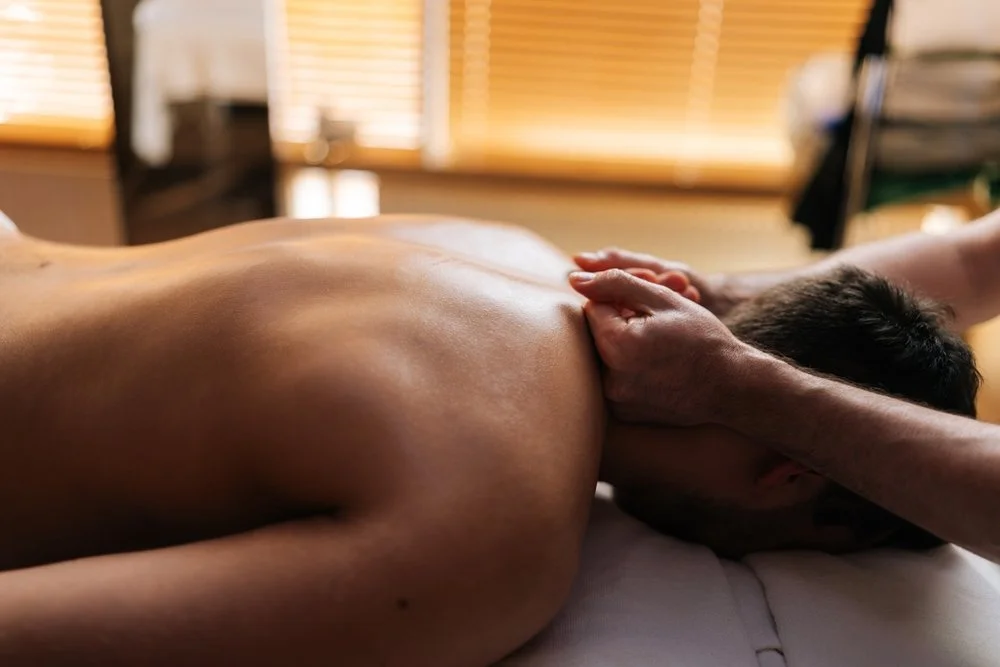
If you have recently undergone cosmetic, orthopedic, or reconstructive surgery in the South Bay area, your surgeon has likely mentioned the importance of "lymphatic massage" or "MLD" (Manual Lymphatic Drainage). Whether you’ve had a tummy tuck in Torrance, liposuction in Redondo Beach, or a knee replacement in Palos Verdes, the question we hear most often at our clinic isn't if you need it, but how much of it you need.
"How many sessions will it take for the swelling to go away?"
"Do I really need to come in twice a week?"
"When can I stop?"
These are valid questions. Post-surgical recovery is a commitment of both time and resources. Understanding the road ahead can help you plan your schedule and budget accordingly. The truth is, there is no single magic number that applies to everyone. Your recovery timeline depends on your specific procedure, your body's natural healing rate, and how strictly you adhere to your post-op protocols.
In this comprehensive guide, we will break down the factors that influence your treatment plan, provide general guidelines for common surgeries, and explain why professional South Bay lymphatic care is the key to unlocking your best results.
Why Lymphatic Massage After Surgery is Non-Negotiable
Before discussing the number of sessions, it is crucial to understand why you are doing this. After surgery, your body mounts a massive defense response. This inflammation is necessary for healing, but the side effect is edema—excess fluid trapped in your tissues.
This fluid contains waste products, cellular debris, and inflammatory markers. If it sits stagnant, it can lead to:
Prolonged Pain: Pressure on nerve endings causes discomfort.
Fibrosis: The body organizes the stagnant protein-rich fluid into hard, scar-like tissue.
Seromas: Pockets of clear fluid that may require draining with a needle.
Delayed Healing: Fresh, oxygenated blood cannot reach tissues efficiently if they are bogged down by old fluid.
Lymphatic massage after surgery is not a luxury spa treatment; it is a functional therapy. It manually mimics the pumping action of the lymphatic system (which may be stunned or damaged by surgery) to move this fluid out of the swollen areas and back into circulation where it can be processed by the kidneys.
The Professional Difference
While we empower our clients with self-care tips, the initial recovery phase requires the skilled hands of a professional. At Lympha Villa, our team of medically licensed therapists understands the anatomy of your lymphatic system and the specific pathways that may have been interrupted by your incision lines.
Factors Influencing How Many Sessions You Need
Why does your friend who had a BBL (Brazilian Butt Lift) need 20 sessions, while your aunt who had a facelift only needed 5? Several variables dictate the length of your treatment plan.
1. The Type and Extent of Surgery
This is the biggest factor.
Liposuction 360 / BBL: These surgeries involve massive trauma to the subcutaneous fat layer across a large surface area. The lymphatic vessels are significantly disrupted, leading to extensive swelling. These patients typically require the most sessions.
Tummy Tuck (Abdominoplasty): While invasive, the swelling is often more localized to the abdomen and hips. However, the large incision cuts off the lower abdominal lymphatic pathways, meaning fluid must be re-routed to the armpits (axillary nodes). This "re-education" of the fluid takes time and professional guidance.
Facelifts / Chin Lipo: The face is highly vascular and heals relatively quickly. Gravity helps drain the fluid downward, so fewer sessions are usually needed compared to body procedures.
2. Your Body’s Healing Response
Every body is different. Some patients are "swellers"—they retain water easily even without surgery due to diet, hormones, or genetics. Others seem to bounce back incredibly fast. Age, circulation health, and activity level all play a role.
3. Compliance with Compression
We cannot stress this enough: Compression is 50% of the work. If you take your faja (compression garment) off too often, or if it doesn't fit correctly, you will swell up like a sponge. Patients who are diligent with their compression garments often need fewer massage sessions because they aren't fighting a losing battle against gravity between appointments.
4. Lifestyle Factors
Diet (salt intake), hydration, and movement levels impact fluid retention. A patient who eats salty takeout and stays in bed all day will struggle with swelling much longer than one who eats clean, hydrates, and takes gentle walks along the Hermosa Beach pier.
General Guidelines: Sessions by Procedure
While every plan is customized, here are general benchmarks we observe for our South Bay patients. These are estimates to help you plan, not medical prescriptions.
Liposuction (Lipo 360, Arms, Thighs)
Liposuction creates tunnels under the skin that fill with fluid. Without massage, this fluid hardens into lumps.
Phase 1 (Weeks 1-2): High frequency. 2 to 3 sessions per week. The goal is to drain the acute fluid buildup and reduce pain.
Phase 2 (Weeks 3-4): Maintenance. 1 to 2 sessions per week. The focus shifts to smoothing out any hard spots (fibrosis) starting to form.
Phase 3 (Month 2+): As needed. Once a week or every other week until the tissue feels soft and normal.
Total Average: 10 to 20 sessions.
Tummy Tuck (Abdominoplasty)
Because of the incision, drainage is slower.
Phase 1 (Weeks 2-3): We usually start after drains are removed. 2 sessions per week. Focus is on reducing tension on the incision line and draining the flanks.
Phase 2 (Weeks 4-6): 1 session per week. Focus on scar mobility and softening the abdominal tissue.
Total Average: 6 to 12 sessions.
Brazilian Butt Lift (BBL)
This combines aggressive liposuction with fat grafting. The donor sites (back, stomach) need drainage, but the grafted area (buttocks) must be treated delicately.
Phase 1 (Weeks 1-2): Daily or every other day is ideal if logistics allow, otherwise 3 times a week.
Phase 2 (Weeks 3-6): 2 times a week.
Total Average: 12 to 20+ sessions. BBL patients usually have the longest recovery road regarding swelling.
Facelift / Neck Lift
Phase 1 (Week 1): 1 to 2 sessions to quickly bring down bruising and puffiness so you can return to social activities.
Phase 2: Usually not needed unless residual hardness develops.
Total Average: 3 to 5 sessions.
Orthopedic Surgeries (Knee/Hip Replacement)
Lymphatic massage is excellent for reducing the massive swelling that inhibits range of motion after joint replacement.
Protocol: Usually 1 session per week for 4-6 weeks is sufficient to see a major difference in mobility.
Total Average: 4 to 8 sessions.
The Three Phases of Lymphatic Recovery
It is helpful to view your post-surgery recovery tips and massage journey in three distinct phases. You don't just do the same thing for six weeks; the treatment evolves as you heal.
Phase 1: The "Draining" Phase (Acute Inflammation)
Timeline: Days 1–14 post-op.
Symptoms: You feel tight, swollen, bruised, and sore. You might hear squishing sounds (fluid) under your skin.
Goal: Move fluid out. Reduce pain.
Frequency: Maximum frequency. This is when the fluid accumulation is fastest. If you wait too long between sessions here, the fluid just builds up again, undoing the work of the previous session.
What we do: Very gentle, rhythmic pumping movements to open lymphatic channels.
Phase 2: The "Modeling" Phase (Fibrosis Prevention)
Timeline: Weeks 3–6 post-op.
Symptoms: Bruising is fading. You might feel "ropes," lumps, or hard patches under the skin. You may feel itchy as nerves wake up.
Goal: Soften tissue. Smooth contours. Prevent permanent lumps.
Frequency: Moderate frequency. The acute swelling is gone, but the tissue texture needs work.
What we do: We may introduce slightly different techniques or hand movements to gently stretch and soften the collagen fibers forming under the skin.
Phase 3: The "Refining" Phase (Maintenance)
Timeline: Month 2 to Month 6.
Symptoms: You look good, but might swell up by the end of the day or after eating salty food.
Goal: Final polish. Return to normalcy.
Frequency: Low frequency. Once a week or once a month.
What we do: Full body lymphatic stimulation to keep the system efficient as you return to exercise and normal life.
Signs You Need More Sessions
How do you know if your current plan isn't enough? Your body will tell you.
Persistent Pitting Edema: If you press a finger into your skin and the dent stays there for several seconds, you are holding too much fluid.
Increased Pain: Swelling causes pressure. If your pain isn't improving, it might be pressure-related.
Hardness: If your stomach or legs feel like a rock or a surfboard, you are developing fibrosis. You need to increase massage frequency immediately to break this cycle.
Stalled Progress: If you feel like your healing has hit a plateau and you look the same week after week, your lymphatic system needs a jumpstart.
Can You Do Too Much?
Is there such thing as too many massages? Generally, no, provided the technique is correct. Manual Lymphatic Drainage is gentle and non-invasive. In some countries, post-op patients receive MLD daily for weeks.
However, if the massage is too deep, you can definitely do damage.
Warning: If your "massage" feels like a deep tissue sports rub-down and leaves you in agony, stop immediately. Deep pressure on fresh surgical sites can cause internal bleeding, damage fragile lymphatic vessels, and actually increase swelling.
At Lympha Villa, we adhere to the gold standard of Vodder-certified techniques. Our goal is to work with your body, not force it. You can trust our experts to deliver safe, medical-grade care.
Budgeting for Your Recovery
We understand that cosmetic surgery is a significant financial investment, and adding post-op care can feel daunting. However, we encourage patients to view this as part of the surgery cost.
Paying for a top-tier surgeon but skipping the post-op care is like buying a Ferrari and putting cheap gas in it. The engine won't run like it's supposed to.
To help our South Bay community, Lympha Villa offers transparent pricing and packages.
Signature Session (50 min): $125 - Ideal for full body or multiple areas (e.g., Lipo 360 + BBL).
Express Session (25 min): $65 - Great for smaller areas (e.g., chin lipo, arm lipo) or quick maintenance.
We recommend booking a consultation or your first session so we can assess your needs and recommend a package that offers the best value. You can check our booking page for current availability.
Does Insurance Cover It?
This is a common question.
Cosmetic Surgery: Unfortunately, insurance companies typically view recovery from elective cosmetic surgery (Lipo, BBL, Tummy Tuck) as "not medically necessary," meaning these sessions are self-pay.
Reconstructive / Orthopedic / Oncology: If your surgery was medically necessary (like a mastectomy or knee replacement) and you have a diagnosis of Lymphedema, your insurance might cover treatment.
Lympha Villa is an in-network provider for Medicare and Optum for medically necessary lymphedema care. For other plans, we can provide a superbill. Please visit our Insurance page for detailed information on what is and isn't covered.
Why DIY Isn't Enough
YouTube is full of "How to massage yourself after lipo" videos. While self-massage is a great supplement to professional care, it rarely replaces it in the early stages.
Reach: You simply cannot reach your own back or flanks effectively to push fluid toward the correct nodes.
Technique: The pressure required for MLD is specific—about the weight of a nickel. Most patients press too hard, collapsing the lymph vessels they are trying to drain.
Assessment: A professional therapist monitors your skin for signs of infection, necrosis (tissue death), or seroma formation. We are your second set of eyes, ensuring your healing is on track.
Start Your Recovery Journey with Confidence
Navigating post-op recovery doesn't have to be a guessing game. If you are in Torrance, Redondo Beach, Hermosa Beach, Manhattan Beach, or Palos Verdes, expert help is right around the corner.
Don't wait until you are hard and swollen to book your appointment. The sooner you start South Bay lymphatic care, the faster you will see the results you paid for.
Ready to reduce swelling and speed up your healing?
Book your session online today or call us to discuss a personalized treatment plan.
Frequently Asked Questions
When should I book my first appointment?
Ideally, you should book your appointments before you even have surgery so your spots are reserved. We generally recommend coming in 3-5 days post-op for liposuction, and 1-2 weeks post-op for tummy tucks (after drains are out). Always check with your surgeon first.
What happens if I miss a week?
Life happens. If you miss a week, you might notice increased swelling or stiffness. Just get back on schedule as soon as possible. We may need to do a little extra work to soften any tissue that tightened up during the break.
Do I need massage forever?
No! Once your body has healed and the lymphatic vessels have regenerated (usually 3-6 months), your system will handle fluid normally again. You may choose to come in for occasional "wellness" sessions because it feels good and boosts immunity, but it won't be a medical necessity.
I'm 6 months post-op and still have lumps. Is it too late?
It is rarely too late to improve tissue. While fresh fibrosis is easier to treat, old fibrosis can often be softened with specialized techniques and consistency. Come in for an assessment so we can be honest about what results are achievable.
Can I combine this with other therapies?
Yes. Once your incisions are fully healed (usually 6 weeks), you can combine lymphatic massage with other modalities like radiofrequency or ultrasound for skin tightening. However, in the early stages, manual therapy is the safest and most effective option.