

The Best Post-Op Recovery Tips After Liposuction (Recommended for Hermosa Beach Clients)
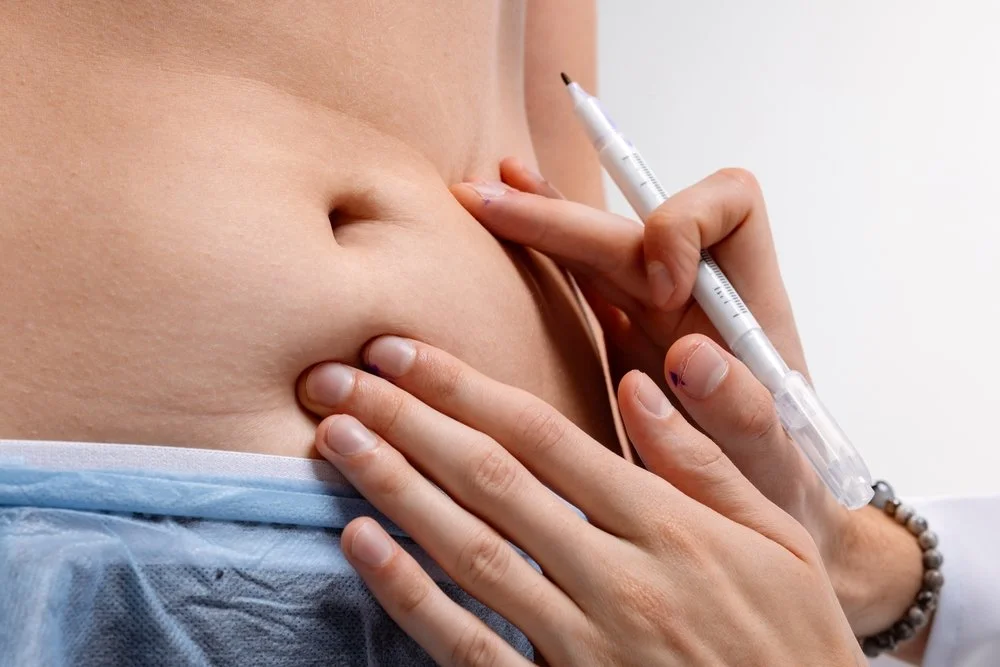
Liposuction remains one of the most popular cosmetic procedures in the South Bay, offering a way to contour the body and remove stubborn fat deposits that diet and exercise just can’t seem to touch. Whether you live right by the pier in Hermosa Beach or up in the hills of Palos Verdes, making the decision to undergo surgery is exciting—but it is only the first half of the journey. The second half, and perhaps the most critical part for your final results, is your recovery.
The post-operative phase determines how smooth your contours will look, how quickly you can return to your beach lifestyle, and how comfortable you feel in your new skin. While your surgeon performs the work, your body has to do the healing. Understanding the recovery process is vital to ensuring your results are everything you hoped for.
In this comprehensive guide, we will walk you through the best post-op recovery tips after liposuction, specifically tailored for our Hermosa Beach and South Bay clients. From managing swelling to the critical role of post-surgery lymphatic massage, we are here to help you navigate your healing journey with confidence.
Understanding the Liposuction Recovery Timeline
Before diving into specific tips, it is important to have realistic expectations about what recovery looks like. Liposuction is less invasive than a tummy tuck, but it is still a significant surgical event. Your body needs time to repair the tissues and adjust to the new contours.
The Immediate Aftermath (Days 1-3)
The first few days are typically the most uncomfortable. You will likely experience soreness, bruising, and significant swelling. Your surgeon will have placed you in a compression garment immediately after surgery. Rest is your priority here. Do not try to be a hero; let your body sleep and heal.
The First Two Weeks
During this phase, the initial pain subsides, but swelling often peaks. This is when many patients feel frustrated because they look "puffy" rather than slim. This is normal. Fluid retention is a natural response to the trauma of surgery. This is also the ideal time to begin your professional recovery therapies.
The First Month and Beyond
By week four, much of the bruising should have faded, and you will start to see the shape emerging. However, "hardening" or fibrosis (lumpiness under the skin) can occur during this time if not managed correctly. Full recovery and the "final reveal" can take anywhere from three to six months as the last bits of residual swelling dissipate.
Top Post-Op Recovery Tips for Optimal Results
Recovering from liposuction requires a proactive approach. Sitting back and waiting isn't enough if you want the smoothest results possible. Here are the expert-recommended strategies for a successful recovery.
1. Prioritize Lymphatic Drainage Massage
This is arguably the most critical tip for liposuction patients. When fat is removed, the cannula disrupts the lymphatic vessels in the area. This disruption, combined with the body’s natural inflammatory response, leads to a buildup of fluid known as edema. Without assistance, this fluid can sit stagnant, leading to prolonged swelling, discomfort, and even fibrosis (hard lumps).
Why it matters:
Manual Lymphatic Drainage (MLD) is a specialized, gentle technique that guides this trapped fluid toward healthy lymph nodes where it can be processed and eliminated. It isn't a traditional deep tissue massage; it is a medical therapy designed to stimulate the lymphatic system without increasing blood flow or causing pain.
For our clients in Hermosa Beach and the surrounding South Bay, we recommend starting MLD sessions as soon as your surgeon clears you—often within the first week post-op. Regular sessions can:
Drastically reduce swelling and bruising.
Prevent the formation of fibrosis and scar tissue.
Alleviate pain and sensitivity.
Speed up the visible results of your surgery.
At Lympha Villa, our medically licensed therapists specialize in post-op care, ensuring that your treatment is safe, effective, and tailored to your specific surgical procedure.
2. Wear Your Compression Garment Religiously
Your surgeon will provide you with a compression faja or garment. It might be uncomfortable, hot, or tight, but it is your best friend during recovery.
The function of compression:
Reduces Swelling: It physically prevents fluid from pooling in the pockets created where fat was removed.
Skin Retraction: It helps your skin adhere to the underlying muscle and tissue, ensuring a smooth contour rather than loose or rippled skin.
Support: It provides physical support to the surgical areas, reducing pain when you move.
Pro Tip: As your swelling goes down, your garment will become loose. You must have it taken in or buy a smaller size to maintain adequate compression. Wearing a loose garment renders it useless.
3. Hydrate, Hydrate, Hydrate
It sounds counterintuitive—drinking water to reduce water retention? Yes. Dehydration signals your body to hold onto fluids. By drinking plenty of water, you flush out toxins and encourage your body to release stored fluids.
Proper hydration is also essential for clearing out the anesthesia and medication from your system. Aim for at least 8-10 glasses of water a day. If you find plain water boring, try infusing it with cucumber, lemon, or mint for a refreshing twist. Avoid alcohol and excessive caffeine, as both can dehydrate you and increase swelling.
4. Move Your Body (Gently)
While rigorous exercise is off the table for several weeks, complete bed rest is not recommended either. Staying completely sedentary increases the risk of blood clots (DVT).
What to do:
Start with short, gentle walks around your house. As you feel stronger, take a leisurely stroll along the Hermosa Beach Strand. The movement of your calf muscles acts as a pump, helping to circulate blood and lymph fluid throughout your body.
What to avoid:
Avoid high-impact activities, heavy lifting, or anything that raises your heart rate significantly until your surgeon gives you the green light. Bouncing or straining can increase swelling and open incisions.
5. Nutrition for Healing
Your body needs fuel to repair tissues. Now is not the time for a restrictive diet, but it is the time for a clean diet.
Protein: Essential for wound healing and tissue repair. Include lean meats, fish, eggs, or plant-based proteins in every meal.
Anti-inflammatory Foods: Berries, leafy greens, nuts, and fatty fish (like salmon) can help combat internal inflammation.
Low Sodium: Salt causes water retention. Avoid processed foods, canned soups, and salty snacks, as these will immediately worsen your post-op swelling.
6. Manage Fibrosis Early
Fibrosis refers to the hardening of tissue or the development of lumps under the skin. It is a common occurrence after liposuction as the body lays down collagen to heal the tunnels made by the cannula.
If you feel hard spots or "ropes" under your skin, do not panic, but do not ignore them. This is where professional care becomes vital. Your lymphatic therapist can use specific techniques to break down these adhesions before they become permanent. Ignoring fibrosis can lead to permanent irregularities in your contour.
7. Avoid tight waistbands (unless it’s your faja)
If you had liposuction on your abdomen or flanks, avoid wearing regular pants or skirts with tight waistbands that cut into your healing tissue. This can create a permanent indentation or "crease" in the fat and skin. Stick to loose, flowing clothing or your dedicated compression garment until you are fully healed.
Why Hermosa Beach Clients Choose Lympha Villa
Recovery is a journey, and you shouldn't have to walk it alone. For residents of Hermosa Beach, Redondo Beach, and Manhattan Beach, finding high-quality, medically sound post-op care is essential.
At Lympha Villa, we pride ourselves on being the South Bay's premier sanctuary for lymphatic health. Unlike standard day spas, our team consists of medically licensed experts, including Occupational Therapists and Certified Lymphedema Therapists. We understand the anatomy of surgery and the physiology of healing.
We don't just "rub" the skin; we perform precise manual techniques to facilitate drainage and healing. We also assist with:
Scar Management: Helping scars heal flat and soft.
Education: Teaching you self-massage and breathing techniques.
Garment Advice: Helping you determine if your compression is fitting correctly.
You can learn more about our specific approach to surgical recovery on our Services page.
The Role of Post-Op Massages in Long-Term Results
Many patients ask, "Is the massage really necessary?" The short answer is: for the best possible cosmetic result, yes.
While your body will eventually heal on its own, the quality of that healing is improved with intervention. Patients who incorporate lymphatic drainage into their recovery plan typically experience:
Smoother Skin: Less rippling and lumpiness.
Faster "Drop": They reach their final size sooner.
Better Sensation: Nerve regeneration is supported, reducing numbness or tingling.
Think of liposuction as sculpting a statue. The surgery is the chiseling, but the post-op care is the sanding and polishing. Without the polishing, the shape is there, but the finish might be rough.
When to Start Your Sessions
Every surgeon has their own protocol, but generally, we see clients starting:
Liposuction Only: 3 to 7 days post-op.
Tummy Tucks / Mommy Makeovers: 1 to 2 weeks post-op (depending on drains).
BBL (Brazilian Butt Lift): 3 to 7 days post-op.
Always consult your surgeon before booking your first appointment. Once you have clearance, you can easily book a session online to secure your spot in our schedule.
Addressing Common Concerns for South Bay Patients
Living in a beach community like Hermosa means you likely want to get back into swimwear as soon as possible. Here are answers to common questions we get from locals:
How soon can I go to the beach?
You should avoid soaking in water (ocean, pool, or hot tub) until all your incisions are fully closed and scabs have fallen off to prevent infection. This usually takes 3-4 weeks. Furthermore, keep your scars out of direct sunlight for at least a year to prevent them from darkening permanently.
Will the massage hurt?
Proper lymphatic drainage should not hurt. It is a light-touch therapy. If you have had "lymphatic massage" elsewhere that was agonizingly painful, it was likely being performed incorrectly or too aggressively for a fresh surgical site. Our therapists prioritize your comfort and safety.
Can I drive to my appointment?
If you are no longer taking prescription pain medication and can move comfortably enough to operate a vehicle safely, you can drive. We are conveniently located in Torrance, a short drive from Hermosa Beach, with ample parking.
Conclusion: Invest in Your Recovery
You have invested time, money, and emotional energy into your liposuction procedure. Don't compromise your results by neglecting the recovery phase. By following these post-op recovery tips and incorporating professional lymphatic drainage, you ensure that your new contours look as smooth and natural as possible.
Recovery is temporary, but your results are long-lasting. Treat your body with patience and care during this transformative time.
If you are ready to accelerate your healing and ensure the best possible outcome for your liposuction, the team at Lympha Villa is here to support you. We invite you to meet our compassionate team of experts and experience the difference medical-grade therapy can make.
Ready to start your recovery journey?
Book your post-op lymphatic massage today and take the first step toward a smoother, faster recovery.
Frequently Asked Questions About Liposuction Recovery
What is the difference between deep tissue massage and lymphatic drainage?
Deep tissue massage targets muscle knots and tension using strong pressure. This is dangerous immediately after liposuction as it can damage fragile tissues and increase bleeding. Lymphatic drainage targets the skin and fluid just beneath it using very light, rhythmic stretching of the skin. It is specific to fluid reduction.
How many sessions will I need?
This varies by patient and the extent of the liposuction. A common protocol is:
Weeks 1-2: 2 to 3 sessions per week to manage acute swelling.
Weeks 3-4: 1 to 2 sessions per week to address hardening/fibrosis.
Month 2+: Maintenance as needed.
Your therapist will create a custom plan for you during your initial assessment.
Why is my swelling worse at night?
Gravity and activity throughout the day cause fluid to accumulate in the lower parts of the body or the surgical sites. This is normal. Wearing your compression garment and elevating your legs when possible can help manage end-of-day swelling.
Can I do lymphatic massage on myself?
While there are self-massage techniques we can teach you for maintenance, the initial post-op phase requires a professional. It is difficult to reach certain areas effectively, and a trained therapist can detect early signs of complications like seromas or infection that you might miss.
Does insurance cover post-op massage?
Typically, post-cosmetic surgery care is considered elective and self-pay. However, Lympha Villa does accept insurance for medically necessary diagnoses like Lymphedema. For cosmetic recovery, we offer transparent pricing and packages. Check our insurance page for more details on coverage types.