

What Happens During a Lymphatic Drainage Session?
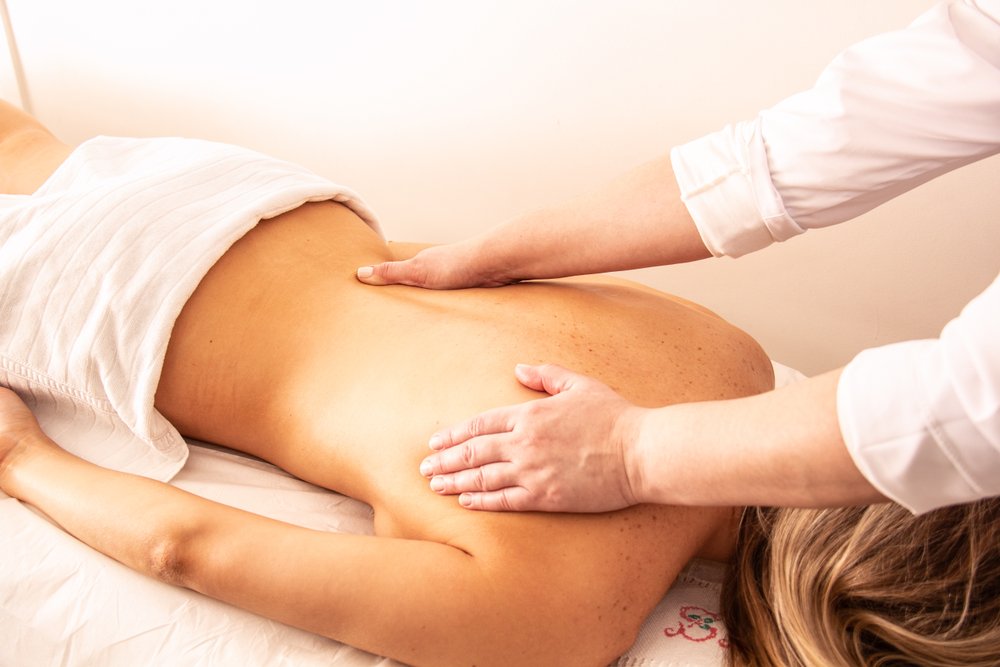
Deciding to book a lymphatic drainage massage is a fantastic step toward supporting your body’s health, whether you’re recovering from surgery, managing a chronic condition, or simply seeking a wellness boost. Yet, for many first-time clients, the process can feel mysterious. What exactly happens behind the closed door of the treatment room? How can such a gentle touch be so effective?
Understanding the step-by-step process can demystify the experience, ease any apprehension, and help you get the most out of your session. This guide will walk you through everything you need to know about a typical lymphatic drainage session at Lympha Villa. We’ll cover what to do before you arrive, what to expect during the treatment, and how to maximize your results afterward. By the end, you’ll have a clear picture of this powerful, restorative therapy.
Before Your Session: Setting the Stage for Success
The effectiveness of your lymphatic drainage massage begins even before you lie down on the table. Proper preparation can enhance the benefits and ensure a smooth, comfortable experience.
Booking and Initial Communication
Your journey starts when you schedule your appointment. This is the perfect time to communicate your primary goals. Are you seeking post-operative recovery support? Are you managing a diagnosed condition like lymphedema? Or are you interested in general wellness and detoxification? Providing this information upfront allows the clinic to match you with the best therapist for your needs and prepare for your specific situation.
When you book with a specialized clinic like Lympha Villa, our team may ask clarifying questions to ensure lymphatic drainage is the right fit for you. We might inquire about recent surgeries, medical conditions, or specific areas of concern. This initial dialogue is a crucial part of our commitment to safe and effective care.
How to Prepare the Day of Your Appointment
On the day of your session, a few simple steps can make a significant difference.
Hydrate, Hydrate, Hydrate
The lymphatic system is all about fluid. Being well-hydrated helps your lymph flow more freely, making the treatment more effective. Aim to drink plenty of water throughout the day leading up to your appointment. Avoid dehydrating beverages like excessive caffeine or alcohol, as they can make the lymphatic fluid thicker and more sluggish. Think of it as priming the pump for a more productive session.
Eat a Light Meal
It’s best to avoid a large, heavy meal right before your massage. A full digestive system can divert your body’s energy and blood flow toward digestion, away from the systemic cleansing that lymphatic drainage promotes. Furthermore, lying on your stomach or back can be uncomfortable if you’re overly full. Opt for a light, nourishing meal or snack an hour or two before you arrive.
Wear Comfortable Clothing
You will be asked to undress to your level of comfort for the massage, and you will be professionally draped with a sheet and blanket throughout the session. Arriving in loose, comfortable clothing makes the process of changing before and after the treatment much more relaxed. Tight, restrictive clothing can constrict lymphatic pathways, so switching back into something soft and loose after your session is also a good idea.
Come with a Clean Canvas
Since lymphatic drainage involves direct skin contact, it's best to arrive with clean skin, free of heavy lotions, oils, or perfumes. Your therapist needs to achieve the right amount of gentle friction to stretch the skin effectively, and thick products can interfere with this.
The Session: A Step-by-Step Breakdown
When you arrive at a clinic like Lympha Villa, you’re entering a space designed for healing and relaxation. From the moment you walk in, our goal is to ensure you feel supported and cared for. Here is what you can expect during the core part of your visit.
Step 1: The Initial Assessment and Consultation
Your session doesn't start with an immediate massage. It begins with a conversation. Your licensed therapist will greet you and guide you to a private treatment room. They will then sit down with you to conduct a thorough intake and assessment. This is one of the most critical parts of the process.
Your therapist will review your health history, discuss your goals for the session, and ask detailed questions about your condition. Be prepared to talk about:
Your primary reason for the visit: Swelling, post-op recovery, pain, sluggishness, etc.
Medical history: Any diagnosed conditions, especially related to your heart, kidneys, or circulation.
Surgery history: The type of surgery, date, and any instructions from your surgeon.
Current symptoms: Where the swelling is located, how it feels (heavy, tight, painful), and what makes it better or worse.
Lifestyle factors: Your activity level, diet, and hydration habits.
Your therapist may also perform a brief physical assessment. This could involve visually inspecting the swollen area, gently palpating the tissue to assess its texture (is it soft and fluid-filled, or hard and fibrotic?), and possibly taking measurements to establish a baseline. This comprehensive assessment allows the therapist to create a personalized treatment plan tailored to your body's specific needs and to ensure the therapy is safe for you. This is your time to ask questions and voice any concerns.
Step 2: Getting Comfortable on the Table
After the consultation, the therapist will leave the room to allow you to undress to your comfort level and get settled on the massage table. You will lie between a fresh sheet and a blanket, ensuring you are warm and securely draped. Only the specific area of the body being worked on will be undraped at any given time. The tables are padded for comfort, and bolsters may be used to support your knees or other joints, ensuring your body is in a relaxed and neutral position.
Step 3: The Opening Sequence - Clearing Central Pathways
A common misconception is that a lymphatic massage starts at the site of the swelling. In reality, a properly performed Manual Lymphatic Drainage (MLD) session begins centrally, away from the affected area. The therapist must first "clear the drains" before trying to move fluid toward them.
Your therapist will typically begin by working on the neck and clavicle area. This is where the lymphatic system returns its filtered fluid to the bloodstream via the subclavian veins. The techniques here are incredibly light and rhythmic, designed to stimulate the deep lymphatic collectors and nodes in this critical junction. By activating these terminal drainage points first, the therapist creates a "vacuum" effect, preparing the entire system to receive more fluid from the periphery.
Step 4: The Body of the Work - Redirecting the Fluid
Once the central pathways are open, the therapist will begin working on the torso and then move toward the area of concern. The process is methodical and follows the anatomical map of the lymphatic system. The core principle of MLD is to move fluid from congested areas toward areas with healthy, functioning lymph nodes.
The Technique in Action
The hallmark of MLD is its unique hand movements. The pressure is feather-light, often described as the weight of a nickel. The motion is a gentle, rhythmic stretching of the skin in a specific direction. Your therapist will use a variety of strokes, often with names like "stationary circles," "pump," and "rotary," applied with flat hands and fingers.
There are two key phases to each stroke:
The Working Phase: The skin is gently stretched to open the initial lymphatic vessels that lie just beneath the surface.
The Resting Phase: The pressure is released, allowing the vessels to refill with interstitial fluid.
This slow, pulsing rhythm mimics the natural contraction of the lymphatic vessels, effectively encouraging them to work more efficiently. It is a profoundly relaxing sensation, and many clients fall asleep during this part of the treatment.
For example, if you have swelling in your leg, the therapist will not start by working on your foot. They will first work on the lymph nodes in the groin (inguinal nodes). Then, they will work on the upper thigh, gently guiding fluid toward the groin. They will progressively work their way down the leg, always moving fluid from a distal area (like the calf) to a more proximal, cleared area (the thigh). This ensures that fluid is never pushed into an already congested zone.
Step 5: Addressing Specific Areas of Concern
If you are recovering from surgery, your therapist will pay special attention to the areas around your incisions. The gentle movements of MLD can help reduce localized swelling, minimize bruising, and prevent the formation of hard, fibrotic scar tissue. The work is always done with extreme care to avoid putting any pressure on the incision itself.
For clients with lymphedema, the therapist will focus on decongesting the affected limb, using precise pathways to redirect lymph toward alternative, healthy drainage routes. This is a highly specialized skill that requires advanced training.
Step 6: The Closing and Integration
As the session winds down, the therapist may perform some gentle, integrative strokes to soothe the nervous system. They will then quietly leave the room, allowing you a few minutes to rest and slowly get up. Rushing off the table can cause dizziness, so take your time.
After Your Session: Extending the Benefits
The work doesn't stop when you leave the clinic. Your post-session care is vital for prolonging the benefits and supporting the detoxification process you’ve just initiated.
Immediately After the Session
You will likely feel deeply relaxed, and some people report feeling "lighter" as if a weight has been lifted. This is a direct result of fluid being moved out of the tissues. It's also common to feel a bit tired as your body processes the waste that has been mobilized.
Continue to Hydrate: This is the most important post-session instruction. Drinking plenty of water helps your kidneys and liver flush out the toxins and metabolic waste that your lymphatic session has stirred up.
Listen to Your Body: If you feel tired, allow yourself to rest. An easy walk can be beneficial to keep the lymph moving, but avoid strenuous exercise for the rest of the day.
Expect Increased Urination: This is a very common and positive sign! It means your body is successfully eliminating the excess fluid and waste that was moved during your session. The color of your urine might also be darker or have a stronger odor, which is also normal.
The Following 24-48 Hours
The benefits of your session will continue to unfold over the next day or two. You may notice a visible reduction in swelling and an improvement in skin tone. Some people experience a surge of energy once the initial tiredness passes.
To support this process:
Engage in Gentle Movement: Activities like walking, stretching, and yoga are excellent for stimulating lymph flow. The contraction of your muscles acts as a natural pump for the lymphatic system.
Practice Deep Breathing: Deep diaphragmatic breathing is another powerful way to move lymph, especially through the body's core. Take a few minutes throughout the day to practice slow, deep belly breaths.
Eat Clean: Support your body’s detoxification efforts by eating whole, unprocessed foods. Avoid heavy, inflammatory foods, sugar, and alcohol.
Follow Personalized Advice: Your therapist will provide you with specific home-care instructions based on your condition. This might include self-massage techniques, recommendations for compression garments, or specific gentle exercises. Adhering to this advice is key to achieving long-term results. The client reviews often highlight how this partnership in care leads to better outcomes.
How Many Sessions Will I Need?
The number of sessions required varies greatly depending on your goals.
For Post-Surgery Recovery: A series of sessions is typically recommended. You might start with 2-3 sessions in the first week post-op, then taper down as the swelling resolves.
For Lymphedema Management: This is often an ongoing process. Your therapist will work with you to create a long-term management plan, which may include regular MLD sessions combined with compression therapy. Our page on insurance and payment options may offer helpful information for medically necessary care.
For General Wellness: A session every 4-6 weeks can be a wonderful way to maintain a healthy lymphatic system and support your body’s overall function.
A lymphatic drainage session is a precise, therapeutic process rooted in a deep understanding of anatomy and physiology. It is far more than just a light massage; it is a targeted intervention to support one of your body’s most vital systems. By preparing properly, understanding the step-by-step process, and following through with after-care, you can unlock the profound benefits of this gentle yet powerful therapy and take a significant step forward on your path to recovery and wellness.