

Lymphedema Care in Hermosa Beach: How Lymphatic Drainage Massage Helps Reduce Swelling
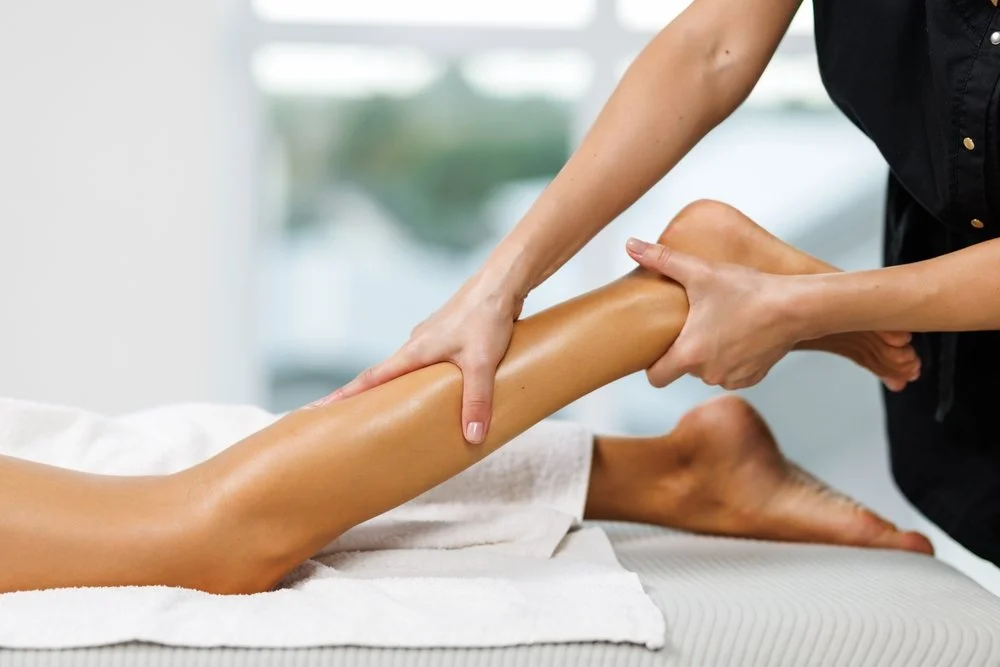
Living with lymphedema presents unique challenges, often impacting daily comfort, mobility, and overall quality of life. The persistent swelling, known as edema, can be frustrating and difficult to manage. For residents in Hermosa Beach and the surrounding South Bay, finding effective, specialized care is crucial. Lymphatic drainage massage offers a powerful, non-invasive solution to manage these symptoms, reduce swelling, and restore a sense of well-being. This comprehensive guide will explore the intricacies of lymphedema, explain the science behind lymphatic drainage massage, and detail how this therapy provides significant relief for those affected.
At Lympha Villa, our medically licensed therapists are dedicated to providing expert lymphedema care. We understand the physical and emotional toll this condition can take. Our goal is to empower you with knowledge and provide a therapeutic pathway to better manage your symptoms and improve your health. We will cover the causes and symptoms of lymphedema, how manual lymphatic drainage (MLD) works, and what you can expect from a treatment plan tailored specifically for you.
Understanding Lymphedema: A Deep Dive into the Condition
Lymphedema is a chronic condition characterized by the accumulation of lymphatic fluid in the body's soft tissues, leading to swelling. This buildup occurs when the lymphatic system is damaged or impaired, preventing it from properly draining lymph fluid. Unlike temporary swelling from an injury, lymphedema is a long-term issue that requires ongoing management.
The lymphatic system is a vital component of both your immune and circulatory systems. It is a complex network of vessels, nodes, and organs that work together to remove waste, toxins, and excess fluid from tissues. When this intricate drainage system is compromised, fluid gets trapped, resulting in the tell-tale swelling of lymphedema, most commonly in the arms or legs.
Primary vs. Secondary Lymphedema: What's the Difference?
Understanding the origin of your lymphedema is key to effective management. The condition is broadly categorized into two types: primary and secondary.
Primary Lymphedema
Primary lymphedema is a rare, inherited condition caused by the improper development of the lymphatic system. The genetic mutations can affect the formation of lymph vessels, causing them to be too few, too large, or inefficient. This type of lymphedema can be present at birth (Milroy's disease), develop during puberty or pregnancy (Lymphedema praecox), or appear after the age of 35 (Lymphedema tarda). The swelling typically begins in the lower extremities and progresses slowly over time. Because it is a congenital disorder, it is a lifelong condition that requires consistent management.
Secondary Lymphedema
Secondary lymphedema is far more common and results from damage or obstruction to an otherwise healthy lymphatic system. An external event or condition disrupts the normal flow of lymph fluid. The leading causes of secondary lymphedema include:
Cancer Treatment: Surgery and radiation for cancer are the most frequent culprits. The removal of lymph nodes (lymphadenectomy) to check for cancer spread, particularly in breast, prostate, or melanoma cancers, can significantly impair lymphatic drainage. Radiation therapy can also cause scarring and damage to lymph nodes and vessels, leading to fluid buildup.
Infection: Severe bacterial or parasitic infections can cause inflammation that damages the lymph vessels. Cellulitis, a common skin infection, can sometimes lead to lymphedema if it is recurrent or severe. In tropical regions, a parasitic infection known as lymphatic filariasis is a major cause.
Trauma or Injury: Significant injuries that involve crushing or severe damage to tissues can harm the lymphatic network. Burns and extensive scarring can also obstruct lymph flow.
Chronic Venous Insufficiency (CVI): When the veins in the legs struggle to send blood back to the heart, pressure can build up. This can overwhelm the lymphatic system, leading to a mixed-edema condition known as phlebolymphedema.
Obesity: Excess body weight puts increased pressure on the lymphatic system, hindering its ability to function efficiently and increasing the risk of developing lymphedema.
Recognizing the Signs and Symptoms of Lymphedema
The symptoms of lymphedema can develop gradually and may be subtle at first. Early detection and intervention are crucial for preventing the condition from progressing. Common signs to watch for include:
Swelling: A feeling of fullness, heaviness, or visible swelling in a part of the body, such as an arm, leg, hand, or foot. This swelling can range from mild and barely noticeable to severe and debilitating.
Aching or Discomfort: The affected limb may feel achy, heavy, or tight. Some people experience a dull, persistent pain.
Restricted Range of Motion: As swelling worsens, it can become difficult to move the joints in the affected limb, impacting flexibility in the wrist, elbow, ankle, or knee.
Skin Changes: The skin over the affected area may feel tight. In later stages, the skin can thicken and harden, a condition known as fibrosis. The skin may also develop a "peau d'orange" (orange peel) texture.
Recurring Infections: The stagnant lymph fluid is rich in protein, creating an environment where bacteria can thrive. This increases the risk of cellulitis, a serious skin infection that requires immediate medical attention.
Pitting Edema: In the early stages, pressing a finger on the swollen area may leave a temporary indent or "pit." As the condition progresses and fibrosis develops, the tissue may become firm and non-pitting.
If you are a resident of Hermosa Beach and experience any of these symptoms, especially after cancer treatment or surgery, seeking a professional evaluation is essential.
How Lymphatic Drainage Massage Works for Lymphedema
Manual Lymphatic Drainage (MLD) is a cornerstone of Complete Decongestive Therapy (CDT), the gold standard for lymphedema management. It is a specialized, gentle form of massage designed to manually stimulate a congested lymphatic system. Unlike deep tissue massage, which targets muscles, MLD uses very light, rhythmic, and precise hand movements to encourage the flow of lymph fluid.
The goal of MLD is not to force fluid out of the tissues but to reroute it around blocked or damaged areas toward healthy lymph nodes that can process it. The therapist uses specific sequences and patterns, applying just enough pressure to stretch the skin and stimulate the superficial lymph vessels located just beneath it.
The Science Behind Manual Lymphatic Drainage (MLD)
A trained therapist understands the map of the lymphatic system. During a session, they first work on clearing the central parts of the body, such as the neck and torso, to create space for fluid to move into from the extremities. This is often described as "emptying the container before filling it."
The therapist then uses a series of gentle, wave-like strokes to guide the excess lymph fluid from the swollen limb toward these cleared areas. The motions are slow and repetitive, which not only helps move the fluid but also has a calming effect on the nervous system. By activating the lymphatic collectors, MLD helps:
Decongest Swollen Tissues: It manually pushes stagnant fluid along the lymphatic pathways.
Reroute Lymph Flow: It redirects fluid around scarred or damaged areas to healthy, functioning lymph nodes.
Soften Fibrotic Tissue: Regular MLD can help break down hardened, fibrotic tissue that develops in later stages of lymphedema, improving skin texture and mobility.
Reduce Pain and Discomfort: By decreasing the pressure from fluid buildup, MLD can alleviate the aching and heaviness associated with lymphedema.
For effective lymphedema care, it is vital to work with a certified lymphedema therapist (CLT). Our team at Lympha Villa includes medically licensed professionals with specialized training from leading institutions, ensuring your treatment is both safe and clinically effective.
Key Benefits of Lymphatic Drainage for Lymphedema Patients
For individuals managing lymphedema in Hermosa Beach, incorporating lymphatic drainage massage into a care plan can lead to significant improvements in quality of life.
Effective Swelling Reduction: The primary and most noticeable benefit is the reduction of swelling. Consistent MLD sessions help manage the volume of the affected limb, preventing it from worsening and sometimes achieving a significant decrease in size. This can make it easier to fit into clothes and shoes and improve body image.
Improved Comfort and Mobility: Less swelling means less pressure on tissues, nerves, and joints. This translates to reduced pain, aching, and feelings of tightness. With decreased limb size and discomfort, individuals often experience an improved range of motion and find it easier to perform daily activities.
Lowered Risk of Infection: By keeping lymph fluid moving, MLD helps prevent the stagnation that can lead to infections like cellulitis. A healthier lymphatic flow supports the immune system's ability to fight off pathogens in the affected area.
Management of Skin Health: Lymphedema can cause significant skin changes. MLD, as part of a comprehensive care plan that includes meticulous skincare, helps maintain the health and integrity of the skin. It can also soften fibrotic tissue, making the skin more pliable and less prone to cracking or injury.
Enhanced Overall Well-being: The gentle, rhythmic nature of MLD is profoundly relaxing. It helps calm the sympathetic nervous system, reducing stress and anxiety. For many, a session is a therapeutic experience for both body and mind, providing a sense of control over a chronic condition.
What to Expect from Lymphedema Care at Lympha Villa
Choosing the right provider is the most critical step in your lymphedema management journey. At Lympha Villa, we specialize in lymphatic health and are dedicated to providing compassionate, expert care to the Hermosa Beach community.
Your Initial Consultation and Assessment
Your first visit begins with a comprehensive assessment. We will take the time to listen to your story, understand your health history, and discuss your specific symptoms and goals. This includes:
Medical History Review: We will review details about your diagnosis, any surgeries or treatments you have had, and other relevant medical conditions.
Physical Examination: We will examine the affected limb, take precise measurements to establish a baseline, and assess your skin condition and tissue texture.
Personalized Treatment Plan: Based on this thorough assessment, we will develop a customized treatment plan. This plan will outline the recommended frequency of your MLD sessions and may include other components of Complete Decongestive Therapy, such as compression bandaging, garment fitting, and therapeutic exercises.
During Your Lymphatic Drainage Session
Your comfort is our priority. During your lymphatic drainage massage session in Hermosa Beach, you will lie on a comfortable treatment table in a serene and private room. Your certified therapist will explain the process and begin the treatment.
The massage itself is very gentle. The therapist will use their hands to apply light, skin-stretching movements in specific patterns. You should not feel any pain; most clients find the experience deeply relaxing and may even fall asleep. The session will focus on clearing central pathways before addressing the swollen limb to ensure the most effective drainage.
Aftercare and Long-Term Management
Lymphedema management is a partnership. After your session, your therapist will provide you with crucial aftercare instructions to maximize the benefits of the treatment. This is a key part of the process and often includes:
Compression Therapy: This is a vital component of lymphedema care. Your therapist may apply multi-layered compression bandages to the limb after the MLD session. These bandages provide sustained, graded pressure to prevent the fluid from returning and help reduce swelling further. We will also guide you on obtaining and using custom-fitted compression garments (sleeves or stockings) for daytime wear.
Therapeutic Exercises: We will teach you specific, gentle exercises designed to be performed while wearing your compression garment. These exercises use the natural pumping action of your muscles to help move lymph fluid out of the limb.
Skincare and Hygiene: We will provide detailed instructions on how to care for the skin on your affected limb to prevent infections. This includes keeping the skin clean, moisturized, and free from cuts or injuries.
Self-Care Education: Empowering you to manage your condition at home is our ultimate goal. We may teach you a simplified version of MLD that you can perform on your own between professional sessions.
The number of sessions required varies for each individual. For intensive treatment, you may need daily sessions for a few weeks, followed by a transition to a maintenance phase with less frequent appointments.
Why Choose Lympha Villa for Lymphedema Care in Hermosa Beach?
When dealing with a medical condition like lymphedema, expertise matters. Lympha Villa is not just a massage clinic; we are a specialized health sanctuary founded by medically licensed therapists who are experts in lymphatic care.
Certified Lymphedema Therapists (CLT): Our team, led by founder Alex Villanueva (OT, CLT), holds the highest level of certification in lymphedema therapy. This specialized training ensures we apply evidence-based techniques with clinical precision and integrity.
A Focus on Compassionate Care: We know that living with a chronic condition can be emotionally taxing. We provide a supportive, understanding, and respectful environment where you can feel safe and cared for.
Holistic and Integrated Approach: We see you as a whole person, not just a condition. Our treatment plans integrate MLD, compression, exercise, and education to provide the most comprehensive care possible.
Convenient South Bay Location: Proudly serving Hermosa Beach, Manhattan Beach, Redondo Beach, and the greater South Bay, our clinic offers a professional and tranquil setting for your healing journey.
Managing lymphedema is a lifelong commitment, but you do not have to do it alone. With the right therapeutic support, you can effectively reduce swelling, minimize discomfort, and live a full and active life. Lymphatic drainage massage is a powerful tool in your wellness arsenal. We invite you to take the first step toward relief.
Contact Lympha Villa today to schedule your consultation and discover how specialized lymphedema care in Hermosa Beach can make a profound difference in your health and well-being.