

Arm Lymphedema After Breast Cancer: What Therapy Can Help
Navigating life after breast cancer treatment is a journey of physical and emotional recovery. While completing treatment is a significant milestone, many survivors face ongoing challenges, one of the most common being arm lymphedema. This chronic swelling can be uncomfortable, affect mobility, and serve as a constant reminder of the cancer journey. Fortunately, specialized therapies are highly effective at managing symptoms and improving quality of life. This guide will explore the connection between breast cancer and arm lymphedema, its symptoms, and the gold-standard treatments that can provide significant relief.
The lymphatic system is your body’s silent hero, a network of vessels and nodes that helps fight infection and drain excess fluid from tissues. Breast cancer treatments, particularly surgery and radiation, can damage this delicate system. When lymph nodes in the armpit (axillary nodes) are removed or damaged, the normal flow of lymphatic fluid from the arm can be disrupted. This disruption causes protein-rich fluid to accumulate in the arm, hand, or chest wall, leading to the persistent swelling known as lymphedema.
Explore our Services tailored for Lymphedema Care
Why Does Breast Cancer Treatment Cause Arm Lymphedema?
Understanding the cause is the first step toward effective management. The risk of developing arm lymphedema is directly linked to the extent of the intervention required to treat breast cancer.
The Impact of Surgery
Surgery is a cornerstone of breast cancer treatment, but it can significantly impact the lymphatic system in the axilla (armpit).
Sentinel Lymph Node Biopsy (SLNB): This procedure involves removing a small number of the first few lymph nodes (the "sentinel" nodes) to which cancer is most likely to spread. While SLNB has a much lower risk than more extensive surgery, it still carries a small chance of disrupting lymphatic pathways and causing lymphedema.
Axillary Lymph Node Dissection (ALND): If cancer is found in the sentinel nodes or is more advanced, a surgeon may perform an ALND, removing a larger number of lymph nodes from the armpit. The removal of these nodes creates a significant disruption in the lymphatic drainage system of the arm, substantially increasing the risk of developing lymphedema. The more nodes removed, the higher the risk.
For details on our post-surgical and oncology-sensitive care, see our Breast Cancer Recovery & Lymphedema Therapy.
The Role of Radiation Therapy
Radiation therapy uses high-energy rays to destroy cancer cells. When aimed at the breast, chest wall, or armpit, it can cause inflammation and scarring (fibrosis) in the surrounding tissues, including the remaining lymph nodes and vessels. This scar tissue can narrow or block the lymphatic pathways, impeding the flow of fluid and contributing to the onset of lymphedema. The risk is often compounded when a patient undergoes both ALND and radiation to the axillary region.
Other Contributing Factors
While surgery and radiation are the primary culprits, other factors can increase a breast cancer survivor's risk for arm lymphedema:
Infection or Injury: Any trauma to the affected arm, such as a cut, burn, or serious infection (like cellulitis), can trigger an inflammatory response that overwhelms the already compromised lymphatic system.
Obesity: Carrying excess weight puts additional strain on the lymphatic system, making it harder for fluid to circulate effectively.
Tumor Recurrence: A recurrent tumor in the axillary area can press on and obstruct lymphatic vessels.
Taxane-based Chemotherapy: Some studies suggest that certain chemotherapy drugs may contribute to fluid retention and increase lymphedema risk.
Recognizing the Signs: Early Symptoms of Arm Lymphedema
Lymphedema often develops gradually. It can appear months or even years after breast cancer treatment has concluded. Catching the symptoms early is critical for successful management and preventing the condition from progressing.
Subtle, Early-Stage Symptoms
In its initial stages, lymphedema might not be obvious. Survivors should be vigilant for these early warning signs:
A Feeling of Fullness or Heaviness: The affected arm may feel achy, heavy, or "full" before any visible swelling is present.
Sensory Changes: Some people report a tingling or "pins and needles" sensation in the arm or hand.
Tightness of Clothing or Jewelry: You might notice that your rings, watch, or shirt sleeves feel tighter on one side, even without noticeable swelling.
Reduced Flexibility: There might be a slight stiffness in the joints of the hand, wrist, or elbow.
Transient Swelling: The swelling may come and go, often worsening throughout the day and improving with overnight rest or elevation. This is known as Stage 1 lymphedema, where the tissue is still soft and may "pit" (leave an indentation when pressed).
More Advanced Symptoms
If left unmanaged, the condition can progress, leading to more significant and permanent changes.
Persistent Swelling: The arm becomes visibly larger, and elevation alone no longer reduces the swelling.
Tissue Changes: The skin may start to feel firm, dense, and spongy. This is Stage 2 lymphedema, where the accumulated protein causes fibrosis (scar tissue) to form under the skin. The tissue no longer pits when pressed.
Skin Thickening and Hardening: In advanced stages (Stage 3), the skin can become very hard, thick, and may develop a warty or cobblestone-like texture.
Increased Risk of Infection: The stagnant fluid is a rich environment for bacteria. The risk of developing cellulitis—a serious skin infection causing redness, warmth, pain, and fever—is significantly higher. Each episode of cellulitis can cause further damage to the lymphatic system.
Axillary Web Syndrome (Cording): Some survivors develop tight, rope-like structures under the skin of the armpit that can extend down the arm. This "cording" can be painful and restrict shoulder and arm movement.
If you are a breast cancer survivor and notice any of these symptoms, it is essential to seek an evaluation from a healthcare provider or a certified lymphedema therapist. For oncology-sensitive therapy options, visit our services page.
The Most Effective Treatment: Complete Decongestive Therapy (CDT)
While there is no cure for lymphedema, the condition can be managed exceptionally well with the right approach. The internationally recognized gold standard for lymphedema treatment is Complete Decongestive Therapy (CDT). This is a comprehensive, non-invasive program administered by a certified lymphedema therapist. CDT involves four key components that work together to reduce swelling and maintain long-term results.
Learn more about our approach to CDT and lymphedema therapy
1. Manual Lymphatic Drainage (MLD)
Manual Lymphatic Drainage is the hands-on foundation of CDT. It is a gentle, precise, and rhythmic skin-stretching technique—not a traditional massage. The goal of MLD for arm lymphedema is to manually reroute trapped fluid around the damaged areas in the armpit and chest.
A certified therapist understands the body's lymphatic "map" and how to redirect flow. The process often starts on the torso and uninvolved areas to clear the central pathways, making room for fluid from the swollen arm to drain. The therapist then uses specific hand movements to guide fluid from the arm and hand toward healthy, functioning lymph nodes in the neck, opposite armpit, or groin. This lymphatic drainage for arms is crucial for reducing limb volume, softening hardened tissue, and relieving the feelings of pain and heaviness.
2. Compression Therapy
After MLD has moved the fluid out of the arm, compression is applied to prevent it from flowing back. This is a critical step for maintaining the gains made during the therapy session.
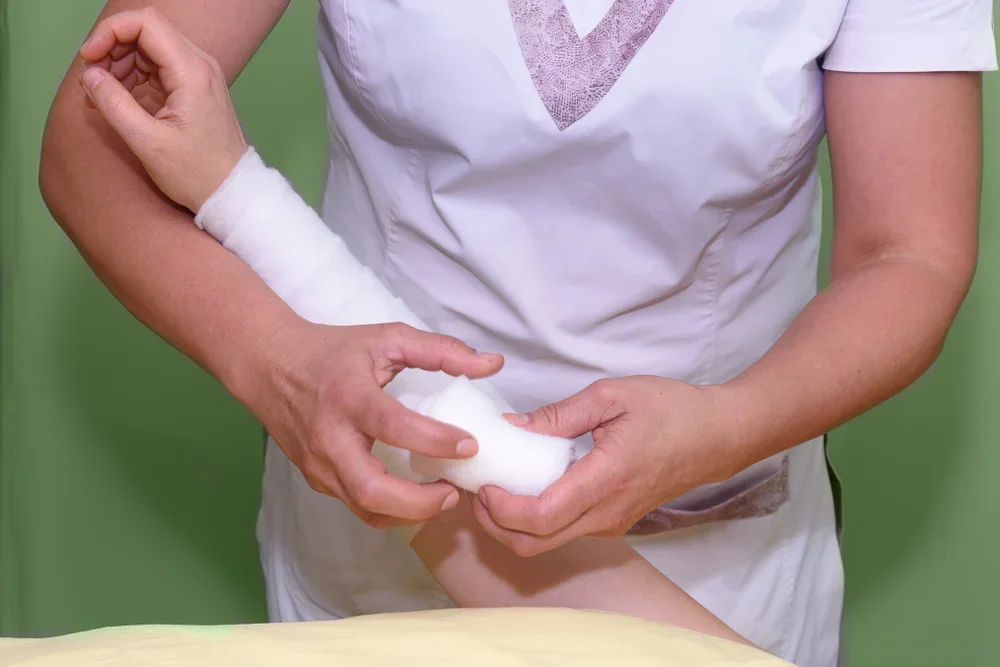
Multi-Layer Compression Bandaging: In the initial, intensive phase of CDT, the therapist applies several layers of short-stretch bandages and padding to the arm. This bandaging system creates a firm external support that provides high pressure when you move your muscles and low pressure when you are at rest. This "muscle-pumping" action against the bandages effectively moves more fluid out of the limb and prevents re-accumulation between therapy sessions. Bandages are typically worn 23 hours a day and reapplied by the therapist after each MLD session.
Compression Garments: Once the arm is decongested to its smallest possible size, the patient is fitted for a medical-grade compression sleeve and sometimes a gauntlet or glove for the hand. These garments provide a specific pressure gradient (firmest at the wrist, decreasing up the arm) to support the lymphatic system and prevent swelling during daily activities. They must be worn every day. Proper fitting by a certified fitter is essential for both comfort and effectiveness.
Want trusted specialists to guide you on compression management? Book your session with Lympha Villa.
3. Decongestive Exercises
Movement is a powerful tool for lymphatic health. The contraction and relaxation of muscles create a natural pump that helps propel lymph fluid through its vessels. A lymphedema therapist will prescribe a specific set of exercises to be performed while wearing compression bandages or garments.
These exercises are typically gentle and focus on activating the arm, shoulder, and chest muscles. They can include:
Shoulder rolls
Hand and wrist circles
Making a gentle fist and releasing
Deep, diaphragmatic breathing to stimulate the large lymphatic ducts in the chest
Performing these simple movements with the external resistance of compression creates a highly effective pumping mechanism, significantly enhancing the drainage of lymphatic fluid.
Discover exercise recommendations and post-care in our services section.
4. Skin and Nail Care
The skin on a lymphedematous arm is vulnerable. The compromised lymphatic system means the local immune response is slower, and the protein-rich fluid is a perfect medium for bacterial growth. A minor cut, insect bite, or ingrown nail can quickly escalate into a severe infection like cellulitis.
A meticulous skin care routine is non-negotiable:
Clean and Dry: Wash the arm and hand daily with a gentle, pH-neutral soap. Pat the skin completely dry, paying close attention to the spaces between fingers.
Moisturize: Apply a low-pH, unscented lotion daily to keep the skin supple and prevent cracks that could allow bacteria to enter.
Protect: Take precautions to avoid any trauma to the arm. Wear gloves for gardening or washing dishes, use sunscreen and insect repellent, and avoid blood draws or injections in the affected arm if possible.
Monitor: Inspect your arm daily for any signs of infection (redness, increased warmth or swelling, pain, fever) and contact your doctor immediately if they appear.
Check our FAQ page for more on infection prevention and home care for sensitive arms.
The Lympha Villa Approach to Breast Cancer Recovery
Managing post-cancer lymphedema requires specialized, compassionate care. At Lympha Villa, our services for breast cancer survivors are designed to address the unique challenges you face. Our medically licensed therapists are experts in oncology-safe protocols and CDT.
Our specialized approach includes:
Manual Rerouting: We use precise MLD techniques to gently guide fluid around damaged or removed lymph nodes, providing immediate relief from heaviness.
Fibrosis Management: For survivors dealing with tightness from radiation, we use hands-on techniques to soften "woody" or scarred tissue in the chest wall and axilla, improving comfort and mobility.
Cording (Axillary Web Syndrome) Relief: Our therapists are trained to address cording with gentle stretching and manual therapy to restore pain-free arm movement.
Compression Guidance: We provide expert advice on the proper selection and fit of post-surgical bras, sleeves, and gauntlets to ensure you have the support you need.
Learn more about our evidence-based and empathetic Breast Cancer Recovery Services.
Long-Term Management and a Proactive Mindset
Living with arm lymphedema is a lifelong journey of management. The goal is to integrate the principles of CDT into your daily life to keep the swelling under control and maintain your arm's function.
Your ongoing self-care plan will include:
Daily Wear of Compression Garments: This is the cornerstone of long-term maintenance.
Daily Exercise: Continue with the decongestive exercises prescribed by your therapist.
Diligent Skin Care: Protect your skin and monitor it closely.
Maintaining a Healthy Weight: A healthy BMI reduces the overall load on your lymphatic system.
Regular Follow-ups: See your lymphedema therapist for regular check-ups to monitor your condition and ensure your compression garments fit properly. Garments lose their elasticity over time and typically need to be replaced every 4-6 months.
By adopting a proactive mindset, you can prevent complications, manage your symptoms effectively, and continue to live a full and active life.
For more long-term guidance, read about maintenance plans and recovery pathways.
Take Control of Your Recovery
A diagnosis of arm lymphedema after breast cancer can feel like another daunting hurdle. However, with the right knowledge and expert therapeutic support, you can take control. Understanding the symptoms allows for early intervention, and embracing the comprehensive approach of Complete Decongestive Therapy provides a proven path to relief.
Your recovery is a priority. If you are experiencing heaviness, swelling, or discomfort in your arm, our team is ready to help you on your path to feeling better. We provide the compassionate, specialized arm lymphedema therapy that breast cancer survivors deserve.
Don't let lymphedema limit your life. Book your session with one of our lymphatic health specialists today and take the next step in your breast cancer recovery journey.