

Lipedema vs Lymphedema: How Therapy Differs
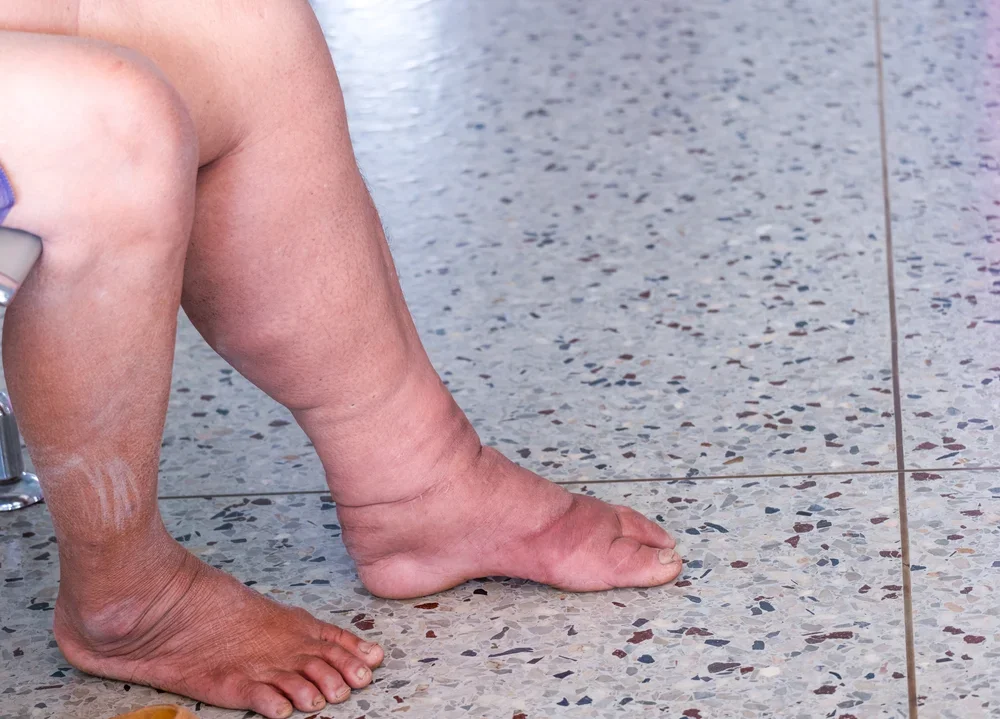
Chronic swelling in the limbs, often accompanied by pain and a feeling of heaviness, can be a confusing and distressing experience. Many people who suffer from these symptoms assume they have lymphedema, a well-known condition involving the lymphatic system. However, another distinct, and often misdiagnosed, condition called lipedema can present with similar signs. While both involve limb enlargement, lipedema and lymphedema are fundamentally different disorders in their cause, presentation, and, most importantly, their treatment.
Distinguishing between the two is crucial for receiving the correct diagnosis and effective care. Lymphedema is a disease of the lymphatic system (the "plumbing"), while lipedema is a disorder of adipose tissue (fat storage). This fundamental difference means that while their therapies may share some tools, the approach and goals are unique. This comprehensive guide will break down the differences between lipedema and lymphedema, explain their unique characteristics, and detail how specialized therapy differs for each condition, empowering you to seek the right help.
What is Lipedema? A Disorder of Adipose Tissue
Lipedema is a chronic and progressive medical condition characterized by a symmetric, bilateral buildup of painful adipose (fat) tissue, almost exclusively in the lower body. It typically affects the legs, thighs, and buttocks, and sometimes the arms, but notably spares the hands and feet. This is not ordinary body fat; it is a distinct, pathological fat that is resistant to diet and exercise.
Lipedema occurs almost exclusively in women and often begins or worsens during times of hormonal change, such as puberty, pregnancy, or menopause. It is believed to have a genetic component, as it often runs in families.
Key Characteristics of Lipedema
Understanding the classic signs of lipedema is the first step in differentiating it from other conditions.
Symmetrical and Bilateral Swelling: The buildup of fat occurs symmetrically in both legs or both arms. If one leg is affected, the other is too, and to a similar degree.
"Stove-Pipe" Legs and Spared Feet: The abnormal fat accumulation stops abruptly at the ankles, creating a distinct "cuff" or "bracelet" effect. The feet remain entirely unaffected and slender in comparison. This is one of the most telling signs of lipedema. Similarly, when arms are affected, the hands are spared.
Pain and Tenderness: The affected areas are often painful to the touch and bruise very easily. Many women with lipedema report a constant, dull ache or feeling of pressure in their legs.
Nodular or "Bean-Bag" Texture: The subcutaneous fat in lipedema feels different from normal fat. In early stages, it may feel soft, but as the condition progresses, it can feel nodular, like small pearls, beans, or a "bean-bag" under the skin.
Resistance to Weight Loss: One of the most frustrating aspects of lipedema is that the affected fat does not respond to caloric restriction or rigorous exercise. A person with lipedema can lose significant weight from their upper body, but the legs will remain disproportionately large.
Negative Stemmer's Sign: A key diagnostic tool, the Stemmer's sign, is negative in pure lipedema. This means it is possible to pinch and lift the skin on the top of the second toe or finger.
What is Lymphedema? A Disease of the Lymphatic System
Lymphedema is a condition caused by a compromised lymphatic system. As a vital part of the immune system, the lymphatic network is responsible for draining excess fluid, waste, and proteins from the body's tissues. When this system is damaged, blocked, or improperly formed, the fluid (called lymph) builds up in the soft tissues, leading to chronic swelling.
Lymphedema can be either primary (caused by a congenital abnormality of the lymphatic system) or secondary (caused by damage from surgery, radiation, trauma, or infection). Unlike lipedema, it can affect men and women, and often presents asymmetrically.
Key Characteristics of Lymphedema
The features of lymphedema are distinct from those of lipedema.
Asymmetrical Swelling: Lymphedema most often affects only one limb. For example, after breast cancer treatment, one arm may swell while the other remains normal. While it can occur in both limbs, the swelling is usually unequal.
Involvement of Hands and Feet: The swelling in lymphedema typically starts in the furthest part of the limb and moves upward. This means the feet or hands are almost always involved. The entire limb, including the digits, can appear puffy.
Pitting Edema (in early stages): In the early stages, pressing a finger into the swollen area will leave a temporary indentation, known as pitting edema.
Positive Stemmer's Sign: A hallmark of lymphedema is a positive Stemmer's sign. It is difficult or impossible to pinch and lift the skin on the top of the second toe or finger because of the fibrotic tissue changes caused by the protein-rich fluid.
History of Lymphatic Damage: Secondary lymphedema is directly linked to an event that damaged the lymphatic system, such as cancer surgery with lymph node removal, radiation therapy, or a severe infection like cellulitis.
Skin Changes: Over time, the high protein content of the stagnant lymph fluid can cause significant skin changes, including thickening, hardening (fibrosis), and an increased risk of recurrent infections.
Lipolymphedema: When the Two Conditions Overlap
To complicate matters, lipedema can progress to a secondary form of lymphedema. In the later stages of lipedema, the excessive volume and inflammatory nature of the lipedema fat can physically compress and overwhelm the lymphatic vessels. The lymphatic system, which was initially healthy, becomes dysfunctional due to the strain. This combined condition is called lipolymphedema.
A person with lipolymphedema will exhibit signs of both disorders: the bilateral, painful fat of lipedema, combined with the pitting edema and positive Stemmer's sign characteristic of lymphedema. The feet, which were once spared, will now begin to swell. Treatment for lipolymphedema must address both the underlying fat disorder and the secondary lymphatic failure.
How Therapy Differs: A Tailored Approach is Key
Because lipedema and lymphedema are different conditions, they require different therapeutic strategies. While both may use Manual Lymphatic Drainage (MLD) and compression, the goals and application of these therapies are distinct. The gold-standard approach for both is a form of decongestive therapy, but the focus varies significantly.
Therapy for Lymphedema: The Goal is Decongestion
The primary goal of Lymphedema Therapy is to manually move stagnant lymphatic fluid out of the limb and prevent its re-accumulation. The established protocol is Complete Decongestive Therapy (CDT), which focuses on fluid management.
1. Manual Lymphatic Drainage (MLD) for Lymphedema
Focus: Fluid Rerouting. A certified lymphedema therapist uses gentle, rhythmic strokes to stimulate lymphatic vessels and manually reroute fluid around the areas of blockage toward healthy, functioning lymph nodes.
Technique: The therapist first clears the central pathways in the torso and neck to "make room" for the fluid from the swollen limb. The work is systematic and follows the body's lymphatic map to guide fluid to a viable exit point.
Outcome: Reduction in the volume of the limb by draining excess fluid. This reduces the size of the limb, relieves tightness, and helps soften fibrotic tissue.
2. Compression for Lymphedema
Focus: Containment and Prevention of Refill. Compression is non-negotiable for lymphedema management.
Technique: In the intensive phase, multi-layer short-stretch bandages are applied to create a firm casing that prevents fluid from returning to the limb after MLD. For long-term management, high-pressure, custom-fit, flat-knit compression garments are essential. These garments are designed to contain swelling and support the "muscle pump" during activity.
Outcome: Maintaining the size reduction achieved in therapy and preventing the progression of the condition.
3. Exercise for Lymphedema
Focus: Activating the Muscle Pump. Gentle, repetitive exercises are performed while wearing compression to stimulate the muscles, which in turn pump lymph fluid through the vessels.
Technique: Exercises include ankle pumps, marching, and deep breathing.
Outcome: Enhanced lymphatic flow and improved drainage.
Therapy for Lipedema: The Goal is Pain Management and Support
Therapy for lipedema, sometimes called Decongestive and Adipose Tissue Therapy (DATT), has different primary objectives. Since the bulk of the limb is composed of pathological fat, not fluid, MLD will not reduce the size of the legs in the same way it does for lymphedema. The focus shifts to managing symptoms, improving tissue health, and preventing progression to lipolymphedema.
1. Manual Lymphatic Drainage (MLD) for Lipedema
Focus: Pain Relief and Inflammation Reduction. While there may be a small fluid component to lipedema swelling (especially at the end of the day), the main benefit of lymphatic drainage for lipedema is pain management. The gentle MLD strokes can have a powerful analgesic effect on the painful fat tissue and help clear inflammatory byproducts.
Technique: The technique is similar to that used for lymphedema, promoting lymphatic flow and circulation. It can help soften the dense, fibrotic texture of the lipedema tissue, making it feel less tight and tender.
Outcome: Significant reduction in pain, tenderness, and feelings of heaviness. While limb volume may not decrease dramatically, the improvement in comfort and quality of life can be profound.
2. Compression for Lipedema
Focus: Support, Pain Reduction, and Shaping. Compression for lipedema serves multiple purposes.
Technique: Patients with lipedema often find standard high-pressure compression garments intolerable due to the painful nature of their tissue. Therefore, lower-grade, ready-to-wear, circular-knit garments or specialized lipedema leggings are often used. These provide support to the tissues, reduce the aching and heavy sensations, and can help prevent the fat from accumulating further. For those with more advanced lipedema or co-existing lipolymphedema, custom flat-knit garments may be necessary.
Outcome: Reduced pain, improved mobility, a feeling of "lightness" in the legs, and support for the tissue to prevent further expansion.
3. Exercise for Lipedema
Focus: Low-Impact Mobility and Lymphatic Stimulation. Exercise is crucial for lipedema management, but it must be joint-friendly due to the excess weight on the lower body.
Technique: Water-based activities like swimming, water aerobics, or simply walking in a pool are ideal. The natural hydrostatic pressure of the water acts as full-body compression, making movement easier and stimulating the lymphatic system without stressing the joints. Other gentle exercises like cycling or yoga are also beneficial.
Outcome: Improved overall health, weight management of the non-lipedema fat, enhanced lymphatic flow, and reduced pain.
The Lympha Villa Advantage: Expert Care for Complex Conditions
Distinguishing between lipedema, lymphedema, and lipolymphedema requires a trained eye and a deep understanding of both conditions. At Lympha Villa, our medically licensed therapists are skilled in diagnosing and treating the full spectrum of lymphatic and fat disorders. Our services are not one-size-fits-all; we create a personalized therapy plan based on your specific condition and symptoms.
Whether you need fluid-focused CDT for lymphedema or pain-focused lipedema therapy, we provide the expert hands-on care required. We understand the nuances—from the right MLD technique to the appropriate compression level—that make therapy effective and comfortable. Our goal is to reduce your symptoms, improve your mobility, and empower you with the tools for successful long-term management.
Taking the First Step Towards the Right Diagnosis
If you are struggling with chronic leg swelling, pain, and heaviness, it's time to get answers. Self-diagnosing can be difficult, and receiving the wrong treatment can be ineffective and discouraging. The key is a professional assessment from a specialist who understands the difference between lipedema and lymphedema.
Living with these conditions can be challenging, but effective management is possible. A correct diagnosis opens the door to a tailored therapeutic approach that can dramatically improve your comfort, mobility, and overall quality of life. Don't continue to suffer in silence or confusion.
Ready to understand the cause of your symptoms and find a path to relief? Book a session with one of our lymphatic and adipose tissue disorder specialists today. Let us help you start your journey toward feeling better.