

Why Skin Care Is Critical for People With Lymphedema
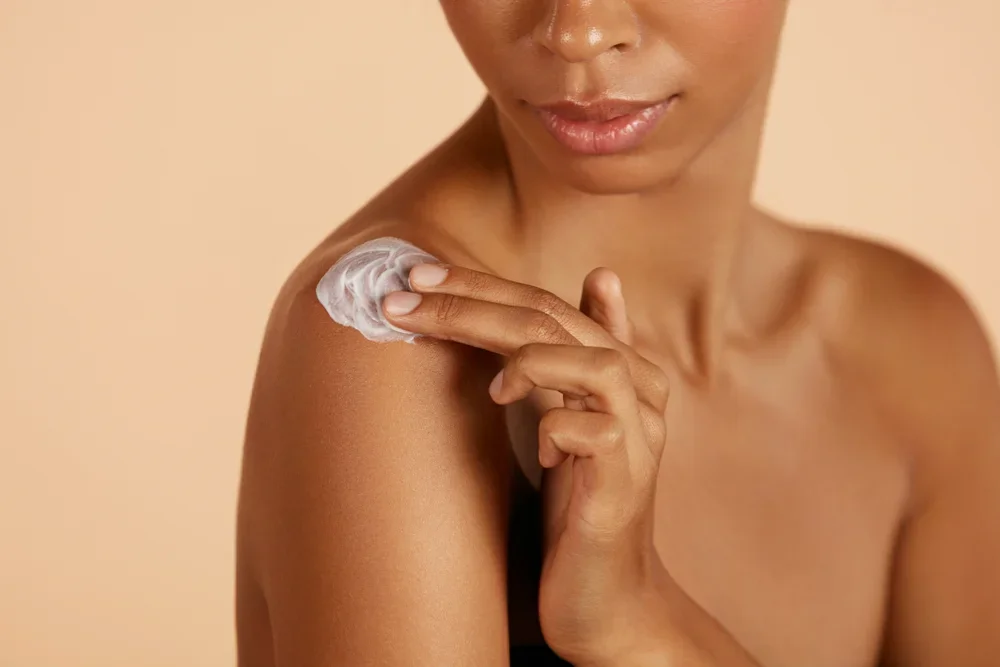
When most people think of "skin care," they imagine luxury facials, anti-aging creams, or the latest 10-step routine trending on social media. It is often viewed as a cosmetic indulgence—something we do to look better or feel pampered.
For someone living with lymphedema, however, skin care is not a luxury. It is a medical necessity. It is the single most important daily defense against hospitalization.
Lymphedema is not just a "swelling problem." It is a condition that fundamentally alters the physiology of your tissues, compromising your body's local immune system. The fluid that accumulates in your limb is protein-rich and stagnant, creating a perfect breeding ground for bacteria. Simultaneously, the swelling stretches the skin, thinning the protective barrier and creating microscopic entry points for infection.
This creates a dangerous paradox: your skin is more vulnerable to bacteria than the average person's, and your body is less capable of fighting those bacteria off once they enter.
In this comprehensive guide, we will explore the critical relationship between the lymphatic system and skin health. We will break down the terrified risks of infections like cellulitis, identify the specific skin changes to watch for, and provide a rigorous, actionable skincare protocol to keep you safe.
At Lympha Villa, we believe that an educated patient is a healthy patient. Understanding why your skin needs special attention is the first step in managing your condition effectively.
The Skin as the First Line of Defense
To understand the stakes, we must first appreciate the role of the skin. Your skin is the largest organ in your body. Its primary job is to act as a physical barrier, keeping essential fluids inside and dangerous pathogens (bacteria, viruses, fungi) outside.
This barrier function relies on a few key elements:
Structural Integrity: The skin must be intact, without cracks or open wounds.
The Acid Mantle: The surface of your skin is slightly acidic (pH 4.5–5.5). This acidity inhibits the growth of harmful bacteria and fungi.
Immune Surveillance: Under normal circumstances, the lymphatic system constantly drains the skin, carrying immune cells that patrol for invaders.
In a healthy limb, if you get a mosquito bite or a paper cut, your lymphatic system immediately flushes the area with white blood cells to kill any entering bacteria. The wound heals, and life goes on.
In a limb affected by lymphedema, this system is broken.
The "Lymph-Skin" Connection: Why Lymphedema Changes Everything
Why exactly is lymphedema skin so different from healthy skin? The answer lies in the composition of the fluid and the mechanics of swelling.
1. The Local Immune Failure
The lymphatic system is the highway for your immune cells. In lymphedema, that highway is blocked or congested. This means that the "police cars" (lymphocytes and macrophages) cannot get to the scene of a crime (a cut or scrape) quickly enough.
This creates a phenomenon called Local Immune Deficiency. Your systemic immune system might be fine—you aren't "immunocompromised" in the general sense—but that specific swollen arm or leg is defenseless. Bacteria that would normally be harmless can suddenly multiply unchecked because the local patrols are missing.
2. The Protein Problem
We often describe lymphedema fluid as "protein-rich." This is critical because bacteria love protein. It is their food source.
When lymph fluid stagnates in the tissue, it acts like a warm, nutrient-dense petri dish. If bacteria manage to breach the skin barrier, they find themselves in an environment perfectly suited for rapid reproduction. This is why infections in lymphedema patients can escalate from "minor redness" to "septic emergency" in a matter of hours.
3. Stretching and Dryness
As the limb swells, the skin stretches. Imagine blowing up a balloon. The rubber gets thinner and tighter the more air you add.
Similarly, as your limb expands, the distance between the skin cells increases. The blood capillaries that supply moisture and oils to the skin surface are pushed further apart. This leads to a breakdown in the natural moisture barrier. Lymphedema skin is notoriously dry, flaky, and itchy.
Dry skin lacks elasticity. Instead of stretching further, it cracks. These microscopic fissures—often too small to see with the naked eye—are wide open doors for bacteria like Streptococcus and Staphylococcus.
The Nightmare Scenario: Cellulitis and Erysipelas
The greatest threat to any lymphedema patient is infection. The medical terms you need to know are Cellulitis (infection of the deeper skin layers) and Erysipelas (infection of the upper layers).
For the general population, cellulitis is painful but treatable. For lymphedema patients, it is a vicious cycle that can permanently worsen the condition.
The Vicious Cycle of Infection
Entry: Bacteria enter through a crack in dry skin, a bug bite, or a cut.
Infection: Because of the protein-rich fluid and slow immune response, bacteria multiply rapidly.
Damage: The infection causes severe inflammation. This inflammation destroys even more lymphatic vessels.
Worsening: After the infection clears, the lymphatic system is more damaged than it was before, leading to more swelling.
Repeat: More swelling leads to more skin stretching, increasing the risk of the next infection.
This is why prevention is the only acceptable strategy. Once the cycle begins, it is incredibly difficult to stop.
Recognizing the Warning Signs
Every lymphedema patient should memorize the signs of cellulitis. If you notice these, it is a medical emergency. Do not wait for your next therapy appointment; go to urgent care or the ER immediately.
Redness (Erythema): A red rash that spreads quickly. It may look blotchy or have a distinct border.
Heat: The affected area feels significantly hotter to the touch than the rest of your body.
Pain: Tenderness or pain that is disproportionate to the appearance of the limb.
Flu-like Symptoms: Fever, chills, nausea, or body aches. These systemic signs mean the infection is spreading.
Swelling Spike: A sudden, unexplained increase in the size of the limb.
Common Skin Changes in Chronic Lymphedema
Beyond infection, chronic swelling causes specific dermatological changes. Recognizing these early allows you to seek professional help at Lympha Villa before they become irreversible.
Hyperkeratosis (Thickening)
When skin is under constant pressure from fluid and inflammation, the body tries to protect itself by thickening the outer layer. The skin becomes rough, scaly, and hard. It may look like elephant skin. This hardened tissue creates deep folds where bacteria and fungi can hide.
Papillomatosis (Warts)
In advanced stages (Stage 3), the pressure in the lymphatic vessels becomes so high that it pushes the skin outward into tiny, wart-like projections called papillomas. These can be small bumps or large, cauliflower-like growths. They leak fluid easily and are very difficult to keep clean.
Lymphorrhea (Weeping)
Sometimes, the pressure inside the limb is greater than the strength of the skin. The fluid literally weeps or leaks out through the pores. The skin will look wet and shiny, or you may notice your bandages or clothes are damp.
Danger: This "weeping" fluid is pure protein. It will dry into a crust that creates a perfect bridge for bacteria to walk right into your body. Lymphorrhea is an urgent issue that requires immediate compression bandaging.
Fungal Infections
Fungus loves warm, moist, dark places. In lymphedema, deep skin folds or the spaces between swollen toes provide this exact environment. A fungal infection (like athlete's foot) breaks down the skin barrier, creating an entry point for the more dangerous bacterial infections.
Your Daily Defense: A Step-by-Step Skincare Routine
Given these risks, skin care cannot be an afterthought. It must be a disciplined, daily ritual. Think of it as brushing your teeth—you wouldn't skip brushing for a week just because your teeth "look fine." You do it to prevent decay. The same applies here.
Here is the gold-standard protocol we recommend for our clients.
1. Inspection: The Daily Scan
You cannot fix what you do not see. Every day, preferably after your shower, inspect your swollen limb.
Use a Mirror: If you have leg lymphedema, use a handheld mirror to check the bottoms of your feet, your heels, and behind your knees.
Spreading the Toes: This is the most common hiding spot for trouble. Check between every single toe for maceration (white, soggy skin), cracks, or fungus.
What to look for: New scratches, bug bites, pink spots, blisters, or ingrown nails.
2. Cleansing: Gentle and Thorough
Cleanliness removes the "bio-load" of bacteria sitting on your skin.
Water Temperature: Use lukewarm water. Hot water strips natural oils and increases blood flow, which can temporarily increase swelling.
The Soap: Avoid harsh, perfumed soaps or antibacterial soaps that can be too drying. Use a pH-balanced, gentle cleanser (like Dove sensitive, Cetaphil, or CeraVe).
Technique: Do not scrub aggressively with rough loofahs, which can cause micro-abrasions. Use a soft washcloth or your hands. Pay special attention to skin folds and between digits.
3. Drying: The Forgotten Art
Leaving skin damp is a recipe for fungal growth.
Pat, Don't Rub: Rubbing vigorously with a towel can irritate compromised skin. Gently pat the area dry.
Focus on the Folds: Make sure skin folds, creases, and toe spaces are completely dry. If you have deep folds, you may need to use a hairdryer on the "cool" setting to ensure no moisture remains.
4. Moisturizing: Restoring the Acid Mantle
This is the most critical step. You must replace the moisture that the swelling has stripped away.
Timing: Apply lotion immediately after drying off, while the pores are still open.
The Product: Use a low-pH lotion (around 5.0-5.5). Eucerin, Lubriderm, or specialized lymphedema lotions are excellent. Avoid lotions with heavy perfumes or alcohol.
Application: Apply in the direction of hair growth. Vigorously rubbing up and down can cause folliculitis (inflammation of the hair follicle), which is another infection risk.
Exceptions: Never put lotion between your toes. The toes need to stay dry to prevent fungus. Lotion there creates a soggy environment.
5. Nail Care
Ingrown toenails or hangnails are common entry points for cellulitis.
Cutting: Cut nails straight across, not rounded at the corners.
Cuticles: Never cut your cuticles. Push them back gently with a washcloth. Cutting cuticles breaks the seal between the nail and skin, inviting bacteria in.
Professional Help: If you cannot reach your feet or have poor vision, see a podiatrist. Do not risk a nick by doing it yourself.
Special Considerations for Summer and Outdoors
The world is full of skin hazards, and lymphedema patients must navigate them with extra caution.
Sunburns
A bad sunburn causes inflammation. Inflammation brings more fluid to the area.
The Risk: Sunburned skin is damaged skin. It blisters and peels, destroying your protective barrier. The heat also dilates blood vessels, increasing swelling load.
The Fix: Use high SPF (50+) sunscreen liberally. Wear protective clothing. If you do get burned, treat it immediately with aloe and hydration, and monitor for infection.
Insect Bites
A mosquito bite is annoying for most; for you, it is a breach of security.
The Risk: The bite injects foreign protein (histamine response), causing itching. Scratching the itch breaks the skin.
The Fix: Wear bug spray when outdoors. If bitten, do not scratch. Apply a hydrocortisone cream to stop the itch and cover the bite with a bandage to remind yourself not to touch it.
Gardening and Pets
Gardening: Soil is full of bacteria and fungus. Rose thorns are notorious for causing serious infections. Always wear thick, protective gloves and long sleeves.
Pets: Cat scratches contain bacteria highly dangerous to lymphedema limbs. Keep pet nails trimmed. If scratched, wash immediately with soap and water and apply antibiotic ointment.
Medical Procedures: The "No Needle" Rule
One of the cardinal rules of lymphedema management is protecting the "at-risk" limb from medical trauma.
If you have lymphedema in your left arm:
No Blood Pressure Cuffs: The squeezing pressure can damage fragile vessels.
No Needles: No blood draws, IVs, or vaccines in that arm. A needle puncture is a direct tunnel for bacteria.
No Acupuncture: Unless performed by a specialist who understands lymphedema anatomy.
You should wear a medical alert bracelet indicating "Lymphedema Alert: No BP/Needles in Left Arm." You must be your own advocate in medical settings.
How Professional Lymphedema Therapy Protects Your Skin
While home care is essential, professional Complete Decongestive Therapy (CDT) is the best way to improve the overall health of your skin. The therapy we offer at Lympha Villa doesn't just reduce size; it restores skin integrity.
Reducing the Stretch
By reducing the volume of the limb through Manual Lymphatic Drainage (MLD) and compression bandaging, we reduce the tension on the skin. When the skin is no longer stretched to its limit, blood capillaries move closer together again. This improves the oxygen and nutrient supply to the epidermis, allowing it to heal and thicken.
Improving Local Immunity
Stagnant fluid is immune-deficient. MLD actively moves that old, stale fluid out and encourages fresh, nutrient-rich lymph fluid to enter the area. This flushes out toxins and brings fresh immune cells to the skin, restoring some of your local defense capability.
Managing Fibrosis
Our therapists are trained to identify and treat skin thickening (fibrosis). We use specialized textured foam pads and manual techniques to break down hard tissue, softening the skin and eliminating the deep crevices where bacteria hide.
If you are noticing skin changes—hardening, discoloration, or weeping—it is time to book a session. These are signs that your lymphedema is progressing, and skin care alone may not be enough.
Check our availability for an assessment here: Book a Session.
Emergency Protocol: What to Do If You Suspect Infection
Despite your best efforts, infections can happen. Having a plan in place reduces panic and speed up treatment.
Mark the Area: If you see a red patch, take a pen and draw a circle around the border of the redness. Write the time next to it.
Monitor: Check it again in 2 hours. If the redness has moved past the line, the infection is spreading aggressively.
Seek Care: Go to the doctor immediately. Do not wait until morning.
Advocate: Tell the ER doctor, "I have lymphedema in this limb. This looks like cellulitis. I am at high risk for rapid sepsis."
Antibiotics: You will likely need antibiotics. Many lymphedema specialists recommend keeping a "standby" prescription of antibiotics on hand for travel or weekends when doctors aren't available. Ask your physician about this.
Stop Drainage: Do NOT perform manual lymphatic drainage or wear tight compression while the infection is active and you have a fever. Pumping an infected limb can spread the bacteria into your bloodstream (sepsis). Wait until you have been on antibiotics for 24-48 hours and the fever is gone before resuming therapy.
Conclusion: Skin Care Is Self-Care
Living with lymphedema requires a shift in mindset. You have to view your skin not just as a covering, but as a vital shield that requires constant maintenance.
It can feel overwhelming at first—the inspecting, the washing, the lotioning. But these steps quickly become habit, just like putting on a seatbelt. And the payoff is immense. By maintaining healthy, intact skin, you drastically reduce your risk of cellulitis, prevent hospitalization, and keep your lymphedema manageable.
Don't wait for a crisis to start caring for your skin. Start today. Look at your limb, check your toes, apply your lotion.
And if you need help getting your swelling under control so your skin can heal, we are here for you.
At Lympha Villa, we specialize in the comprehensive care of the lymphatic system. From reducing swelling to educating you on infection prevention, our goal is to help you live fearlessly.
Learn more about our skin-focused therapies: Lympha Villa Services
Start your journey to healthier skin: Book Your Session Now
Your skin protects you. Make sure you return the favor.