

Is Lymphedema Therapy Painful? A Patient’s Guide
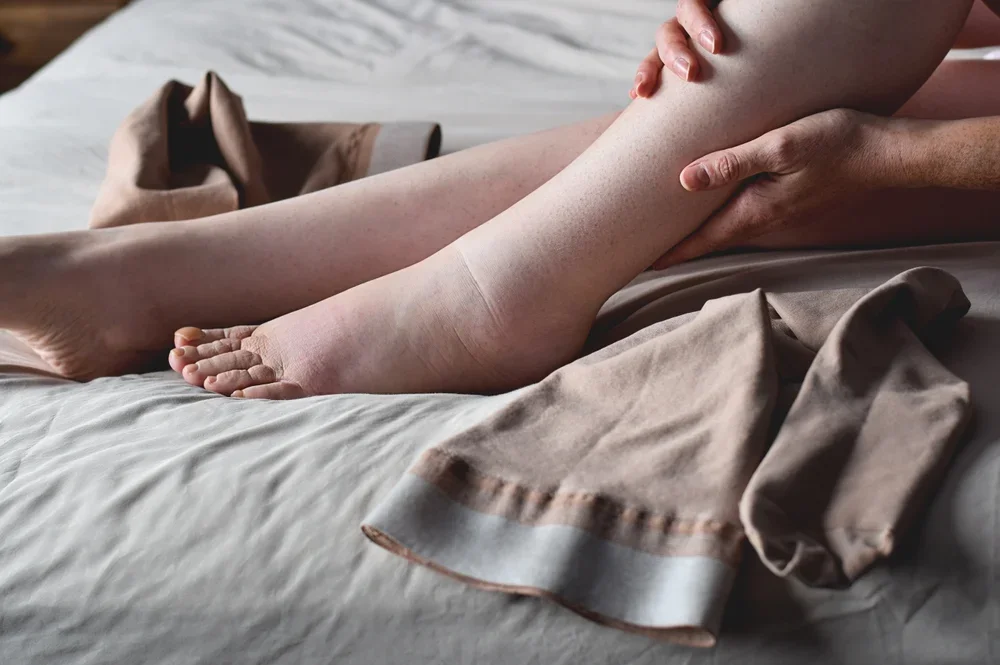
Pain is a powerful deterrent. When your body is already uncomfortable—when your arm feels heavy, your leg feels tight, or your skin feels stretched to its limit—the last thing you want to do is sign up for a treatment that might add to that pain.
If you have been diagnosed with lymphedema or are recovering from surgery, you might be hesitant to book a therapy session. Perhaps you have had a deep tissue massage in the past that left you sore for days. Maybe you are imagining medical machines or aggressive squeezing. It is completely natural to ask: Is lymphedema therapy painful?
At Lympha Villa, this is one of the most common fears we hear from new patients. And it is the one we are happiest to alleviate.
The short answer is no. Lymphedema therapy, when performed correctly by a certified professional, should never be painful. In fact, for most patients, it is one of the most relaxing, soothing experiences they can have.
In this comprehensive guide, we are going to debunk the myths surrounding the "pain" of lymphedema therapy. We will walk you through exactly what the treatment feels like, why it is so gentle, and how it actually works to reduce the pain you are currently feeling.
The Fear of the Unknown: Why We Expect Pain
Why do we assume medical treatments have to hurt to work? There is a prevailing "no pain, no gain" mentality in our culture, especially when it comes to physical therapy or bodywork. We often associate healing with aggressive intervention—scraping, cracking, or deep pressure.
Furthermore, lymphedema itself can be painful. The condition causes:
Deep aching from fluid pressure.
Burning sensations from nerve compression.
Tightness from skin stretching.
When you are living with this baseline of discomfort, the idea of someone touching the affected area can be scary. You might worry that any pressure will aggravate the tenderness.
However, lymphedema therapy—specifically Manual Lymphatic Drainage (MLD)—is the antithesis of "no pain, no gain." It is a therapy of subtlety. It works with your body’s natural rhythms, not against them.
The Sensation of Manual Lymphatic Drainage (MLD)
To understand why it doesn't hurt, you have to understand what we are actually doing.
The "Nickel" Weight
The lymphatic capillaries—the tiny vessels that pick up fluid from your tissues—are located just underneath the epidermis. They are hair-thin and fragile. If a therapist were to use the pressure of a standard Swedish massage or Deep Tissue massage, they would collapse these vessels flat. Think of stepping on a garden hose; the water stops flowing.
For MLD to be effective, the pressure must be light enough to stretch the skin without collapsing the vessel underneath. Therapists often describe this pressure as the weight of a nickel resting on the skin.
What It Feels Like
Patients often struggle to describe the sensation because it is unlike any other massage they have had. Common descriptions include:
"Wave-like": The strokes are rhythmic and repetitive.
"Hypnotic": The slow pace often lulls patients to sleep.
"Soothing": It feels like a gentle skin stretch rather than a muscle rub.
"Light": Many patients initially wonder, Is this even doing anything? because it is so feather-light.
What It Should NEVER Feel Like
If you are experiencing any of the following during a lymphedema therapy session, something is wrong:
Sharp pain
Deep muscle soreness
Bruising sensations
Pinching
Grinding
If you feel pain, speak up immediately. A certified lymphedema therapist will adjust their technique instantly. Our goal at Lympha Villa is to provide a sanctuary where your body can heal, not a place where it has to endure more trauma.
Why the Therapy Is So Gentle (The Science)
The gentleness of the therapy isn't just for comfort; it is a physiological necessity.
The Anchor Filaments
Your initial lymph vessels have tiny structures called "anchor filaments." These filaments connect the vessel to the surrounding tissue. When we gently stretch the skin, we pull on these filaments. This pulls open the "trap doors" (endothelial junctions) of the lymph vessel, allowing fluid to rush in.
Gentle Stretch: Opens the door.
Deep Pressure: Smashes the door shut.
Therefore, the lighter the touch, often the more effective the drainage. We are manually pumping fluid into the vessels and guiding it toward healthy lymph nodes.
The Nervous System Connection
Pain causes stress. Stress causes your sympathetic nervous system (fight or flight) to activate. When you are in "fight or flight" mode, your vessels constrict, and your body holds onto fluid.
By using a slow, rhythmic, painless touch, we activate the parasympathetic nervous system (rest and digest). This relaxation response actually causes the lymph vessels to dilate and pump more effectively. So, by ensuring the therapy is painless and relaxing, we are actually making it more medically effective.
Addressing Specific Pain Points
While the massage itself is painless, lymphedema patients often have specific areas of concern. Let’s address how we handle these sensitive spots.
1. Fibrosis (Hardened Tissue)
If you have areas where the fluid has turned into hard scar tissue (fibrosis), the tissue can feel tender.
The Approach: We do use slightly different techniques for fibrosis that might feel deeper or more like kneading.
The Sensation: This should feel like a "good hurt" or a deep stretch, never sharp pain. We work slowly to soften the tissue layer by layer. If it becomes uncomfortable, we back off.
2. Cording (Axillary Web Syndrome)
Breast cancer survivors often develop "cords"—tight, rope-like structures under the armpit that restrict movement and can be quite painful.
The Approach: Treating cording involves gentle stretching and specific release techniques.
The Sensation: You may feel a stretching sensation or a "pop" (which is painless) as the cord releases. While the cord itself is painful, the therapy to fix it brings immense relief.
3. Post-Surgical Incisions
For our post-op patients recovering from tummy tucks or liposuction, the incision sites and bruised areas are hypersensitive.
The Approach: We never massage directly over a fresh, open incision. We work around the surgical site to drain the fluid away from it. This reduces the pressure on the incision, actually reducing pain.
The Sensation: Patients are often terrified to be touched after surgery, but once we start, the relief is visible on their faces. Moving the inflammatory fluid away from the bruised tissue takes the "sting" out of the recovery.
The Only "Uncomfortable" Part: Bandaging
While Manual Lymphatic Drainage is pure bliss, the other component of Complete Decongestive Therapy—compression bandaging—can take some getting used to. We want to be honest about this part so your expectations are managed.
The "Mummy" Feeling
During the intensive phase of treatment, we may wrap the limb in multi-layer short-stretch bandages.
Is it painful? No. It should never cut off circulation or cause pain.
Is it comfortable? It can feel bulky, stiff, and warm. Some patients find it annoying or restrictive. It can make bending your elbow or knee difficult.
The Adjustment: Most patients get used to the sensation after a day or two. In fact, many begin to crave the bandages because the support makes the limb feel so much lighter and secure.
If your bandages ever cause pain, tingling, numbness, or blue fingers/toes, remove them immediately. That is not normal. Correctly applied bandages should feel like a firm, supportive hug, not a tourniquet.
How Therapy Actually Reduces Your Pain
We have established that the therapy doesn't cause pain. But the more important point is that it is a powerful pain reliever.
Chronic swelling is physically painful. Here is how therapy helps alleviate that suffering:
1. Relieving Pressure on Nerves
When fluid accumulates in your tissues, it takes up space. It presses against your nerves, blood vessels, and muscles. This constant pressure is what causes the deep ache or burning sensation associated with lymphedema.
The Relief: By draining the fluid, we decompress the tissue. It is like letting air out of an over-inflated balloon. The pressure on the nerves vanishes, and the pain subsides.
2. Reducing Inflammation
Lymphedema fluid is full of inflammatory chemicals (cytokines). When this fluid sits stagnant in your tissues, it creates a chronic inflammatory state that sensitizes your pain receptors.
The Relief: MLD flushes these inflammatory mediators out of the tissue and back into the circulation where they can be processed. This "cleans" the tissue environment, reducing soreness and sensitivity.
3. Improving Joint Mobility
A swollen knee or elbow is mechanically hard to bend. The skin is tight, and the joint capsule is boggy. Trying to force movement causes pain.
The Relief: As the fluid volume decreases, the joint is liberated. You can move freely without the resistance of the swelling, eliminating movement-related pain.
4. Preventing Infection Pain
Infections like cellulitis are excruciatingly painful. By keeping the fluid moving and the immune system local to the limb functioning better, therapy prevents these painful infections from taking hold.
Patient Stories: From Fear to Relief
Don't just take our word for it. Here is what we typically hear from patients at Lympha Villa.
The Skeptic:
"I was so scared to come in because my arm was so tender to the touch. I thought anyone touching it would make me cry. But the therapist was so gentle. I actually fell asleep on the table! When I woke up, the throbbing was gone for the first time in months."
The Post-Op Patient:
"After my lipo, I felt like I had been hit by a truck. I was bruised and sore. I dreaded my first massage. But it wasn't a massage like I thought—it was this gentle draining motion. I walked out standing straighter and with half the pain I walked in with."
The Chronic Sufferer:
"I've lived with heavy legs for years. The heaviness was a constant, dull pain. The bandages are a bit of a hassle, I admit, but the relief of taking them off and seeing my ankles again? Totally worth it. My legs don't ache at night anymore."
What If It Does Hurt?
While rare, there are instances where a patient might experience discomfort. It is important to troubleshoot this with your therapist.
1. "It hurts during the massage."
Cause: The therapist might be using too much pressure, or they might be working over a hypersensitive area (like a nerve entrapment).
Solution: Speak up immediately. We can adjust the pressure, change the angle, or move to a different area. You are in control of the session.
2. "I'm sore the next day."
Cause: Sometimes, moving a large volume of toxins and fluid can cause a "detox" response. You might feel flu-like symptoms, fatigue, or mild muscle soreness, similar to after a workout.
Solution: This is usually temporary and resolves quickly. Drink plenty of water to flush the system. If it persists, let us know before your next session.
3. "The compression hurts."
Cause: The garment might be too small, bunched up, or the wrong shape for your limb.
Solution: Do not suffer in silence. Bring the garment to us. We can check the fit, recommend a different brand, or switch to a custom flat-knit garment that bridges over sensitive areas better.
Emotional Safety: A Sanctuary for Healing
Pain isn't just physical; it is emotional. Dealing with a changing body, surgical scars, or a chronic diagnosis carries a heavy emotional toll. The fear of being touched or seen can be just as paralyzing as physical pain.
At Lympha Villa, we understand this deeply. Our clinic is designed to be a sanctuary.
Privacy: All treatments happen in private, serene rooms.
Modesty: We use proper draping techniques so only the area being worked on is exposed. You never have to feel exposed or vulnerable.
Compassion: Our therapists are medically licensed experts who see bodies of all shapes, sizes, and stages of healing every day. There is no judgment here, only care.
We move at your pace. If you need a break, we take a break. If you need to talk through your fears, we listen.
Conclusion: A Therapy That Heals Without Hurting
If you have been putting off lymphedema therapy because you are afraid it will hurt, we hope this guide has offered you some reassurance.
Lymphedema therapy is unique in the medical world. It is a highly effective clinical intervention that feels like a spa treatment. It is a rare moment where medicine is gentle, quiet, and soothing.
You do not have to live with the pain of swelling. You do not have to accept heaviness as your new normal. And you certainly do not have to endure more pain to get better.
Your journey to relief starts with a gentle touch.
Ready to experience pain-free relief?
Don't let fear hold you back. Book a session with our compassionate team today and discover how gentle healing can be. Visit our Services page to learn more about our specialized approach to your care.