

Why Compression Garments Alone Are Often Not Enough
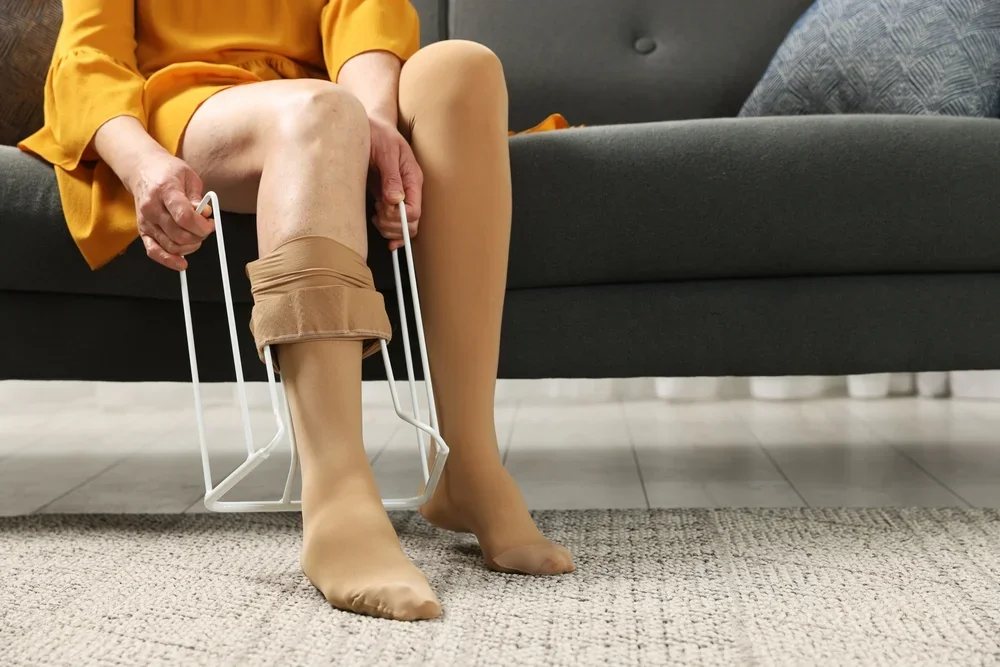
For anyone managing lymphedema, recovering from surgery, or dealing with chronic swelling, compression garments often feel like a lifeline. These specialized sleeves, stockings, and wraps are essential tools for managing fluid buildup and providing support. Many doctors and therapists rightly prescribe them as a cornerstone of care. However, relying on them exclusively is like trying to keep a boat from sinking by only bailing out water, without ever plugging the leak.
Compression garments are brilliant at what they do: they contain swelling and prevent fluid from re-accumulating in a limb or body area. They act as a constant, gentle squeeze that supports your tissues and improves circulation. But they are fundamentally a passive tool. They manage the symptom—the swelling—but they don't fully address the underlying cause, which is a congested or compromised lymphatic system.
Think of your lymphatic system as a network of drains. When the drains are clogged, fluid backs up. A compression garment is like putting a tight lid on the overflowing sink; it keeps the water from spilling onto the floor, but it doesn't clear the blockage in the pipes. To truly manage lymphatic issues effectively, you need a more comprehensive approach. This involves actively moving the stagnant fluid out of the congested area first.
At Lympha Villa, we see clients who have diligently worn their compression garments for months or even years, yet still struggle with persistent swelling, hardness, and discomfort. Their experience highlights a critical truth: for lasting relief and optimal lymphatic health, compression must be paired with active treatment. This is where professional, hands-on therapy becomes indispensable.
Understanding the Role of Compression Garments
Before we explore why compression isn't a standalone solution, it's vital to appreciate what these garments do and why they are so important. They are a critical component of any effective lymphedema management or post-surgical recovery plan.
How Compression Works
Compression garments apply graduated pressure to a limb or body part. This means the pressure is strongest at the point furthest from the center of the body (like the ankle or wrist) and gradually decreases as it moves upward. This design helps push fluid back toward the trunk, where it can be processed and eliminated.
The primary functions of compression are:
Containing Swelling: The external pressure prevents excess fluid from pooling in the tissues.
Improving Venous and Lymphatic Return: The squeeze supports the natural pumping action of muscles against veins and lymphatic vessels, enhancing fluid flow.
Softening Hardened Tissue: Consistent pressure can help break down fibrotic or hardened tissue that often develops in chronic lymphedema.
Reducing Pain and Discomfort: By limiting swelling, compression can alleviate the heavy, aching sensation associated with fluid buildup.
These garments come in various forms, from over-the-counter stockings for mild swelling to custom-fitted, high-pressure garments for advanced lymphedema. For post-surgical patients, specialized binders and wraps help control swelling after procedures like tummy tucks or liposuction.
The Limitation: A Passive Containment Strategy
The key limitation is in the garment's passive nature. It excels at holding the line and preventing things from getting worse, but it has limited ability to actively reduce existing, significant swelling. If a limb is already full of stagnant, protein-rich lymph fluid, simply squeezing it is not enough to clear that fluid out. The "drainage" part of the equation is missing. This is why many people find that while their garment keeps their swelling from increasing during the day, the limb remains persistently swollen and heavy.
The Missing Piece: Manual Decongestion of the Lymphatic System
If compression is the containment crew, then manual therapy is the specialized engineering team that clears the blockage. The most effective way to reduce the volume of a swollen limb or area is to physically and manually move the fluid out first. This is achieved through Complete Decongestive Therapy (CDT), with Manual Lymph Drainage (MLD) as its central component.
What is Manual Lymph Drainage (MLD)?
Manual Lymph Drainage is a gentle, hands-on technique performed by a certified lymphedema therapist. It is not a deep-tissue massage. The goal of MLD is to stimulate and redirect the flow of lymphatic fluid. A therapist uses light, rhythmic strokes to stretch the skin and activate the superficial lymphatic vessels.
The process is strategic and systematic:
Clearing Central Pathways: The therapist begins by stimulating the major lymph node clusters in the neck, armpits, and groin—the primary "drains" of the body. This prepares them to receive more fluid.
Rerouting Fluid: The therapist then uses specific sequences to manually guide stagnant fluid from the swollen area toward these cleared, healthy lymph nodes.
This active decongestion is what creates the space for a compression garment to be truly effective. By first emptying the limb of as much fluid as possible, the garment can then do its job of preventing it from refilling.
Why MLD is Crucial for Effective Compression
Imagine trying to put on a tight pair of jeans after a large meal. It’s a struggle. Now, imagine putting on those same jeans in the morning. It’s much easier. The same principle applies to compression garments.
Creates a Better Fit: Applying a compression garment to a limb that has been decongested through MLD ensures a proper fit. A garment put on a heavily swollen limb might be too tight in some areas and too loose in others, leading to discomfort and ineffective compression.
Maximizes Volume Reduction: MLD physically reduces the volume of the limb. The compression garment then helps maintain that new, smaller size. Without the initial reduction, you are simply compressing an already swollen limb, not truly decongesting it.
Addresses Fibrosis and Hardness: Chronic lymphedema leads to the accumulation of proteins and other waste products in the tissues, causing them to become hard and fibrotic. MLD techniques can help break down this fibrosis, softening the tissue. A compression garment alone has a much harder time reversing this hardness.
Prevents the Rebound Effect: Many people notice that when they take their garment off at night, the swelling quickly returns. This is because the underlying congestion was never fully cleared. Regular MLD helps to empty the area more thoroughly, so the rebound effect is less dramatic.
For anyone seeking effective lymphedema management, our specialized Lymphedema Therapy programs integrate MLD and compression for comprehensive results.
The Synergy of a Comprehensive Care Plan
The gold standard for managing moderate to severe lymphedema is Complete Decongestive Therapy (CDT). This multi-faceted approach demonstrates why relying on a single tool is insufficient. Compression garments are just one part of this holistic strategy.
CDT has two phases: an intensive phase and a maintenance phase.
Phase 1: The Intensive Decongestive Phase
The goal of this phase is to reduce the swelling as much as possible. This is where a therapist's intervention is most critical. This phase typically involves:
Manual Lymph Drainage (MLD): Performed daily or several times a week to decongest the limb.
Compression Bandaging: After MLD, the therapist applies multi-layered compression bandages, not a standard garment. These bandages are low-stretch and provide high working pressure, meaning they resist muscle movement to create a powerful pumping action that moves fluid out of the limb. They are worn 23 hours a day and reapplied after each MLD session.
Decongestive Exercises: The client performs specific exercises while wearing the compression bandages. The muscle contractions against the firm resistance of the bandages dramatically increase lymphatic flow.
Meticulous Skin and Nail Care: Lymphedema makes the skin fragile and prone to infection. This component focuses on keeping the skin clean, moisturized, and free from any breaks that could lead to cellulitis, a serious bacterial infection.
This intensive phase can last for several weeks. Only after the limb has been reduced to its smallest possible size is the client measured and fitted for a compression garment.
Phase 2: The Maintenance Phase
Once the limb is decongested, the goal shifts to maintaining the results. This is where compression garments become the star player. The maintenance phase is a lifelong commitment and includes:
Daytime Compression Garments: The client wears a professionally fitted compression garment every day.
Nighttime Compression: Depending on the severity, a different type of compression (often a bulkier foam garment or multi-layered bandaging) may be worn at night.
Continued Decongestive Exercises: The client continues to perform their exercises while wearing the garment.
Ongoing Skin Care: Diligent skin care remains essential.
Periodic MLD: The client may continue with periodic MLD sessions (e.g., monthly) or learn self-massage techniques to perform at home.
This two-phase model clearly shows that compression garments are the end of the reduction process and the beginning of the maintenance process. Using them without first completing the decongestive phase is skipping the most important step.
Compression Garments in Post-Surgical Recovery
The same logic applies to post-surgical recovery. After procedures like liposuction, tummy tucks, BBLs, or even orthopedic surgeries, the body produces a massive inflammatory response, leading to significant swelling and fluid buildup.
Surgeons almost always prescribe a post-operative compression binder or garment. This is crucial for controlling swelling, supporting tissues, and shaping the final results. However, just like with lymphedema, this garment is a passive container.
The Problem with Trapped Post-Surgical Fluid
Post-surgical swelling is thick and often contains blood cells and cellular debris. If this fluid is left to sit, it can lead to several complications:
Prolonged Pain and Discomfort: The pressure from excess fluid can be very painful.
Increased Risk of Fibrosis: The body can wall off this stagnant fluid, creating hard, painful lumps under the skin. This is particularly common after liposuction.
Delayed Healing: Excess swelling puts pressure on blood vessels, impeding the flow of oxygen and nutrients needed for tissue repair.
Suboptimal Aesthetic Results: Trapped fluid and fibrosis can lead to a lumpy, uneven appearance.
Wearing a compression garment helps, but it can also trap this fluid in place if there's no pathway for it to drain.
How MLD Enhances Post-Surgical Compression
Integrating MLD into the recovery process provides the active drainage that the garment alone cannot. Our Post-Op Lymphatic Drainage Massage is specifically designed to address these issues.
Active Fluid Removal: A therapist can manually guide the inflammatory fluid away from the surgical site toward healthy lymph nodes, providing immediate relief from pressure and pain.
Prevention of Fibrosis: By clearing the fluid before it can become organized and hardened, MLD is one of the most effective ways to prevent post-surgical fibrosis.
Faster Healing and Better Results: By reducing swelling and decongesting the tissues, MLD improves circulation, accelerates the healing process, and helps ensure a smoother, more natural-looking final result.
For post-surgical clients, the ideal protocol involves starting MLD sessions as soon as cleared by the surgeon (often within the first week). After the MLD session actively drains the area, putting the compression garment back on helps prevent the fluid from returning. This active-clearing-followed-by-passive-containment approach yields far superior results than compression alone.
When Is It Time to Seek Professional Help?
How do you know if your compression garment isn't enough? Here are some key signs that you need to incorporate professional therapy into your routine:
Your Limb Volume is Not Reducing: Despite wearing your garment daily, your arm or leg is not getting any smaller.
The Tissue is Hard or Pitting: When you press on the swollen area, it feels firm and woody, or an indentation remains for a long time (pitting edema). This indicates the presence of fibrosis and protein-rich fluid.
Your Garment Leaves Deep Indentations: This can be a sign that the garment is fighting against a large volume of fluid and may not be fitting correctly.
You Experience Frequent Infections (Cellulitis): Recurrent infections are a sign that the lymphatic system is severely compromised and stagnant fluid is creating a breeding ground for bacteria.
You Feel "Stuck" in Your Recovery: For post-surgical patients, if your swelling, hardness, and pain are not improving weeks or months after your procedure, professional intervention is needed.
You Simply Want Better Results: Even if your current routine is "okay," a comprehensive approach can lead to greater comfort, better mobility, and improved quality of life.
Take the Next Step Toward Comprehensive Care
Compression garments are, and will always be, an indispensable tool in the management of lymphatic disorders and post-surgical swelling. They provide essential support, containment, and security. But they are one tool in a much larger toolbox.
Relying on them alone is a passive strategy that often leads to frustration and incomplete results. To truly take control of your lymphatic health, you must embrace an active approach—one that starts with decongesting the system before containing it.
By combining the power of Manual Lymph Drainage and professional guidance with the daily support of your compression garment, you create a powerful synergy. This comprehensive strategy doesn't just manage your symptoms; it fundamentally improves the function of your lymphatic system, leading to lasting reduction in swelling, softer tissues, and a greater sense of well-being.
If you feel that your compression garment is not delivering the results you need, it’s not a sign of failure. It's a sign that it’s time to add the missing piece to your care puzzle.Book a session with one of our licensed lymphatic specialists to find out how a comprehensive care plan can transform your recovery and management journey.