

Best Exercises to Support Lymphedema Therapy
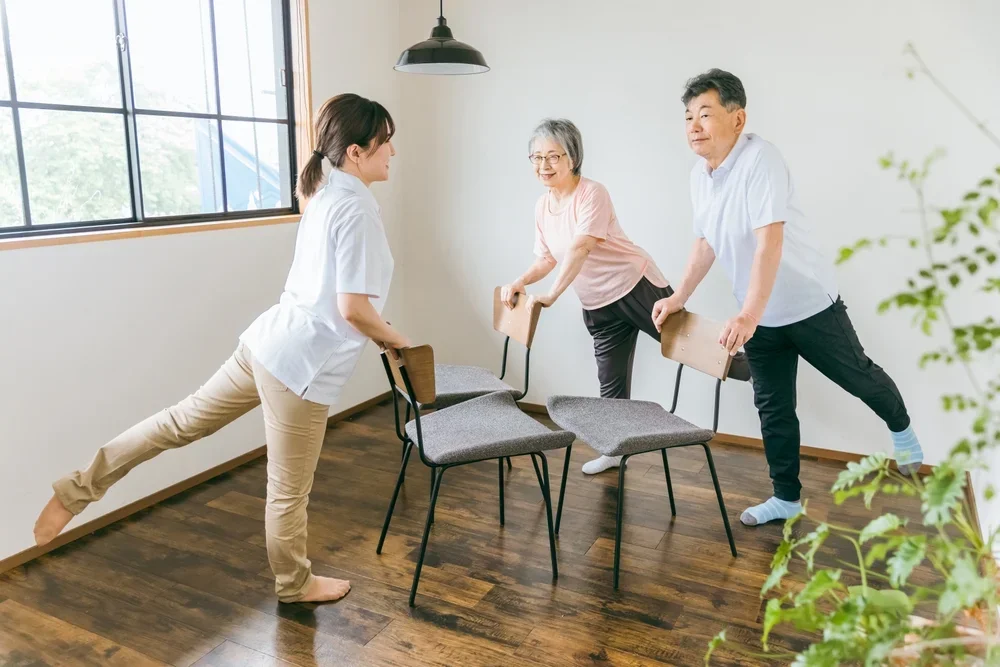
Living with lymphedema requires a proactive approach to managing symptoms and maintaining quality of life. While professional treatments like Manual Lymph Drainage (MLD) and compression therapy are foundational, one of the most empowering tools in your toolkit is movement. The right kind of exercise can significantly enhance the effectiveness of your therapy, helping to reduce swelling, improve mobility, and support your overall lymphatic health.
Many people with lymphedema are hesitant to exercise. They worry it might make their swelling worse or cause discomfort. However, when performed correctly, specific exercises are not only safe but also highly beneficial. The key is understanding how movement influences lymphatic flow and choosing activities that support, rather than strain, your system.
The lymphatic system, unlike the circulatory system with its powerful heart, is a passive network. It relies on external forces to move fluid, and one of the most effective forces is muscle contraction. When your muscles activate, they squeeze the lymphatic vessels nestled within them, creating a natural pumping action that propels lymph fluid forward.
This guide will walk you through the best exercises to support your lymphedema therapy. We’ll cover everything from foundational breathing techniques to gentle movements and cardiovascular activities, providing practical advice to help you move with confidence. At Lympha Villa, we believe that integrating targeted exercise into your care plan is a vital step toward long-term lymphedema management.
The Guiding Principles of Exercise for Lymphedema
Before diving into specific exercises, it's crucial to understand the principles that make an exercise "lymph-friendly." Following these guidelines will ensure your workout is both safe and effective.
1. Always Wear Your Compression
This is the most important rule. If you have been prescribed a compression garment or bandages for your affected limb, you should wear them during exercise. The garment provides external support, preventing the limb from over-swelling as blood flow increases during activity. More importantly, it creates a firm resistance for your muscles to pump against, dramatically amplifying the effectiveness of each contraction in moving lymph fluid. Exercising without compression can sometimes make swelling worse.
2. Start with Deep Breathing
Every exercise session should begin with deep, diaphragmatic breathing. The diaphragm, the large muscle at the base of your lungs, acts as a powerful pump for the thoracic duct—the largest lymphatic vessel in your body. Activating this pump "clears the central drains" before you start moving fluid from your limbs.
3. Go Slow and Listen to Your Body
Lymphedema exercise is not about pushing to your limits. The goal is gentle, rhythmic movement. Start slowly with any new activity and gradually increase the duration or intensity. Pay close attention to how your body feels. If you experience pain, tingling, or a sudden increase in heaviness, stop and rest. Your limb should not feel significantly heavier or more swollen after exercise. A slight pinkness of the skin is normal, but redness or pain is a signal to back off.
4. Progress Gradually
Don't try to go from zero to sixty in one day. If you're new to exercise, start with just 5-10 minutes of gentle movement. As your stamina improves, you can slowly add more time or repetitions. Consistency is far more important than intensity. A short, daily routine is more beneficial than one long, exhausting workout per week.
5. Stay Hydrated
Proper hydration is essential for healthy lymphatic flow. Lymph fluid is primarily water, and dehydration can make it thicker and more sluggish. Drink plenty of water before, during, and after your exercise session to help your body flush out waste products effectively.
The Foundational Exercise: Diaphragmatic Breathing
If you only do one exercise for your lymphatic system, make it this one. Diaphragmatic breathing, or "belly breathing," directly stimulates the largest lymphatic channels in your body, making it the perfect way to start and end any exercise routine.
How to Perform Diaphragmatic Breathing
Get Comfortable: You can do this lying on your back with your knees bent, sitting in a chair with your feet flat on the floor, or even standing.
Place Your Hands: Place one hand on your upper chest and the other on your belly, just below your rib cage.
Inhale Slowly: Breathe in slowly through your nose for a count of four. As you inhale, focus on letting your belly expand and rise, pushing your bottom hand up. Try to keep your chest and top hand as still as possible. This ensures you are using your diaphragm, not your chest muscles.
Exhale Slowly: Breathe out slowly through your mouth for a count of six. As you exhale, feel your belly fall. You can gently press on your abdomen with your hand to help empty the air completely.
Repeat: Perform 5-10 of these deep, conscious breaths.
You should perform this breathing exercise before you begin your main workout, after you finish, and any time throughout the day you need a moment of calm or feel your system is sluggish.
Part 1: Gentle Pumping and Range of Motion Exercises
These exercises are designed to be performed slowly and deliberately. They are perfect for a warm-up, a cool-down, or as a standalone routine on days when you feel particularly tired or sore. The focus is on gentle joint movement and rhythmic muscle activation.
For All Types of Lymphedema (Performed Seated or Lying Down)
Neck Rotations: Slowly turn your head to look over your right shoulder, hold for a moment, and return to center. Repeat on the left side. Then, gently tilt your right ear toward your right shoulder, and then your left ear toward your left shoulder.
Shoulder Shrugs: Inhale and lift your shoulders up toward your ears. Exhale and let them drop completely.
Shoulder Rolls: Gently roll your shoulders forward in a circular motion 5 times, then backward 5 times.
Ankle Pumps: With your legs extended, point your toes away from you, then flex your feet to bring your toes toward you. This simple movement powerfully activates the calf muscle pump, which is critical for leg circulation.
Ankle Circles: Slowly rotate your ankles in a clockwise direction 10 times, then counter-clockwise 10 times.
For Arm Lymphedema
Hand Pumps: Open your hands wide, stretching your fingers apart. Then, slowly make a gentle fist. Repeat 10-15 times.
Wrist Circles: With your arms supported, make slow circles with your wrists, first in one direction and then the other.
Elbow Bends: Rest your arm on a table or your lap. Slowly bend your elbow to bring your hand toward your shoulder, then slowly straighten it again.
Shoulder Blade Squeezes: While seated or standing, gently squeeze your shoulder blades together as if you're trying to hold a pencil between them. Hold for a moment and release.
For Leg Lymphedema
Knee Bends (Seated): While sitting in a chair, slowly straighten one leg out in front of you, hold for a moment, and then slowly lower it back down. Alternate legs.
Heel/Toe Raises (Seated): Keeping your feet flat on the floor, first lift your heels up while keeping your toes down. Then, lower your heels and lift your toes up. Rock back and forth rhythmically.
Hip Abduction (Lying Down): Lie on your back with your knees bent. Slowly let one knee fall out to the side, keeping your pelvis stable. Use your inner thigh muscles to slowly bring it back to the center. Alternate legs.
These decongestive exercises are a core component of the comprehensive Lymphedema Therapy we offer, designed to empower you with self-management techniques.
Part 2: Cardiovascular and Aerobic Exercise
Cardiovascular exercise is excellent for lymphatic health because it increases your heart rate and respiration, which naturally boosts the speed of lymphatic circulation. The key is to choose low-impact activities that don't jolt or strain the affected limbs.
Swimming and Water-Based Exercise
Water exercise is often considered the gold standard for lymphedema. The hydrostatic pressure of the water acts as a natural form of full-body compression. This gentle, consistent pressure supports your tissues and provides resistance for your muscles to work against, creating a perfect environment for lymphatic drainage.
Benefits: The buoyancy of water makes it easy on your joints, while the pressure helps to move fluid out of your limbs. You often don't need to wear your compression garment in the pool because the water provides the compression for you (check with your therapist first).
Activities: Simple water walking, gentle water aerobics, or swimming laps are all excellent choices.
Walking
Walking is one of the most accessible and effective forms of exercise. It rhythmically activates the large muscle groups in your legs and engages your core and arm swing, promoting full-body lymphatic flow.
Tips for Success:
Wear supportive, well-fitting shoes.
Start on flat, even surfaces.
Use good posture, standing tall with your shoulders back.
Begin with short walks (10-15 minutes) and gradually increase your time or pace.
Cycling
Cycling, especially on a stationary bike, is another fantastic low-impact option. It allows for continuous, rhythmic contraction of the leg muscles without the pounding of high-impact activities.
Setup is Key: Adjust the seat height so your knee is slightly bent at the bottom of the pedal stroke. This prevents hyperextension and strain.
Start with Low Resistance: Begin with little to no resistance and focus on maintaining a smooth, steady pace. You can gradually increase the resistance as you get stronger.
Rebounding
Rebounding involves bouncing gently on a mini-trampoline. The vertical up-and-down motion is thought to be particularly effective at stimulating lymphatic flow by opening and closing the one-way valves in the lymphatic vessels.
Start Gently: Begin with the "health bounce," where your feet don't even leave the mat. Simply bounce gently from your heels to your toes.
Use Support: Choose a rebounder with a stability bar to hold onto, especially when you are just starting out.
Part 3: Strength and Flexibility Training
Maintaining muscle strength and flexibility is crucial for supporting your joints and enhancing the muscle pump effect.
Strength Training
You do not need to avoid strength training, but you must approach it with caution. The key is to use light weights and higher repetitions, and to avoid straining or holding your breath.
Guidelines:
Start with no weight: Begin by just going through the motions to ensure your form is correct.
Use light weights or resistance bands: When you do add weight, choose a weight that allows you to complete 15-20 repetitions without significant struggle.
Exhale on exertion: Breathe out during the most difficult part of the movement (e.g., when you are lifting the weight). Never hold your breath, as this increases pressure in the chest and can impede lymphatic flow.
Monitor your limb: Pay close attention to how your affected limb feels. If you notice any increased swelling, heaviness, or discomfort, reduce the weight or stop the exercise.
Flexibility and Stretching
Stretching helps maintain your range of motion, which can be restricted by swelling and fibrosis. It also helps release tension in muscles, allowing for better fluid flow.
Be Gentle: Stretches should be gentle and sustained. You should feel a light pull, never pain.
Hold, Don't Bounce: Hold each stretch for 20-30 seconds. Avoid bouncing, which can cause micro-tears in the muscles.
Focus on Problem Areas: Pay special attention to stretching areas that feel tight, such as the chest and shoulders for arm lymphedema, or the hips and calves for leg lymphedema. Yoga and Tai Chi can be excellent, gentle ways to improve both flexibility and balance.
Putting It All Together: A Sample Routine
Here is an example of what a well-rounded, 30-minute exercise session could look like for someone with lymphedema.
Warm-up (5 minutes):
5-10 deep diaphragmatic breaths.
Gentle neck tilts and shoulder rolls.
Ankle pumps and wrist circles.
Main Activity (20 minutes):
Choose one cardiovascular exercise: a brisk walk, a session on a stationary bike, or water aerobics.
Maintain a pace where you can still hold a conversation.
Cool-down and Stretching (5 minutes):
Perform gentle stretches for the major muscle groups you worked.
Finish with 5-10 more deep diaphragmatic breaths to help clear the fluid you've just moved.
Your Partner in Lymphedema Management
Exercise is a powerful component of a proactive lymphedema management plan, but it works best when integrated into a comprehensive care strategy. Professional guidance is key to ensuring you are performing the right exercises safely and effectively for your specific condition.
At Lympha Villa, our certified therapists can assess your condition, design a personalized home exercise program, and ensure it complements your in-clinic treatments. We can teach you the proper techniques, help you monitor your progress, and make adjustments as your needs change. Combining professional Lymphedema Therapy with a consistent, appropriate exercise routine is the most effective way to manage your symptoms and live an active, fulfilling life.
Don’t let lymphedema keep you from moving. By embracing the right kinds of exercise, you can take an active role in your own well-being, improve your body’s natural drainage system, and feel stronger and more energetic. If you’re ready to create a personalized exercise and therapy plan, we invite you to book a session with our team of lymphatic health experts.