

What Is Lymphedema Therapy and How Does It Work?
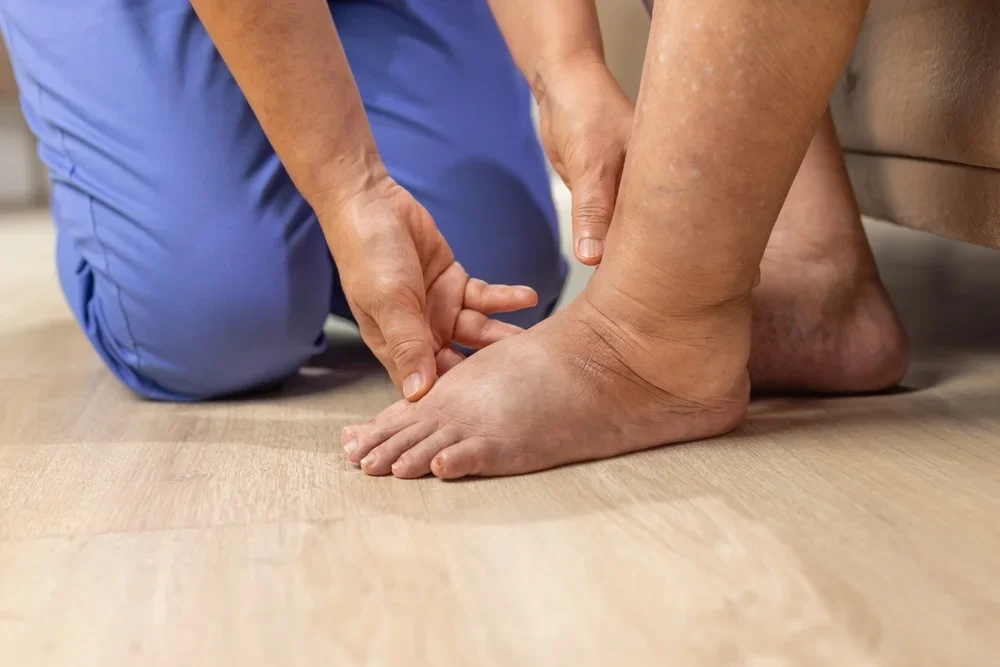
Living with chronic swelling can feel like carrying an invisible weight. It isn't just about clothes not fitting right or jewelry feeling tight; it’s the heaviness, the discomfort, and the constant worry about whether it will get worse. If you or a loved one are navigating this reality, you’ve likely heard the term "lymphedema therapy" thrown around. But what exactly does that mean, and more importantly, can it actually help you feel like yourself again?
Lymphedema is a chronic condition, but it is also a manageable one. With the right therapeutic approach, the progression of swelling can be halted, and often reversed, restoring mobility and quality of life. At Lympha Villa, we specialize in guiding patients through this journey, moving from uncertainty to empowerment.
In this comprehensive guide, we will break down exactly what lymphedema therapy entails, the science behind how it works, and what you can expect when you step into a clinic for treatment.
Understanding the Basics: What Is Lymphedema?
Before diving into the therapy, it is crucial to understand the condition itself. Lymphedema is an accumulation of protein-rich fluid that occurs when the lymphatic system is damaged or blocked. Unlike the temporary swelling you might get from a twisted ankle (edema), lymphedema is chronic. The lymphatic system acts as the body's waste disposal unit, filtering toxins and maintaining fluid balance. When this system falters, fluid gets backed up, usually in an arm or leg, leading to swelling, tissue hardening (fibrosis), and increased risk of infection.
There are two main types:
Primary Lymphedema: A rare, genetic condition where lymph nodes or vessels are malformed at birth.
Secondary Lymphedema: Caused by damage to the lymphatic system, most commonly from cancer treatments (surgery, radiation), trauma, or chronic venous insufficiency.
Lymphedema therapy is the gold standard medical intervention designed to manually assist this compromised system.
What Is Lymphedema Therapy?
Lymphedema therapy, clinically known as Complete Decongestive Therapy (CDT), is a non-invasive, multi-modal approach to managing lymphedema. It is not a cure—currently, there is no cure for lymphedema—but it is a highly effective management strategy. The primary goal is to reduce the volume of the swollen limb and maintain that reduction long-term.
At its core, lymphedema therapy is about rerouting. Imagine a highway (your lymph vessels) that is blocked by a traffic accident (damaged nodes). Cars (lymph fluid) are piling up. Lymphedema therapy acts as the traffic controller, guiding those cars to alternate routes (healthy lymph vessels) so traffic can flow freely again.
The Two Phases of Therapy
Effective lymphedema management is generally divided into two distinct phases:
The Intensive Phase (Decongestion): This is the "active treatment" phase. The goal here is to mobilize the accumulated fluid and reduce the size of the limb as much as possible. This typically involves daily or frequent sessions over several weeks.
The Maintenance Phase: Once the limb size has stabilized, the focus shifts to maintaining those results at home. This involves self-care, wearing compression garments during the day, and periodic check-ups.
How Does Lymphedema Therapy Work? The 4 Pillars of CDT
Complete Decongestive Therapy relies on four integrated components. Each plays a vital role in moving fluid and keeping it out.
1. Manual Lymphatic Drainage (MLD)
This is often the part patients look forward to the most. Manual Lymphatic Drainage is a specialized massage technique that is quite different from a standard Swedish or deep tissue massage.
The Technique: MLD uses very light, rhythmic, skin-stretching strokes. The pressure is incredibly gentle—often described as the weight of a nickel—because the initial lymph vessels are located just beneath the surface of the skin. Pressing too hard collapses these vessels, rendering the therapy ineffective.
The Mechanism: The therapist uses specific hand movements to stimulate the "angions" (segments of lymph vessels) to contract more frequently. They manually push the fluid from the swollen area toward healthy lymph nodes that are working properly. For example, if you have lymphedema in your right arm due to breast cancer surgery, the therapist might guide fluid across your chest to the healthy lymph nodes in your left armpit or down toward your groin.
The Result: This manual pumping action clears the blockage, reducing the immediate volume of fluid in the limb and softening hardened tissue.
2. Compression Therapy
If MLD moves the fluid out, compression keeps it out. Without compression, the fluid you just spent an hour moving would simply gravity-feed back into the limb the moment you stood up.
Short-Stretch Bandages: During the intensive phase, patients often wear multi-layered bandages. Unlike Ace bandages (which are "long-stretch" and have high resting pressure), short-stretch bandages have low resting pressure but high working pressure. This means they don't constrict you when you're relaxing, but they provide a firm wall of resistance when you move your muscles.
Compression Garments: Once the limb size is reduced, patients transition to wearing elastic compression sleeves or stockings during the day. These are crucial for long-term maintenance.
3. Decongestive Exercises
Movement is medicine for the lymphatic system. Unlike the heart, which has a pump to move blood, the lymphatic system relies on muscle contraction to push fluid through the vessels.
The Protocol: Lymphedema exercises are performed while wearing compression bandages or garments.
How It Works: When you flex a muscle against the resistance of the compression bandage, it creates an internal pumping mechanism. This increases the pressure inside the tissue, forcing fluid into the lymph vessels and moving it out of the affected area.
Types of Movement: These aren't high-intensity workouts. They are usually gentle, repetitive movements like diaphragmatic breathing, arm pumps, or ankle circles designed to maximize lymph flow without increasing blood flow too rapidly (which can exacerbate swelling).
4. Skin and Nail Care
This is the often-overlooked hero of lymphedema therapy. Fluid-rich tissues are a breeding ground for bacteria. Because the lymphatic system (your immune defense) is compromised in the swollen area, even a tiny scratch or bug bite can lead to a serious infection called cellulitis.
The Routine: Therapists educate patients on rigorous hygiene protocols. This includes keeping the skin clean and dry, using low-pH moisturizers to prevent cracking, and immediately treating any cuts or scrapes.
The Goal: Preventing infection is critical because every infection damages the lymphatic system further, worsening the lymphedema.
Who Is a Candidate for Lymphedema Therapy?
While the name suggests it is strictly for diagnosed lymphedema patients, the techniques used in this therapy benefit a wide range of individuals dealing with swelling and fluid retention.
Cancer Survivors
Breast cancer survivors are the most common recipients of this therapy, particularly those who have had lymph nodes removed (lymphadenectomy) or radiation therapy. However, survivors of melanoma, prostate, ovarian, and other cancers affecting the lymph nodes also benefit immensely. Early intervention is key—seeing a therapist at the first sign of heaviness can prevent the condition from becoming severe.
Post-Surgical Patients
Cosmetic surgeries like tummy tucks, Liposuction 360, and BBLs (Brazilian Butt Lifts), as well as orthopedic surgeries like knee replacements, cause significant trauma and swelling. Post-op lymphatic therapy accelerates recovery, reduces pain, and prevents the formation of fibrosis (hard lumps) under the skin, ensuring smoother aesthetic results.
Those with Chronic Venous Insufficiency (CVI)
In advanced stages of vein disease, the veins struggle to send blood back to the heart, causing fluid to leak into the tissues. Over time, this overloads the lymphatic system, leading to a mixed condition called Phlebolymphedema. Therapy can help manage the edema associated with CVI.
Lipedema Patients
Lipedema is a fat disorder often confused with obesity, characterized by painful, symmetrical fat accumulation in the legs and arms. While diet and exercise don't reduce lipedema fat, lymphedema therapy helps manage the accompanying swelling and pain, improving mobility.
What to Expect During Your First Appointment
Walking into a new therapy session can be daunting, especially when you are dealing with a medical condition. At Lympha Villa, we prioritize creating a sanctuary-like environment where clinical expertise meets comfort. Here is what typically happens during an initial assessment:
1. Medical History Review
Your therapist will conduct a deep dive into your medical history. They will ask about your surgeries, cancer treatments, when the swelling started, and what triggers it. Understanding the root cause is essential for safety.
2. Physical Examination
The therapist will physically examine the swollen limb. They will look for:
Pitting: Does the skin leave an indentation when pressed?
Fibrosis: Is the tissue soft and fluid-filled, or hard and woody?
Skin Integrity: Are there any wounds, infections, or skin changes?
Measurements: They will take circumferential measurements of the limb to establish a baseline. This allows both you and the therapist to track progress objectively over time.
3. Personalized Treatment Plan
Based on the assessment, the therapist will outline a plan. This might include how many sessions you need per week, what kind of compression you require, and immediate self-care steps.
4. Initial Treatment
In most cases, you will receive your first Manual Lymphatic Drainage session immediately. This allows you to experience the technique and provides immediate relief from the sensation of heaviness.
Benefits Beyond Swelling Reduction
While reducing limb size is the primary metric of success, the benefits of lymphedema therapy extend far beyond the tape measure.
Pain Relief: Fluid accumulation puts pressure on nerves, causing aching and throbbing. Relieving that pressure significantly reduces pain.
Improved Mobility: A heavy, swollen limb is hard to move. As the fluid decreases, patients often find they have a better range of motion and can return to activities they love, like gardening or walking.
Restored Confidence: Chronic swelling can lead to body image issues and social withdrawal. Taking control of the condition and seeing visible improvements often provides a massive psychological boost.
Infection Prevention: By keeping the fluid moving and maintaining skin integrity, therapy drastically reduces the risk of hospitalization due to cellulitis.
Common Myths About Lymphedema Therapy
There is a lot of misinformation surrounding lymphatic health. Let’s clear up a few common misconceptions.
Myth 1: "It hurts."
Fact: Absolutely not. Manual Lymphatic Drainage is one of the gentlest forms of bodywork. It should be relaxing and soothing. If it hurts, the pressure is likely too deep.
Myth 2: "Diuretics (water pills) are a better solution."
Fact: Diuretics remove water from the blood, but lymphedema fluid is protein-rich. Removing the water leaves the protein behind, which can actually cause the tissue to harden (fibrosis) more quickly. Diuretics are generally not the solution for pure lymphedema.
Myth 3: "There is nothing you can do about lymphedema."
Fact: This is the most damaging myth of all. While chronic, lymphedema is highly manageable. With the right therapy, you can lead a full, active life with minimal swelling.
Why Specialized Care Matters
The lymphatic system is complex and delicate. Treating it requires specialized training beyond standard massage therapy. A Certified Lymphedema Therapist (CLT) undergoes over 135 hours of specialized education to understand the anatomy, pathology, and specific techniques required to move fluid safely.
Using the wrong techniques—like deep tissue massage on a lymphedema arm—can actually damage the fragile lymph vessels and worsen the swelling. It is akin to trying to fix a computer with a hammer; the tool is simply too blunt for the delicate mechanism.
At Lympha Villa, our team consists of licensed professionals dedicated exclusively to lymphatic health. We understand the nuances of oncology recovery, post-surgical care, and chronic management.
Taking the Next Step
Ignoring swelling rarely makes it go away. In fact, lymphedema is a progressive condition. The earlier you intervene, the easier it is to manage. Whether you have just noticed a slight puffiness after surgery or have been managing chronic swelling for years, professional therapy can offer relief and results.
Your body has an incredible capacity to heal and adapt, but sometimes it needs a helping hand. Lymphedema therapy provides that support, clearing the path for better circulation and better health.
If you are ready to feel lighter, move easier, and take control of your lymphatic health, we are here to help.
Ready to start your recovery journey?
Book a session with our specialized therapists today, or learn more about our specific treatments on our Services page.
Frequently Asked Questions About Lymphedema Therapy
How long does it take to see results?
Many patients feel relief after a single session—a sensation of "lightness" in the limb. Visibly reducing the size of the limb typically takes a few weeks of consistent therapy (the intensive phase), depending on the severity of the swelling and tissue hardness (fibrosis).
Can I do lymphatic drainage on myself?
Yes! Self-MLD is a crucial part of the maintenance phase. However, it is vital that you learn the correct technique from a certified therapist first. Doing it incorrectly can push fluid into the wrong areas or be ineffective. During your sessions at Lympha Villa, we provide education on how to perform simplified drainage at home.
Will insurance cover my therapy?
Coverage for lymphedema therapy varies by provider. Because it is a medical necessity for lymphedema management, many plans do offer coverage. However, it is important to check your specific policy regarding physical or occupational therapy benefits. Some Flexible Spending Accounts (FSA) and Health Savings Accounts (HSA) can also be used for treatment.
Is therapy safe if I am currently undergoing chemotherapy?
Generally, yes, and it can be very beneficial. However, we always require clearance from your oncologist before beginning treatment during active cancer care to ensure there are no contraindications such as blood clots or active infections.
Do I have to wear compression garments forever?
For chronic lymphedema, compression is usually a lifelong commitment to prevent the swelling from returning. However, many patients find that once their limb is reduced and stabilized, they can transition to wearing lighter garments or wearing them for fewer hours a day. Your therapist will help you find a balance that fits your lifestyle.
What is the difference between lymphedema and normal swelling?
"Normal" swelling (edema) often resolves on its own with elevation or rest—think of swollen ankles after a long flight. Lymphedema is often asymmetrical (one leg is bigger than the other), can feel heavy or tight, and does not go away on its own. If you press on the skin and the dent stays there (pitting), it is a sign you should be evaluated by a professional.