

What Causes Lymphedema? Surgery, Injury, and Chronic Conditions
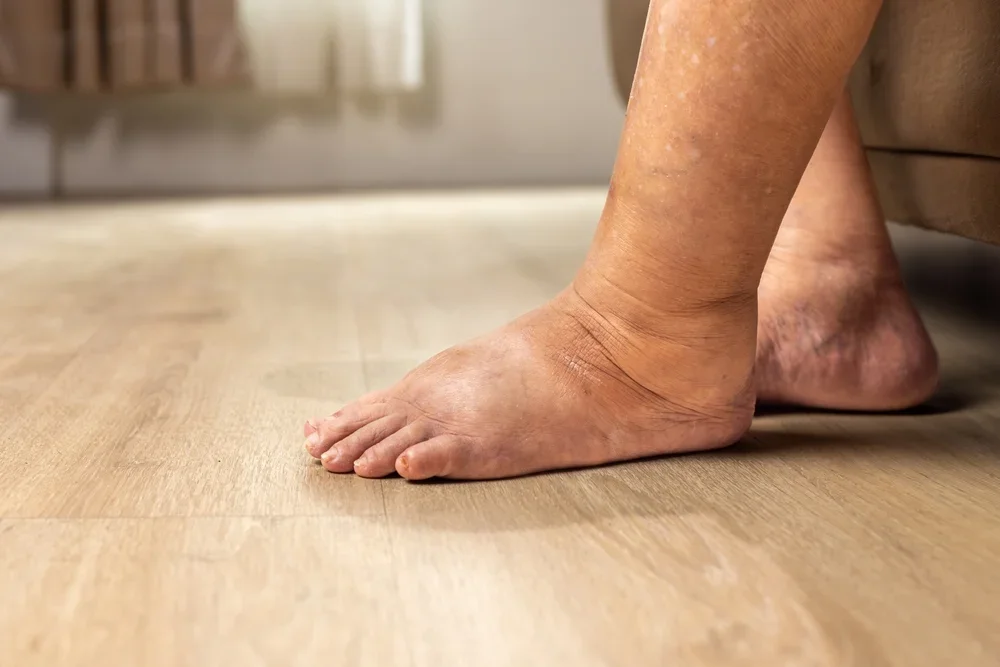
Swelling is a common bodily reaction. You twist your ankle, it puffs up. You get a bug bite, it creates a welt. In most cases, this swelling is temporary—a short-term response by your immune system to fix a problem. But for millions of people, the swelling doesn't go away. Instead, it persists, creates heaviness, and changes the shape of their body. This is lymphedema.
Lymphedema is not simply "water retention" or the result of eating too much salt. It is a specific medical condition caused by a mechanical failure in the body’s lymphatic system. Understanding why this failure happens is the first step toward managing it. Whether you are waking up from a major surgery, recovering from a car accident, or dealing with a chronic vein issue, identifying the root cause of your swelling is essential for effective treatment.
In this guide, we will explore the complex web of factors that lead to lymphedema. We will break down how surgical procedures disrupt lymphatic pathways, how injuries can permanently alter drainage, and how chronic conditions like venous insufficiency and lipedema can overload the system. By understanding the causes of lymphedema, you can better advocate for your own health and seek the right therapies to regain your quality of life.
The Mechanics of Failure: How Lymphedema Starts
To understand the causes, you must first visualize the system. Imagine your lymphatic system as a network of rivers and streams running beneath your skin. Its job is to collect the fluid that leaks out of your blood vessels (carrying waste, proteins, and immune cells) and transport it back to your heart. Along these rivers are filtration stations called lymph nodes.
Lymphedema occurs when this river system is blocked, damaged, or overwhelmed. It is a plumbing problem.
Transport Failure (Low Output): The vessels or nodes are damaged (cut during surgery, radiated, or genetically malformed). They physically cannot move the normal amount of fluid produced by the body. This is like a highway with three lanes closed; traffic backs up even if there aren't many cars.
Filtration Failure (High Output Failure): The system is healthy, but the amount of fluid produced by a chronic condition (like venous disease) is so massive that the system eventually burns out and fails. This is like a flood overwhelming a perfectly good storm drain.
Most cases of lymphedema fall into the category of Secondary Lymphedema, meaning the system was normal until something external damaged it. Let’s look at the most common culprit: medical intervention.
1. Surgical Intervention: The Leading Cause of Secondary Lymphedema
In the developed world, surgery and cancer treatments are the primary causes of lymphedema. While these procedures are often life-saving or life-enhancing, they involve physical trauma to the delicate lymphatic network.
Oncological (Cancer) Surgeries
Cancer often spreads through the lymphatic system. To stop this spread or check for it, surgeons must remove lymph nodes.
Lymph Node Dissection: In surgeries for breast cancer, melanoma, or gynecological cancers, surgeons may remove a cluster of lymph nodes (axillary, inguinal, or pelvic). When you remove a lymph node, you are removing a critical filtration station. The fluid that used to flow through that node now hits a dead end. While the body attempts to grow new pathways, it is often not enough to handle the volume, resulting in chronic swelling in the arm or leg.
Sentinel Lymph Node Biopsy: Even removing just one or two "sentinel" nodes (the first nodes a tumor drains to) can cause damage. While the risk is lower than a full dissection, it is not zero. The disruption of even a few key vessels can trigger localized lymphedema.
Cosmetic and Plastic Surgery
Many people are surprised to learn that elective surgeries can cause lymphedema. These procedures are traumatic to the subcutaneous tissue where the superficial lymphatics live.
Liposuction and Body Contouring: Liposuction involves aggressively breaking up fat cells and suctioning them out. In the process, the cannula (suction tube) tears through the spiderweb-like lymphatic capillaries. This causes massive surgical swelling immediately post-op. If the damage is extensive or if post-op care is neglected, this temporary swelling can turn into chronic fibrosis and lymphedema.
Abdominoplasty (Tummy Tuck): A tummy tuck involves lifting the skin and fat from the abdominal wall. This severs the lymphatic collectors that run vertically up the stomach. Fluid gets trapped below the incision line, often creating a persistent "shelf" of swelling above the pubic area.
Brazilian Butt Lift (BBL): This procedure combines liposuction with fat grafting. The trauma is twofold: damage to the donor sites (usually the back and stomach) and pressure on the recipient site (the glutes). The sheer volume of trauma can overwhelm the lymphatic system’s ability to heal without assistance.
Orthopedic Surgeries
Joint replacements are deep, invasive surgeries. A total knee or hip replacement involves cutting through tissue layers, cauterizing vessels, and creating significant inflammation.
The "Tourniquet Effect": During knee surgery, a tourniquet is often used to limit blood loss. However, this can compress lymphatic vessels. Combined with the surgical scar tissue, the drainage pathways in the leg can become compromised, leading to a swollen lower leg that persists long after the bone has healed.
If you have recently had surgery and the swelling isn't subsiding, you may need manual intervention to help reroute the fluid. You can Book a Session with our specialists to assess if your post-surgical swelling is transitioning into lymphedema.
2. Traumatic Injury and Accidents
You do not need to be in an operating room to damage your lymphatic system. Significant physical trauma from accidents, falls, or sports injuries can lead to Post-Traumatic Lymphedema.
Crush Injuries and Fractures
A severe crush injury (like a heavy object falling on a limb) or a complex bone fracture does more than break bone; it destroys the soft tissue surrounding it.
Vessel Severance: The impact can tear or crush the lymphatic vessels. Unlike blood vessels, which have a robust mechanism for clotting and repairing, lymphatic vessels are fragile. If a main lymphatic trunk in the leg or arm is severed during a fracture, the fluid transport from that limb is permanently compromised.
Compartment Syndrome: Severe swelling after trauma can lead to compartment syndrome, where pressure builds up inside the muscles. The surgical release of this pressure (fasciotomy) leaves deep scars that act as dams, blocking lymph flow.
Deep Burns
Third-degree burns destroy the skin and the lymphatic layer just beneath it. Even after skin grafting, the lymphatic network in that area is gone. The scar tissue that forms (hypertrophic scarring) is dense and unyielding, creating a physical barrier that lymph fluid cannot cross. This often leads to significant swelling distal to (below) the burn site.
The Role of Scar Tissue
Whether from a dog bite, a deep cut, or a bad fall, any injury that creates a deep scar can cause lymphedema. Scar tissue is not functional tissue; it is a patch. It does not contain lymph vessels. If a scar runs horizontally across a limb (like a bracelet), it can cut off all upward flow, trapping fluid in the hand or foot.
3. Chronic Venous Insufficiency (CVI)
One of the most common, yet overlooked, chronic lymphedema causes is vein disease. The venous system and the lymphatic system are partners. Veins take 90% of the blood fluid back to the heart; lymphatics take the remaining 10%.
The Mechanism of Phlebolymphedema
In Chronic Venous Insufficiency (CVI), the valves in the veins of the legs fail. Blood flows down but struggles to flow up against gravity. It pools in the lower legs, increasing pressure inside the veins.
The Leak: Under high pressure, fluid leaks out of the veins and into the tissue. The lymphatic system, trying to be a good partner, works overtime to pump this extra fluid away.
The Burnout: Eventually, the lymphatic system cannot keep up with the constant flood. The lymphatic vessels become dilated and the valves fail. What started as a vein problem becomes a lymphatic problem. This combined condition is called Phlebolymphedema.
Signs of this cause include rusty-brown discoloration on the lower legs (hemosiderin staining), varicose veins, and swelling that worsens significantly by the end of the day.
4. Lipedema and Lymphatic Strain
Lipedema is often confused with lymphedema, but they are distinct conditions that frequently overlap. Lipedema is a chronic disorder of adipose (fat) tissue, causing a symmetrical accumulation of painful fat in the legs and hips.
From Lipedema to Lipo-Lymphedema
Pure lipedema is not caused by fluid buildup initially. However, as the diseased fat cells grow, they begin to crowd the healthy tissue.
Compression: The heavy, nodular fat physically compresses the fine lymphatic capillaries.
Obstruction: Over years, this pressure damages the vessels, preventing them from draining fluid properly.
Progression: The patient develops secondary lymphedema on top of their lipedema. This stage is known as Lipo-Lymphedema. The legs, which were previously just large due to fat, now retain fluid, pit when pressed, and are at risk for infection.
Managing this requires a dual approach: addressing the fat (often through specialized surgical extraction) and managing the fluid through compression and therapy.
5. Cancer Treatments Beyond Surgery
Surgery isn't the only cancer treatment that harms the lymphatic system. Radiation and chemotherapy play significant roles in the development of lymphedema.
Radiation Therapy (Fibrosis)
Radiation is designed to kill cancer cells by damaging their DNA. Unfortunately, it also damages healthy cells in the treatment field.
The "Cooked" Tissue: Radiation causes inflammation that leads to fibrosis—a stiffening and scarring of the tissue. Radiated lymph nodes can become fibrotic, effectively turning into rocks that fluid cannot pass through.
Delayed Onset: Radiation damage is insidious. It continues to evolve for months or even years after treatment ends. A patient may have no swelling for five years, only to develop lymphedema later as the radiated tissue gradually tightens and constricts the remaining vessels.
Chemotherapy
Certain chemotherapy drugs (taxanes like docetaxel) are known to cause fluid retention and widespread edema. While this is often systemic (whole body) and temporary, it puts massive stress on a compromised lymphatic system. If a patient has had lymph nodes removed and is then given chemotherapy that causes water retention, the "weak link" (the surgical arm or leg) is often where the swelling settles and becomes permanent.
Tumor Obstruction
In some cases, lymphedema is the first sign of cancer or a sign of recurrence. A tumor growing in the pelvis or axilla can physically press against large lymphatic trunks or veins, acting like a boulder blocking a stream. This obstructive lymphedema requires immediate oncological evaluation.
6. Primary Lymphedema: The Genetic Factor
While secondary lymphedema is caused by damage, Primary Lymphedema is caused by a developmental error. These individuals are born with a lymphatic system that is incomplete or malformed.
Hypoplasia: The patient has fewer lymphatic vessels than normal, or the vessels are too narrow (like drinking a thick milkshake through a coffee stirrer).
Hyperplasia: The vessels are too large and floppy, causing valves to fail and fluid to backflow.
Aplasia: Sections of the lymphatic system never formed at all.
Primary lymphedema is classified by when it appears:
Congenital: Present at birth (e.g., Milroy’s Disease). The baby is born with swollen feet or legs.
Lymphedema Praecox: Appears in puberty or early adulthood (mostly affecting females). This is the most common form of primary lymphedema. The system manages during childhood but cannot keep up with the hormonal and growth changes of puberty.
Lymphedema Tarda: Appears after age 35. This is rare and usually indicates a slow decline in lymphatic function over decades.
7. Infection: The Cause and The Consequence
Infection has a "chicken and egg" relationship with lymphedema. It is a major complication of the disease, but it can also be the cause.
Filariasis
On a global scale, the number one cause of lymphedema is not cancer surgery—it is a parasitic infection called Lymphatic Filariasis. Transmitted by mosquitoes in tropical regions, microscopic worms lodge themselves in the lymph nodes, causing massive blockages and severe swelling (elephantiasis). While rare in the US, it is the leading cause worldwide.
Recurrent Cellulitis
Repeated bacterial skin infections (cellulitis) destroy lymphatic vessels. Each infection causes intense inflammation and scarring. Even if a person starts with a healthy lymphatic system, suffering multiple severe infections in the same leg can eventually destroy enough vessels to cause permanent lymphedema.
8. Obesity and Lymphatic Overload
In recent years, a new category has emerged: Obesity-Induced Lymphedema. This is not just fat accumulation; it is actual lymphatic failure caused by weight.
The Crushing Weight: Excessive adipose tissue in the lower abdomen and groin puts heavy downward pressure on the deep inguinal lymph nodes and vessels.
Direct Compression: This pressure essentially pinches the hose shut. The fluid from the legs cannot get past the "roadblock" of abdominal weight to return to the heart.
Inflammation: Obesity is a chronic inflammatory state, which creates more fluid and puts higher demand on the system.
For these patients, weight loss is a critical component of treatment, alongside traditional lymphedema therapies.
Identifying the Cause: Diagnosis
Because the causes are so varied, proper diagnosis is essential. You cannot treat venous swelling exactly the same way you treat cancer-related lymphedema.
At Lympha Villa, we look at the whole picture.
Medical History: Have you had surgery? Radiation? A bad car accident years ago?
Timeline: Did the swelling start suddenly (infection/clot) or gradually (lymphedema)?
Physical Characteristics: Is the swelling soft or hard? Does it pit? Is the skin discolored?
We often work in conjunction with your physicians who may order imaging tests like Lymphoscintigraphy (a nuclear scan of the lymph system) or Doppler Ultrasound (to check veins) to confirm the root cause.
Treating the Root Cause with Therapy
Regardless of whether your lymphedema was caused by a surgeon’s scalpel, a genetic quirk, or a chronic vein problem, the treatment principles remain similar: you must help the body move what it cannot move itself.
Complete Decongestive Therapy (CDT) is the gold standard treatment for all causes of lymphedema.
Manual Lymphatic Drainage (MLD): We use specialized hands-on techniques to reroute fluid around the blockage (the scar, the removed nodes, or the damaged vessels) and into healthy areas.
Compression: We use bandages or garments to prevent the fluid from returning, compensating for the lost elasticity in the skin.
Skin Care: We strengthen the skin barrier to prevent the infections that worsen the condition.
Exercise: We activate the muscle pumps to drive fluid movement.
If you are suffering from swelling due to any of these causes, you do not have to accept it as your "new normal." Visit our Services Page to learn more about how we tailor our treatments to specific causes, from post-op recovery to chronic management.
Conclusion
Lymphedema is rarely "just bad luck." It is a physiological response to specific triggers—surgery, trauma, chronic disease, or genetics. Identifying the cause helps us understand the anatomy of your blockage. Knowing why you are swelling allows us to create a roadmap for how to reduce it.
Whether your pathways were cut during a tummy tuck, blocked by radiation fibrosis, or overwhelmed by venous insufficiency, the fluid can be managed. The lymphatic system is resilient, and with the right support, it can be retrained.
If you recognize your history in any of these causes, take the next step. Don't let the progression continue unchecked. Book a Session today and let us help you restore balance to your body.