

Lymphedema in the Legs: Causes, Symptoms, and Treatment Options
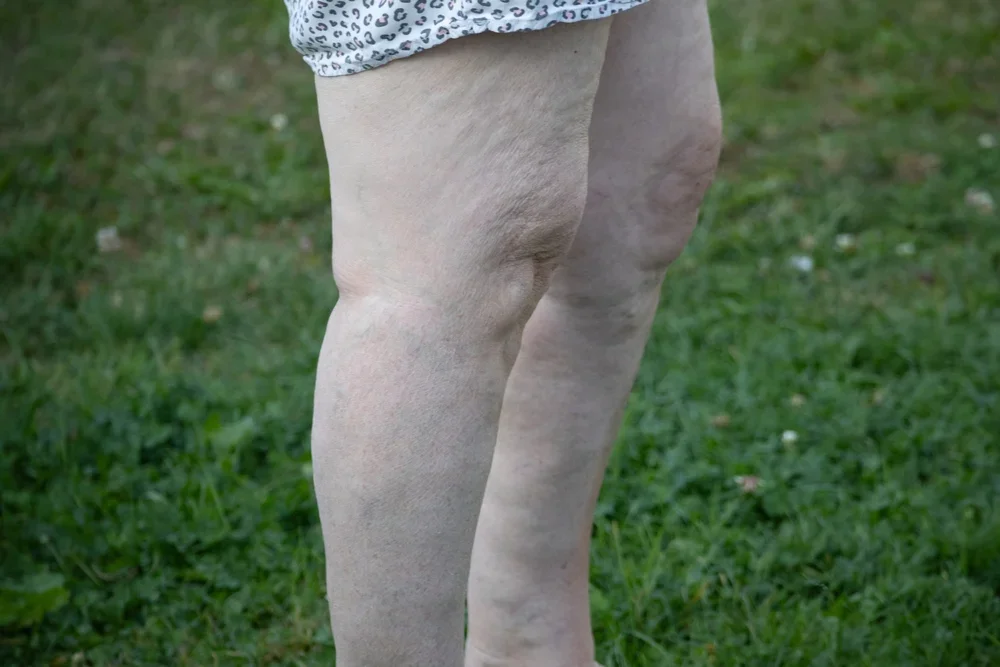
A persistent feeling of heaviness, tightness, or visible swelling in one or both legs can be more than just temporary discomfort. For many, it’s the first sign of lymphedema, a chronic condition that results from a compromised lymphatic system. While it can be a challenging diagnosis, understanding its causes, recognizing the symptoms early, and exploring effective treatment options can empower you to manage the condition and maintain your quality of life. This guide provides a comprehensive overview of lymphedema in the legs, from its underlying mechanics to the advanced therapeutic solutions available today.
If you are seeking professional help or want to learn more about specialized treatment options, consider exploring our Lymphedema Therapy services.
The lymphatic system is a crucial part of your body's immune and circulatory networks. It's a complex web of vessels, nodes, and organs that work together to transport lymph fluid—a clear, protein-rich fluid—throughout the body. This process is essential for clearing out waste, toxins, and abnormal cells while balancing fluid levels. When this system is damaged, blocked, or otherwise impaired, the fluid can accumulate in the soft tissues, most commonly in the arms or legs, leading to the chronic swelling known as lymphedema.
Understanding the Root Causes of Leg Lymphedema
Lymphedema in the legs is broadly categorized into two types: primary and secondary. The distinction lies in the origin of the lymphatic dysfunction.
Primary Lymphedema: Congenital and Hereditary Factors
Primary lymphedema is a rare, inherited condition caused by the improper development of the lymphatic system. The lymph vessels or nodes may be absent, too few in number, or ineffective at transporting fluid. This type of lymphedema is often categorized by the age of onset:
Congenital Lymphedema (Milroy's Disease): Present at birth or developing within the first two years of life, this form is caused by genetic mutations affecting lymphatic vessel formation.
Lymphedema Praecox (Meige's Disease): This is the most common form of primary lymphedema, with symptoms typically appearing during childhood or puberty.
Lymphedema Tarda: This type develops later in life, usually after the age of 35.
While the root cause is genetic, the onset of swelling in primary lymphedema can sometimes be triggered by an event such as a minor injury, infection, or even pregnancy.
Secondary Lymphedema: Acquired Damage to the Lymphatic System
Secondary lymphedema is far more common and occurs when a previously healthy lymphatic system is damaged or obstructed by an external factor. The causes are diverse and can affect individuals of any age. For an in-depth look at professional care options, visit our comprehensive services page.
Cancer and Cancer Treatment
This is one of the leading causes of secondary lymphedema. The lymphatic system can be damaged in several ways:
Surgery: The removal of lymph nodes (lymphadenectomy) during surgery for cancers like melanoma, uterine, prostate, or vulvar cancer is a primary cause. The more nodes removed, the higher the risk.
Radiation Therapy: Radiation can cause scarring and inflammation in lymph nodes and vessels, obstructing the flow of lymph fluid. The effects of radiation can sometimes manifest months or even years after treatment.
Tumor Growth: A growing tumor can press on and block major lymphatic vessels, impeding fluid drainage from the legs.
Chronic Venous Insufficiency (CVI)
Your circulatory system is a two-way street. While arteries deliver oxygen-rich blood, veins return it to the heart. In CVI, the valves in the leg veins are damaged, causing blood to pool in the lower legs. This condition, known as phlebolymphedema, increases pressure and forces fluid out of the blood vessels and into the surrounding tissues. Over time, this overload overwhelms the lymphatic system, leading to a combined venous and lymphatic disorder.
Infection and Inflammation
Severe or recurrent infections can cause significant damage to the lymphatic system.
Cellulitis: A common bacterial skin infection, cellulitis causes intense inflammation that can damage or destroy lymphatic vessels. Each episode of cellulitis increases the risk of developing lymphedema. Learn more about managing chronic swelling after infections like cellulitis in our specialized resources.
Lymphangitis: This is the inflammation of the lymph vessels themselves, often due to a bacterial or fungal infection.
Parasitic Infections: In tropical and subtropical regions, lymphatic filariasis (elephantiasis) is a major cause. It is transmitted by mosquitoes and involves parasitic worms lodging in the lymphatic system.
Trauma and Injury
Significant physical trauma can directly damage the lymphatic vessels in the legs. This includes crush injuries, severe burns, or extensive scarring from deep wounds. Even old injuries can sometimes lead to post-traumatic lymphedema years later if the initial damage was substantial enough to compromise long-term lymphatic function. Explore information about post-traumatic lymphedema and how our therapies can help.
Obesity
Excess body weight places significant pressure on the lymphatic system. The mass of adipose (fat) tissue can physically compress lymph channels. Furthermore, obesity is linked to chronic inflammation, which further impairs lymphatic function and increases fluid production, creating a vicious cycle that can lead to or worsen leg lymphedema.
Recognizing the Symptoms: More Than Just Swelling
The hallmark symptom of lymphedema is swelling, known as edema. However, the signs can be subtle at first and progress over time. Early recognition is key to effective management.
Early Stage Symptoms (Stage 0 and Stage 1)
Feeling of Heaviness or Fullness: Your leg may feel heavy, tight, or achy before visible swelling appears.
Pitting Edema: When you press a finger into the swollen area, an indentation remains for a few seconds.
Temporary Swelling: The swelling may come and go, often worsening during the day and improving overnight with elevation.
Clothing or Jewelry Tightness: You might notice that your socks, pants, or shoes feel tighter on one leg than the other.
At this stage, the condition is often reversible with prompt and appropriate care. The goal is to prevent progression to more advanced stages.
Later Stage Symptoms (Stage 2 and Stage 3)
Without management, the accumulated protein-rich lymph fluid triggers chronic inflammation and fibrosis (scarring).
Non-Pitting Edema (Stage 2): The tissue becomes firm and spongy. Pressing on the skin no longer leaves an indent. Elevation alone is not enough to reduce the swelling.
Skin Changes: The skin may become thick, hard, and dry. You might notice a rough, warty texture (hyperkeratosis) or small growths (papillomas).
Increased Limb Size: The leg becomes noticeably larger and may lose its natural contour.
Reduced Mobility: The weight and size of the limb can make walking and daily activities difficult.
Lymphorrhea: In severe cases, the skin may crack or weep lymph fluid, creating a high risk for infection.
Elephantiasis (Stage 3): This is the most advanced stage, characterized by extreme swelling, profound skin and tissue changes, and irreversible damage.
It is crucial to seek professional help as soon as you notice any of these symptoms. Early intervention with specialized Lymphedema Therapy can significantly slow or halt the progression of the disease.
The Gold Standard of Treatment: Complete Decongestive Therapy (CDT)
While there is no cure for lymphedema, it can be effectively managed. The most recognized and successful treatment approach is Complete Decongestive Therapy (CDT). This is not a single treatment but a comprehensive program delivered by a certified lymphedema therapist. CDT consists of two phases: an intensive phase and a maintenance phase.
The four core components of CDT are:
Manual Lymphatic Drainage (MLD)
Compression Therapy
Decongestive Exercises
Meticulous Skin and Nail Care
Let's explore each component in detail.
1. Manual Lymphatic Drainage (MLD)
This is the cornerstone of CDT and a highly specialized form of massage. Unlike a deep tissue massage that targets muscles, MLD is a gentle, rhythmic, skin-stretching technique. A certified therapist uses precise hand movements to stimulate lymphatic vessels and reroute fluid around blocked or damaged areas toward healthy lymph nodes where it can be properly drained.
A lymphatic drainage massage for leg lymphedema is not just about pushing fluid up the leg. The therapist first works on the neck and torso to clear the central lymphatic pathways, creating space for the fluid from the leg to flow. This systematic approach ensures the fluid has a clear exit path, maximizing the effectiveness of the treatment. For individuals with chronic leg swelling, professional MLD is essential for reducing limb volume, softening fibrotic tissue, and alleviating discomfort.
2. Compression Therapy
After MLD moves the fluid out, compression is applied to prevent it from returning. This is a critical step for maintaining the reductions achieved during therapy.
Phase 1 (Intensive): Multi-Layer Compression Bandaging. During the initial treatment phase, the therapist applies specialized short-stretch bandages over layers of padding. These bandages provide a high working pressure (resisting muscle movement) and a low resting pressure (comfortable when at rest). This system creates a gentle pressure gradient that continues to move fluid out of the limb and prevents re-accumulation between MLD sessions. The bandages are typically worn 23 hours a day and are reapplied daily after MLD.
Phase 2 (Maintenance): Compression Garments. Once the leg has been reduced to its smallest possible size, you will be fitted for medical-grade compression garments. These are typically flat-knit stockings custom-made to provide the correct pressure gradient for your leg. They must be worn daily from morning until night to maintain the results. There are various styles and strengths, and a certified fitter will ensure you get the right garment for your specific needs. Contact our therapists for compression garment guidance.
3. Decongestive Exercises
Movement is medicine for the lymphatic system. The contraction of muscles acts as a natural pump, pushing lymph fluid through its vessels. A lymphedema therapist will design a personalized exercise program to be performed while wearing your compression bandages or garments. These exercises are typically simple and gentle, focusing on activating the muscles in the affected leg and foot.
Examples include:
Ankle pumps
Knee bends
Marching in place
Deep diaphragmatic breathing
Combining these movements with the external resistance of compression creates a powerful pumping action that significantly enhances lymphatic flow.
4. Meticulous Skin and Nail Care
Lymphedema makes the skin fragile and prone to infection. The stagnant, protein-rich lymph fluid is an ideal breeding ground for bacteria. A small cut, insect bite, or ingrown toenail can quickly escalate into a serious case of cellulitis, which can cause further lymphatic damage.
A daily skin care routine is non-negotiable for anyone with leg lymphedema.
Cleanse: Wash the leg daily with a pH-neutral soap and pat it completely dry, especially between the toes.
Moisturize: Apply a low-pH lotion to keep the skin hydrated and prevent cracking.
Protect: Avoid cuts, scratches, and sunburns. Use insect repellent and wear proper footwear.
Nail Care: Cut toenails straight across and be careful not to cut the cuticles. Seek professional podiatry care if needed.
Monitor: Check your leg and foot daily for any signs of infection, such as redness, warmth, increased swelling, or fever. Contact your doctor immediately if you suspect an infection. For more tips, ask your lymphatic therapist during your visit.
Long-Term Management and Lifestyle Solutions
Managing leg lymphedema is a lifelong commitment. After the intensive phase of CDT, you will transition to a self-management program. Your therapist will provide you with the tools and education you need to take control of your condition.
Your Role in Self-Management
Wear Your Compression Garment: This is the most important part of long-term maintenance.
Perform Daily Exercises: Incorporate your decongestive exercises into your daily routine.
Maintain Skin Care: Be diligent with your daily skin and nail care protocol.
Practice Self-Massage: Your therapist may teach you a simplified version of MLD to perform at home.
Maintain a Healthy Weight: Reaching and maintaining a healthy body weight can significantly reduce the strain on your lymphatic system.
Elevate Your Legs: When resting, elevate your legs to a level above your heart to assist with drainage.
Follow-Up Appointments: Regular check-ups with your lymphedema therapist are essential for monitoring your condition and ensuring your compression garments still fit correctly. Garments typically need to be replaced every 4-6 months as they lose their elasticity.
If you're ready to plan your next step, book a session online for a personalized consultation.
When to Seek Professional Care
While self-management is key, professional intervention is vital. At Lympha Villa, our medically licensed therapists specialize in providing comprehensive Lymphedema Therapy. Whether you are newly diagnosed or have been managing the condition for years, our services can help. We provide expert Manual Lymphatic Drainage, compression guidance, and personalized care plans to reduce limb size, improve mobility, and protect your skin.
If you are experiencing chronic leg swelling, heaviness, or other symptoms, don't wait. A proactive approach is the best defense against the progression of lymphedema. Taking the first step can make a world of difference in your long-term health and well-being.
Taking the Next Step Towards Relief
Living with lymphedema in the legs requires knowledge, diligence, and the right support system. By understanding the causes and symptoms, you can seek a timely diagnosis. With a treatment plan centered around the gold standard of Complete Decongestive Therapy, you can effectively manage the swelling, reduce your risk of complications, and lead an active, fulfilling life.
Your journey to managing chronic leg swelling starts with expert care. Our team is dedicated to providing the specialized services you need to feel lighter, move easier, and regain control. We create a personalized, hands-on plan to address your specific condition in a supportive and restorative environment.
Ready to find a solution for your leg swelling? Book a session with one of our lymphatic health experts today and begin your path to wellness and recovery.