

Can Lymphedema Get Worse Without Treatment?
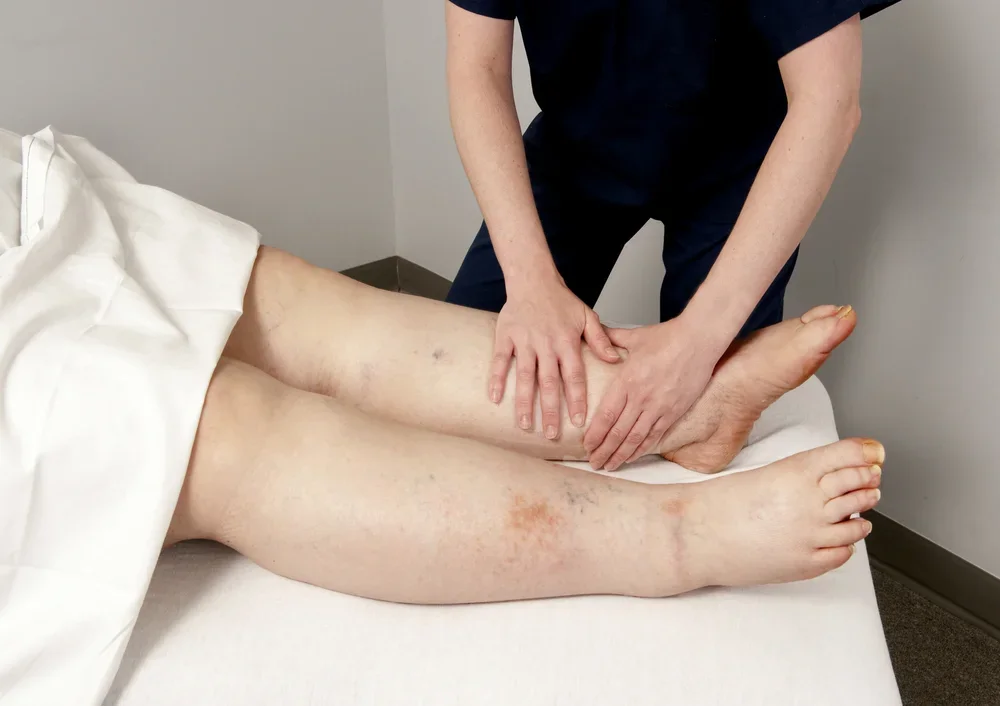
Imagine ignoring a small leak in your home’s plumbing. At first, it’s just a drip—annoying, but manageable with a bucket. But over time, that drip soaks into the floorboards, rots the wood, creates mold, and eventually threatens the structural integrity of the house. Lymphedema behaves in much the same way. What starts as a minor swelling or a feeling of heaviness can, if left unaddressed, evolve into a complex, progressive condition that fundamentally changes the health of your tissue.
The short answer to the question "Can lymphedema get worse without treatment?" is a resounding yes. Lymphedema is a chronic, progressive condition. Unlike a bruise or a simple sprain, it does not typically resolve on its own. Without intervention, the protein-rich fluid that accumulates in your tissues creates a cascading effect of inflammation, hardening, and increased infection risk.
Understanding this progression is not meant to scare you, but to empower you. Recognizing that lymphedema requires management is the first step toward taking control. This guide will explore exactly what happens when lymphedema is left untreated, the stages of its progression, and how timely therapies like Lymphatic Drainage Therapy can halt the damage and restore your quality of life.
The Nature of the Lymphatic System
To understand why lymphedema gets worse, we first have to understand what is going wrong. Your lymphatic system is a crucial part of your immune system and fluid balance. It acts as a one-way drainage system, collecting fluid, waste products, and proteins from the spaces between your cells and returning them to the bloodstream.
When this system is damaged—due to surgery, cancer treatment, trauma, or genetic factors—the "drains" get clogged. Fluid begins to back up. But this isn't just water; it is a protein-rich fluid called lymph.
Why "Protein-Rich" Matters
If the swelling were just water, your body might reabsorb it eventually. But proteins act like magnets for water. When proteins get stuck in your tissues because the lymph vessels can't move them, they attract even more fluid to the area. This creates a cycle of accumulation that the damaged system cannot break on its own.
Furthermore, these stagnant proteins cause a chronic inflammatory reaction. Your body senses something is wrong and tries to "wall off" the area by laying down scar tissue. This is the biological mechanism that drives lymphedema from a temporary swelling issue to a permanent tissue change.
The Four Stages of Progression
Lymphedema is medically categorized into stages. Without treatment, a patient will typically move from lower stages to higher stages. The speed of this progression varies by individual, but the direction is almost always the same: toward more severe symptoms.
Stage 0: The Latent Stage
In this stage, the lymphatic system is compromised, but you don't see swelling yet. You might feel a heaviness, fatigue in the limb, or a strange sensation of tightness.
Without Treatment: The system is struggling to keep up. Any trigger—a long flight, a minor injury, infection, or excessive heat—can tip the balance and cause visible swelling, pushing you into Stage 1.
Stage 1: The Spontaneously Reversible Stage
This is often called "soft edema." You notice swelling, usually later in the day, that goes away if you elevate the limb or sleep overnight. Pitting is present—if you press the skin, it leaves a dent.
Without Treatment: The proteins in the fluid begin to accumulate. Over time, the swelling stops going away with just elevation. The constant bath of inflammatory fluid begins to damage the tissue structure, leading to Stage 2.
Stage 2: Spontaneously Irreversible Stage
At this point, elevation alone no longer reduces the swelling. The tissue consistency changes; it becomes firmer and harder due to fibrosis (scarring). Pitting becomes difficult because the tissue is so dense. The risk of skin infections increases significantly.
Without Treatment: The fibrosis worsens. The limb may become significantly larger and heavier, affecting mobility. The skin health deteriorates further, leading to Stage 3.
Stage 3: Lymphostatic Elephantiasis
This is the most severe stage. The limb is extremely large and misshapen. The skin undergoes drastic changes, developing deep folds, warty overgrowths (papillomas), and severe hardening. Leakage of lymph fluid (lymphorrhea) through the skin can occur.
Without Treatment: This stage is debilitating and carries a high risk of life-threatening infections. While manageable, it is very difficult to reverse significantly compared to earlier stages.
Complications of Untreated Lymphedema
Leaving lymphedema untreated doesn't just mean living with a larger limb. It invites a host of secondary complications that can affect your overall health.
1. Fibrosis: The Hardening of Tissue
Fibrosis is perhaps the most critical consequence of ignoring lymphedema. As protein-rich fluid stagnates, it stimulates the production of collagen. The soft, pliable tissue under your skin turns into a hard, woody substance.
The Impact: Fibrotic tissue creates a physical barrier that makes drainage even harder. It traps fluid in pockets and creates a stiff shell around your muscles, restricting movement. Once fibrosis sets in, simple massage is not enough; you need specialized techniques to break down the hardened tissue.
2. Cellulitis and Erysipelas
The lymphatic system is the highway for your immune cells. When that highway is blocked, immune cells cannot patrol the skin effectively. The stagnant fluid becomes a perfect breeding ground for bacteria.
The Danger: Patients with untreated lymphedema are at high risk for cellulitis, a rapid and dangerous bacterial skin infection. It causes sudden high fever, intense redness, and pain. Each infection damages the lymph vessels further, creating a vicious cycle where infection worsens lymphedema, and worse lymphedema invites more infection.
3. Reduced Mobility and Orthopedic Issues
Carrying 10, 20, or even 30 extra pounds of fluid on one leg or arm throws your body out of alignment.
The Consequence: If you have untreated lymphedema in a leg, your gait changes. This places uneven stress on your hips, knees, and lower back. Over time, this leads to joint deterioration, chronic pain, and arthritis. In the arm, the weight can cause shoulder strain and nerve compression issues like carpal tunnel syndrome.
4. Skin Breakdown and Lymphorrhea
In advanced, untreated cases, the internal pressure becomes so high that the lymph fluid weeps through the pores of the skin. This is called lymphorrhea.
The Reality: The skin is constantly wet, leading to maceration (breakdown) and fungal infections. Open wounds can form that are incredibly difficult to heal because the tissue is waterlogged and lacks proper oxygenation.
5. Lymphangiosarcoma (Stewart-Treves Syndrome)
While rare, this is a serious potential complication of long-standing, untreated lymphedema. It is an aggressive form of soft tissue cancer that develops in the lymphedematous limb. It underscores the vital importance of managing the condition to prevent chronic cellular stress.
Why "Wait and See" is a Failed Strategy
Many patients are told—or tell themselves—"I'll wait and see if it goes down." In the context of lymphedema, this is a dangerous strategy. The lymphatic system does not have a "reset" button that fixes a mechanical failure on its own.
When you wait, you are allowing the proteins to organize into scar tissue. You are allowing the vessel walls to overstretch and lose their pumping ability. What could have been managed with a compression stocking and occasional therapy sessions in Stage 1 might require intensive daily bandaging and aggressive rehab by the time it reaches Stage 2 or 3.
Early intervention is always easier, cheaper, and more effective than late-stage rescue.
If you suspect you are experiencing early signs of swelling, do not wait. You can Book a Session for an evaluation. A trained therapist can determine if your swelling is lymphatic in nature and help you stop the progression before it starts.
How Treatment Halts Progression
The good news is that while lymphedema is progressive without treatment, it is highly manageable with treatment. The gold standard of care is Complete Decongestive Therapy (CDT). This approach doesn't just drain fluid; it reshapes the environment of the tissue.
Manual Lymphatic Drainage (MLD)
This is not a standard massage. It involves specific skin-stretching techniques that stimulate the remaining healthy lymph vessels to work harder. It also manually reroutes fluid around the blocked areas to healthy lymph nodes that can process the waste.
The Result: By consistently evacuating the stagnant fluid, we remove the inflammatory proteins. This stops the fibrosis process in its tracks.
Compression Therapy
Once the fluid is moved out via MLD, compression keeps it out. Multi-layered bandaging or custom garments provide the external pressure needed to compensate for the lost elasticity of the skin.
The Result: Compression prevents the re-accumulation of fluid, essentially "holding the ground" gained during therapy.
Skin Care and Exercise
Proper hygiene prevents the infections that damage the system further. Specialized exercises use the body's muscles as internal pumps to move fluid while wearing compression.
The Result: These habits build resilience, allowing patients to live active, normal lives without fear of constant progression.
You can learn more about these specific modalities on our Services Page, where we detail our approach to both acute and chronic care.
The Psychological Toll of Untreated Lymphedema
We often focus on the physical symptoms, but the psychological impact of untreated lymphedema is profound. Watching a limb grow larger, feeling unable to fit into clothes, and dealing with the heaviness can lead to body image issues, social withdrawal, and depression.
When lymphedema is left untreated, it becomes a visible reminder of illness (especially for cancer survivors). It can feel like a loss of control over one’s body.
However, starting treatment reverses this dynamic. Managing the condition restores a sense of agency. Patients who engage in therapy often report feeling lighter not just physically, but emotionally. They regain the ability to wear shoes they like, participate in hobbies, and stop worrying constantly about their limb.
Is It Ever Too Late?
If you are reading this and realizing you have had untreated lymphedema for years, you might be wondering: Did I miss the boat?
No. It is never too late to treat lymphedema.
While Stage 1 is the easiest to treat, remarkable results can be achieved in Stage 2 and even Stage 3. Even if fibrosis is present, specialized manual techniques can soften the tissue. Even if the limb is significantly enlarged, Decongestive Therapy can achieve massive volume reduction.
We have seen patients with long-standing, untreated swelling achieve life-changing results through dedicated therapy. The timeline may be longer, and the commitment to bandaging may need to be stricter, but improvement is always possible.
Taking the First Step
Acknowledging that your swelling won't go away on its own is the turning point. By choosing to treat your lymphedema, you are choosing to protect your skin, your joints, and your future mobility.
You do not have to accept progression as inevitable. You have tools available to stop it.
If you are dealing with persistent swelling, heaviness, or changes in your skin texture, we invite you to consult with our specialists. Visit our Services Page to understand the options available to you, or schedule an appointment directly to begin your journey toward management and relief.
Your lymphatic health is essential. Don't let it wait.