

How Long Does Lymphedema Therapy Take to See Results?
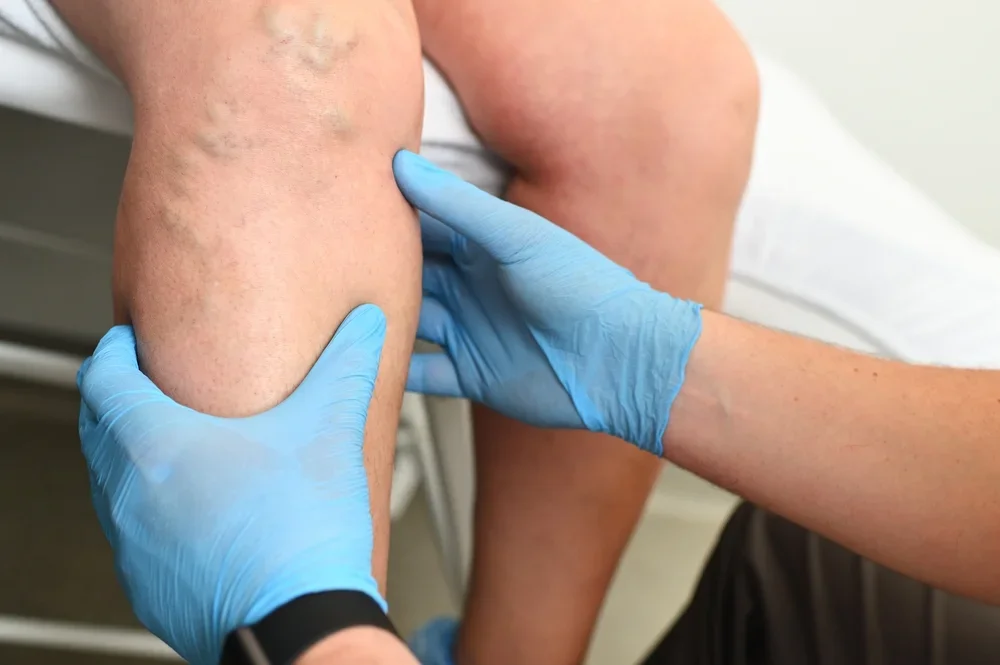
One of the first questions almost every patient asks when they walk through the doors of a lymphedema clinic is: "How long is this going to take?"
It is a fair question. When you are dealing with a heavy, swollen limb that makes putting on clothes difficult, causes pain, and restricts your movement, you want relief immediately. You want to know if you are looking at days, weeks, or months of treatment before you feel like yourself again.
The answer, like the condition itself, is nuanced. While some patients feel a difference after a single session, achieving sustainable volume reduction—the kind where your old shoes fit again—is a process. Lymphedema therapy is not a quick fix; it is a retraining of your body’s most delicate system.
At Lympha Villa, we believe in transparency. We want you to understand the roadmap of your recovery so you can commit to the journey with confidence. In this comprehensive guide, we will break down the timeline of lymphedema therapy, the factors that speed up or slow down results, and what you can realistically expect at every stage of the process.
The Short Answer vs. The Real Answer
If you are looking for a quick estimate, here is the general breakdown:
Immediate Relief (The Feeling): Most patients report feeling "lighter" and having less pain after just 1 session.
Visible Reduction (The Look): Significant visual changes typically occur within 3 to 10 sessions of intensive therapy (Complete Decongestive Therapy).
Stabilization (The Maintenance): Reaching a point where the limb is stable and you can manage it independently usually takes 4 to 8 weeks of consistent care.
However, treating lymphedema isn't like fixing a broken bone where there is a set healing time of 6-8 weeks. Lymphedema is a chronic condition involving fluid dynamics. The timeline depends heavily on how much fluid is there, how hard the tissue has become, and how compliant you are with the "homework" (compression and self-care).
Phase 1: The Intensive Phase (Decongestion)
Timeline: 2 to 4 Weeks (Typically)
The "Intensive Phase" is exactly what it sounds like. This is the period of active treatment where the goal is to reduce the size of the limb as quickly and safely as possible. In a perfect clinical setting, this involves daily therapy, but most outpatient schedules aim for 2-3 sessions per week.
Week 1: Breaking the Cycle
The first week is often the most dramatic. Your lymphatic system has been backed up, perhaps for months or years.
What happens: We use Manual Lymphatic Drainage (MLD) to open the healthy lymph nodes and create a suction effect. We then bandage the limb or apply compression.
The Result: You will likely urinate more frequently as the fluid re-enters your blood circulation and is processed by your kidneys. The "water weight" comes off relatively quickly.
The Feeling: The limb feels softer. The skin, which might have been tight and shiny, starts to wrinkle. This is a good sign! Wrinkles mean the volume is decreasing.
Weeks 2-3: Tackling the Fibrosis
Once the easy-to-move liquid is gone, we are left with the protein-rich fluid that has started to harden into fibrosis (scar tissue).
What happens: The volume reduction might slow down slightly on the tape measure, but the tissue quality is changing. The limb becomes more pliable. We might use specific textured foam pads inside your bandages to break up the hard spots.
The Result: You start to see the definition of anatomical landmarks again—an ankle bone, a wrist, or a knee cap that was previously buried.
The Feeling: Range of motion improves significantly. You might find you can bend your knee or elbow further than you have in a long time.
Week 4: Hitting the Plateau
The goal of the intensive phase is to reach a "plateau." This means that despite continued therapy and compression, the measurements of the limb remain stable for several days in a row.
The Result: This indicates the limb is as small as it can get with decongestion alone. Any remaining difference in size compared to your healthy limb might be due to excess fat deposition (which lymphedema can cause over time) rather than fluid.
Next Step: Once we hit this plateau, we measure you for your long-term maintenance garments.
Factors That Influence Your Timeline
Why does one patient see a 50% reduction in two weeks while another takes six weeks? Several biological and lifestyle factors play a role.
1. The Stage of Lymphedema
Stage 1 (Reversible): The swelling is soft and pitting (leaves a dent when pressed). These patients see the fastest results, sometimes resolving the swelling almost completely within a few sessions because there is no scar tissue to break down.
Stage 2 (Spontaneously Irreversible): The tissue is harder (fibrotic) and doesn't go down with elevation. This takes longer because we have to soften the tissue before we can drain it.
Stage 3 (Lymphostatic Elephantiasis): The skin has thickened significantly. Reduction is a longer process involving skin care and very intensive compression. While dramatic reduction is possible, it requires patience.
2. Duration of the Condition
How long have you had the swelling? If you come to see us two weeks after surgery or the first sign of swelling, your system is still responsive. If you have had untreated swelling for ten years, the lymph vessels may be dilated and the tissue hardened, requiring a longer course of therapy to "wake up" the system and remodel the tissue.
3. Compliance with Compression
This is the single biggest variable. Lymphedema therapy moves the fluid out, but compression keeps it out.
The Scenario: If you receive a massage on Tuesday, leave feeling great, but don't wear your compression bandage/garment on Wednesday, gravity will fill the limb back up by Thursday. You will return to the clinic at square one.
The Reality: Patients who wear their compression religiously 23 hours a day (during the intensive phase) see results twice as fast as those who take it off because it’s "uncomfortable."
4. Other Health Conditions
Venous Insufficiency: If your veins are also weak (varicose veins, venous reflux), your body is constantly dumping more fluid into the tissue than usual. This makes the "drain" work harder and can slow down progress.
Obesity: Excess adipose tissue puts pressure on the lymph nodes and vessels, acting like a kink in the hose. It can make moving fluid physically more difficult.
Congestive Heart Failure: We have to be very careful with how fast we move fluid back to the heart. In these cases, we proceed "low and slow" for safety, extending the timeline intentionally.
How to Speed Up Your Results (Maximizing Therapy)
You are not a passive passenger in this process. You are the co-pilot. The patients who see the fastest, most sustainable results at Lympha Villa are the ones who actively participate in their care between sessions.
1. Master Diaphragmatic Breathing
It sounds too simple to be true, but deep belly breathing is the "on switch" for your lymphatic system. The largest lymph vessel in your body (the thoracic duct) runs right through your diaphragm. Deep breathing creates a vacuum that pulls fluid from your legs and abdomen up toward the heart. Doing this for 5-10 minutes, three times a day, boosts your clearance rate significantly.
2. Move While Compressed
Exercise is good. Exercise in compression is medicine. When you contract your muscles against the resistance of a bandage or garment, it creates a high working pressure that pumps fluid out of the limb. A 20-minute walk with your compression leg sleeve on is more effective than an hour walk without it.
3. Hydrate, Hydrate, Hydrate
It seems counterintuitive to drink water when you are retaining fluid, but lymphedema is about protein concentration. Dehydration makes the lymph fluid thicker and stickier, making it harder to drain. Drinking water helps flush the system and keeps the fluid moving freely.
4. Skin Care is Non-Negotiable
Dry, cracked skin is a portal for bacteria. If you get an infection (cellulitis), all therapy stops until the infection clears. This can set your progress back by weeks and often leaves the limb more swollen than before. moisturizing daily with a low-pH lotion keeps the skin barrier intact and keeps your timeline on track.
What If I Don't See Results Immediately?
It can be disheartening if you don't see a massive change after session one or two. But do not lose hope.
The "Softening" Phase:
Sometimes, the volume doesn't change much initially, but the texture does. If your arm felt like a rock and now feels like a firm pillow, that is huge progress. It means the fibrosis is breaking down. The fluid release will follow.
The "Hidden" Fluid:
Sometimes, we move fluid from a visible area (like the lower leg) into the thigh or hip before it clears completely. You might think the swelling is just "moving up," but this is a necessary step in the drainage pathway. Your therapist will guide this fluid to the lymph nodes where it can finally be processed.
Long-Term Maintenance: The "Forever" Timeline
Patients often ask, "When does therapy end?"
If you have chronic lymphedema (primary or secondary to cancer treatment), the condition is lifelong. However, active therapy is not.
The goal of our team at Lympha Villa is to get you to a place of independence. We want to reduce your limb, fit you with a comfortable garment, and teach you the tools (self-massage, skin care) to manage it yourself.
Ideally, once you complete the intensive phase, you might only need to see us for "tune-ups" once a month or every few months to ensure everything is staying stable or to address any new flare-ups.
Post-Surgical Swelling: A Different Timeline
If you are visiting us for Post-Op Lymphatic Drainage after a tummy tuck, lipo 360, or BBL, your timeline is different. This isn't chronic lymphedema; it's acute trauma.
Week 1: You are very swollen and bruised. Therapy reduces pain and helps the initial fluid drain.
Weeks 2-6: This is the critical window for preventing fibrosis (lumps). Regular massage here ensures a smooth, even result.
3-6 Months: This is typically when "final results" are seen. While the bulk of swelling goes down in the first month, residual swelling can linger for up to 6 months. Consistent lymphatic massage significantly shortens this "fluff" period.
Conclusion: Trust the Process
Healing the lymphatic system is a biological process, not a mechanical one. It takes time, patience, and consistency. But the results are worth it. We have seen patients who were told they would "just have to live with it" regain the ability to wear boots, fit into wedding rings, and walk without pain.
The clock starts ticking the moment you decide to take action. Every day you wait is another day the fluid sits and potentially hardens.
If you are ready to start your timeline to recovery, we are ready to guide you. At Lympha Villa, we combine medical expertise with a compassionate, sanctuary-like environment to make the journey as comfortable as possible.
Don't wait to feel lighter.
Book a session with our specialized therapists today and take the first step toward reclaiming your comfort and mobility.
Frequently Asked Questions About Treatment Timelines
How often should I come for therapy?
During the intensive reduction phase, we ideally recommend 2 to 3 times per week. The closer the sessions are together, the faster the cumulative result, because we don't allow the fluid time to build back up between visits. For maintenance, once a month is common.
Will the swelling come back if I stop therapy?
If you stop therapy and stop wearing compression, yes, the swelling will likely return. Lymphedema is a chronic condition. However, if you maintain your compression garments during the day, the swelling should stay controlled without needing constant professional therapy.
Can I just do one session to "try it out"?
Absolutely. One session is often enough to feel the difference in tissue tension and pain relief. It gives you a glimpse of what is possible. However, for visible volume reduction, a series of treatments is required.
Why is my swelling worse at the end of the day?
This is gravity at work. Throughout the day, being upright causes fluid to pool in the lowest part of your body. This is normal for lymphedema patients. Therapy and compression help combat this daily fluctuation.
Does diet affect how fast I see results?
Yes. A high-salt diet causes water retention in everyone, but for lymphedema patients, it can be severe. Reducing sodium intake and avoiding processed foods can help speed up your volume reduction significantly. Additionally, an anti-inflammatory diet helps reduce the load on your lymphatic system.