

When Should You Start Lymphedema Therapy After Surgery or Injury?
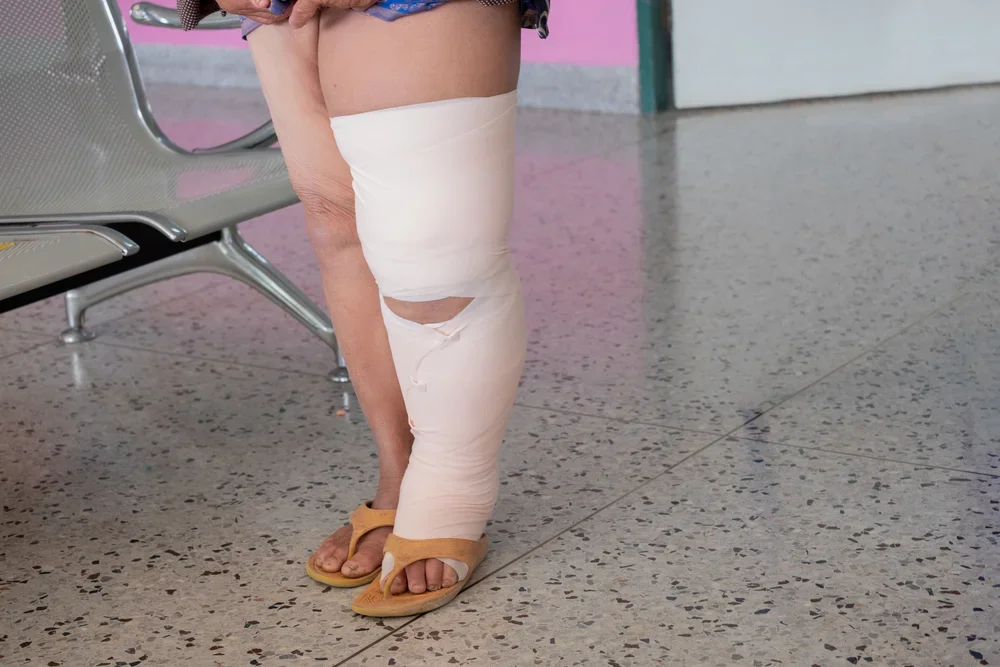
Recovering from a major surgery or injury is often a multi-stage process. You focus first on the acute healing—the stitches, the initial pain management, and the rest. But as the days turn into weeks, many patients notice something lingering: a persistent heaviness, swelling that won’t go down, or a tightness in the skin that feels unnatural. This is often the body’s lymphatic system signaling that it is overwhelmed.
The question isn’t just if you need help managing this swelling, but when you should seek it. Timing is critical in lymphedema therapy. Waiting too long can allow fluid to harden into fibrotic tissue, while starting at the right moment can drastically speed up your return to normalcy.
If you are navigating post-operative recovery or healing from significant trauma, understanding the window for intervention is vital. This guide explores the ideal timeline for starting lymphedema therapy, the risks of delaying care, and how professional management can transform your recovery journey.
Understanding the "Golden Window" for Lymphatic Care
The lymphatic system is your body’s waste disposal unit. It clears out the inflammatory soup—dead cells, excess fluid, and proteins—that rushes to an injury site. When you have surgery (like a mastectomy, liposuction, or orthopedic repair) or sustain a traumatic injury, this system can be damaged or simply overloaded.
The "Golden Window" for therapy refers to the period before the swelling becomes chronic. In the initial phase, the swelling is soft and fluid-based. This is when it is easiest to move. If left stagnant, that protein-rich fluid acts like glue, causing tissues to harden.
Immediate Post-Op Phase (Days 1–14)
In the first two weeks, your body is in high-inflammation mode. While deep, aggressive massage is unsafe directly over fresh incisions, gentle Manual Lymphatic Drainage (MLD) can often start surprisingly early—sometimes within days—provided it is performed by a certified specialist away from the incision sites. This early intervention focuses on opening the "drains" (lymph nodes) upstream from the injury to create a suction effect that pulls fluid away from the swollen area.
The Sub-Acute Phase (Weeks 2–6)
This is typically when patients realize the swelling isn't just going away on its own. The acute pain of surgery has subsided, but the limb or area feels heavy. This is the prime time to begin a structured Lymphedema Therapy program. The tissues are still pliable, and rerouting pathways can be established effectively.
The Chronic Phase (Months 3+)
If swelling persists beyond three months, it is often classified as chronic lymphedema. While therapy is still highly effective at this stage, the goal shifts from prevention to management. The tissue may have begun to fibrose (harden), requiring more intensive techniques to break down the texture before fluid can be moved.
Why Surgery and Injury Trigger Lymphedema
To understand when to start, you must understand why the swelling happens. Lymphedema isn't just "water weight." It is a mechanical failure of the drainage system.
Disruption of Lymph Vessels
During surgeries like tummy tucks, mastectomies, or joint replacements, lymphatic vessels are inevitably cut. These vessels are microscopic, like the roots of a plant. When they are severed, the fluid they usually transport hits a dead end, pooling in the surrounding tissue.
Lymph Node Removal
In cancer treatments, lymph nodes are often removed to check for disease spread. This is like removing a toll booth on a busy highway; traffic (fluid) backs up immediately. Patients who have had lymph nodes removed are at lifetime risk for lymphedema and should be monitored closely.
The Trauma Response
Even without surgery, a severe injury like a fracture or crush injury produces a massive influx of reparative fluid. If the local lymph vessels were crushed or damaged during the accident, they cannot evacuate this fluid fast enough, leading to post-traumatic lymphedema.
Signs You Need to Start Therapy Now
You do not need a formal diagnosis of "Stage 2 Lymphedema" to benefit from therapy. In fact, waiting for a diagnosis often means you have waited too long. Listen to your body. If you experience any of the following, it is time to Book a Session with a specialist.
1. The Swelling is Asymmetrical
If one leg is significantly larger than the other after a knee surgery, or one arm feels tighter than the other after breast cancer treatment, this is a hallmark sign of lymphatic dysfunction. General water retention usually affects the body evenly; lymphedema targets the compromised quadrant.
2. The "Heaviness" Sensation
Many patients describe the sensation not as pain, but as a "dead weight." It feels like you are dragging the limb through water. This heaviness indicates that fluid is accumulating in the interstitial spaces between your cells.
3. Pitting Edema
Press your thumb into the swollen area for five seconds and release. Does an indentation remain, like pressing into memory foam? This is called "pitting edema" and is a classic sign that there is significant fluid accumulation that needs manual evacuation.
4. Reduced Range of Motion
If your swelling is physically stopping you from bending your knee, lifting your arm, or turning your neck, therapy is urgent. Fluid creates internal pressure that acts like a cast, freezing your joints in place.
5. Skin Changes
Look for skin that feels tight, shiny, or warmer than usual. If you notice a texture change—like the skin becoming thicker or harder—this suggests the fluid is beginning to cause fibrosis.
The Risks of "Wait and See"
A common misconception is that post-surgical swelling is "normal" and will "go away eventually." While some swelling is normal, persistent swelling that does not respond to elevation or ice is not. Adopting a "wait and see" approach can lead to complications that are much harder to treat later.
Fibrosis: The Hardening of Tissue
Lymph fluid is rich in protein. When it sits stagnant in your tissues, it triggers an inflammatory reaction that causes collagen to proliferate. Soft, puffy swelling turns into hard, woody tissue. Once fibrosis sets in, it cannot simply be drained away; it must be manually broken down over many sessions.
Increased Infection Risk (Cellulitis)
Stagnant lymph fluid is a breeding ground for bacteria. Because the lymphatic system is your immune system’s highway, a blockage means immune cells can’t get to the skin effectively. This makes lymphedema patients highly susceptible to cellulitis, a serious skin infection that requires antibiotics and can further damage lymph vessels.
Joint Deterioration
Carrying extra fluid weight puts immense strain on your joints. A heavy arm pulls on the shoulder; a swollen leg alters your gait, affecting your hips and back. Treating the lymphedema early protects your orthopedic health.
What Does Lymphedema Therapy Involve?
Modern lymphedema therapy is a comprehensive medical approach known as Complete Decongestive Therapy (CDT). It is not just a standard massage. It involves a combination of modalities designed to manually bypass blockages and stimulate the body’s natural pumps.
Manual Lymphatic Drainage (MLD)
This is the core of the treatment. MLD uses specific, rhythmic hand movements to stretch the skin and stimulate the lymphangions (the tiny muscular units of the lymph vessels). This increases the pumping rate of the lymph system by up to 20 times. For post-surgical patients, therapists use rerouting techniques to guide fluid away from scar tissue and toward healthy lymph nodes.
Compression Therapy
After the fluid is moved out of the limb manually, it must be kept out. This is achieved through multi-layered bandaging or medical-grade compression garments. Compression provides a "wall" for the muscles to push against, aiding the upward flow of fluid.
Skin Care and Education
Maintaining the integrity of the skin is crucial to prevent infection. Therapists provide guidance on pH-balanced lotions and hygiene practices that protect the compromised area.
Decongestive Exercises
Movement is medicine. Unlike the heart, the lymphatic system does not have a central pump; it relies on muscle contraction. Specialized exercises are prescribed to activate the muscle pumps in the affected limb while wearing compression, maximizing fluid evacuation.
You can learn more about these specific techniques on our Services Page, where we break down our clinical approach to recovery.
Post-Surgery Timeline: A Specific Guide
Different surgeries have different timelines for when therapy is most effective. Always consult your surgeon before starting any new therapy, but here are the general guidelines for common procedures.
Cosmetic Surgery (Lipo 360, BBL, Tummy Tuck)
Start Time: As early as 3–5 days post-op (with surgeon clearance).
Why: Cosmetic surgeries cause massive, widespread trauma to the superficial lymphatic system. Without early drainage, patients often develop seromas (pockets of fluid) or fibrosis (lumps and bumps under the skin). Early MLD ensures the smooth, contoured results you paid for.
Orthopedic Surgery (Knee/Hip Replacement)
Start Time: 1–2 weeks post-op.
Why: The swelling from joint replacement is deep and significant. While physical therapy handles the mechanics of the joint, lymphedema therapy handles the fluid volume. Reducing the fluid allows for better bending and straightening of the new joint, speeding up your PT progress.
Oncological Surgery (Mastectomy, Lumpectomy)
Start Time: 2–4 weeks post-op (once drains are removed and incisions are stable).
Why: This is a delicate time. The focus is on preventing the onset of secondary lymphedema. Therapists work to soften scar tissue that might trap fluid and teach patients how to perform self-massage. Treating "cording" (Axillary Web Syndrome) is also a critical part of this phase to restore arm mobility.
How to Prepare for Your First Session
Taking the step to book your first appointment is a move toward reclaiming your body. If you are ready to start, you can easily schedule your evaluation here. Here is what you can do to prepare:
Get Clearance: Ask your surgeon for a note clearing you for "lymphatic drainage" or "lymphedema therapy."
Hydrate: A well-hydrated lymphatic system moves fluid more easily. Drink plenty of water before and after your session.
Wear Comfortable Clothing: You want to avoid anything that constricts lymph flow, like tight waistbands or elastic cuffs.
Bring Your History: Be prepared to discuss your surgery date, any complications, and your pain levels.
Frequently Asked Questions About Timing Therapy
Is it ever too late to start lymphedema therapy?
No. While early intervention prevents fibrosis, therapy is effective even years after the onset of swelling. The tissue may be firmer and require more intensive work, but significant volume reduction is almost always possible.
Can I just use a compression sleeve instead of therapy?
Compression garments are for maintenance, not reduction. If you put a tight sleeve on a fluid-filled arm, you are simply trapping the fluid there. You must drain the limb first using manual therapy, then use the sleeve to hold the reduction.
Will lymphedema therapy hurt?
No. In fact, it should be painless. The lymphatic vessels are located just beneath the surface of the skin. If a therapist presses too hard, they collapse the vessels and stop the flow. The treatment is rhythmic, relaxing, and gentle.
How many sessions will I need?
This varies wildly by individual. A post-op cosmetic patient might need a series of 6–10 sessions over a few weeks. A patient with chronic lymphedema might need an "intensive phase" of daily therapy for two weeks, followed by a maintenance schedule.
The Psychological Benefit of Early Action
Beyond the physical relief, starting therapy early provides immense psychological support. Surgery and chronic conditions can feel isolating. Your body feels foreign, heavy, and unresponsive.
Working with a lymphedema therapist gives you a partner in your recovery. It validates that what you are feeling is real and treatable. It shifts your mindset from passive suffering to active recovery. Knowing you have a plan to manage the swelling reduces anxiety and empowers you to engage more fully in your rehabilitation.
Conclusion
The answer to "When should I start lymphedema therapy?" is almost always: sooner than you think. Whether you are three days out from liposuction or three months out from a mastectomy, the presence of persistent swelling is your body’s cry for help.
Do not wait for the swelling to harden. Do not wait until your range of motion is compromised. By intervening early with professional lymphatic care, you can reduce pain, prevent permanent tissue changes, and get back to living your life comfortably.
If you are noticing signs of swelling, heaviness, or recovery stagnation, don't delay. Visit our Services Page to learn more about our specialized treatments, or take the first step today and Book Your Session. Your recovery is waiting.