

What to Do When Swelling Keeps Coming Back
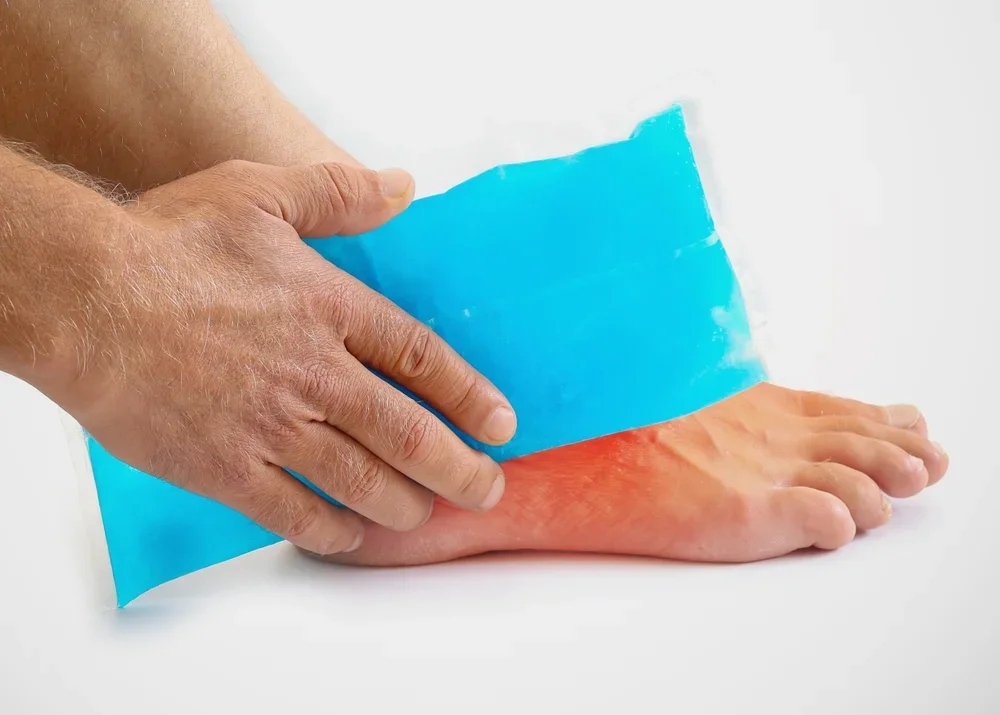
You follow all the rules. You wear your compression garment, you try to eat well, and you elevate your limb whenever you can. Yet, despite your best efforts, the swelling returns. It might be a gradual increase over the week or a frustrating rebound just hours after taking your compression off. This persistent, recurring swelling is one of the most disheartening challenges for anyone managing lymphedema or chronic edema. It can make you feel like you’re fighting a losing battle.
This cycle of swelling reduction and recurrence is not a sign of failure. It is, however, a critical signal from your body that your current management strategy may be incomplete. Simply containing the swelling is often not enough to address the root cause of the fluid buildup, which is a congested or compromised lymphatic system.
When swelling keeps coming back, it’s time to move beyond passive management and adopt a more active, comprehensive approach. Understanding why the rebound happens and what steps you can take to break the cycle is the key to achieving more consistent, long-term control.
At Lympha Villa, we specialize in helping clients who feel "stuck" in this exact situation. We know that lasting relief comes from a multi-faceted strategy that combines professional therapy with empowered self-care. This guide will explore the reasons behind recurring swelling and provide actionable steps you can take to finally gain the upper hand.
Understanding the "Rebound Effect"
Before we can solve the problem, we must understand why it happens. The swelling you experience is lymph fluid—a mix of water, proteins, fats, and cellular waste—that your lymphatic system has failed to clear away. When this fluid sits in the tissues, it creates a stubborn, protein-rich environment.
Why Swelling Comes Back
Passive Containment vs. Active Drainage: A compression garment is excellent at containing swelling. It acts like a wall, preventing more fluid from accumulating in the limb. However, it has a limited ability to remove the fluid that is already there. If the limb is never properly decongested in the first place, the garment is simply squeezing a full container. The moment you take it off, the pressure is gone, and fluid can begin to pool again.
The Protein-Rich Nature of Lymphedema: Lymphedema fluid is high in protein. These large protein molecules act like sponges, drawing water into the tissues through osmosis. Unless this protein-rich fluid is manually moved out of the area and back into circulation, it will continue to pull fluid back into the limb, causing it to re-swell.
Underlying Systemic Congestion: Your affected limb is part of a larger, interconnected system. If the central lymphatic pathways in your torso, abdomen, and neck are sluggish or blocked, there is nowhere for the fluid from your limb to go. It’s like a traffic jam on a highway; even if you clear a local road, if the main highway is backed up, traffic will quickly gridlock again.
Development of Fibrosis: Over time, chronic swelling can lead to the development of fibrosis—hard, dense, connective tissue. This hardened tissue acts like a dam, physically blocking lymphatic pathways and making it even harder for fluid to drain. A simple compression garment cannot reverse significant fibrosis.
Inconsistent or Improperly Fitted Compression: A garment that is too old and has lost its elasticity, or one that was not fitted correctly, will not provide the necessary support to prevent fluid from returning.
Recurring swelling is a sign that one or more of these factors are at play. The solution, therefore, lies in a strategy that actively decongests the limb, clears central pathways, and addresses tissue changes.
Step 1: Get a Professional Assessment and Decongestive Therapy
If you are trapped in a cycle of recurring swelling, the most important first step is to seek professional help from a certified lymphedema therapist. A self-managed plan can only take you so far. An expert can provide a thorough assessment and, most importantly, initiate the decongestive process that is missing from your current routine.
The Gold Standard: Complete Decongestive Therapy (CDT)
The most effective treatment for persistent lymphedema is Complete Decongestive Therapy (CDT). This is an intensive, multi-part program designed to dramatically reduce the volume of the swollen limb and give you the tools to maintain those results.
Here’s what it involves:
Manual Lymph Drainage (MLD)
This is the active drainage component that is likely missing from your current plan. MLD is a gentle, hands-on therapy where a trained specialist uses specific rhythmic movements to:
Clear Central Pathways: The therapist starts by stimulating the lymph nodes in your neck, armpits, and groin to ensure the "main drains" are open.
Reroute Stagnant Fluid: They then manually guide the excess fluid from your swollen limb towards these healthy, functioning lymph nodes.
MLD is the only method that effectively removes the stagnant, protein-rich fluid from your tissues, directly addressing the cause of the rebound effect.
Compression Bandaging
During the intensive phase of CDT, you won't be wearing your usual compression garment. Instead, after each MLD session, your therapist will apply specialized multi-layer compression bandages. These bandages are different from your daytime garment because they are low-stretch. This means they provide a firm, rigid casing that your muscles pump against when you move, creating a powerful force that continuously pushes fluid out of the limb. These bandages are typically worn 23 hours a day and are reapplied by your therapist after each session.
This combination of MLD followed by compression bandaging is the most powerful way to significantly reduce the size of a swollen limb and soften fibrotic tissue. This intensive phase can last for several weeks, depending on the severity of your swelling.
Only after the limb is decongested to its smallest possible size will you be re-measured and fitted for a new compression garment. This ensures your garment fits your new, smaller limb perfectly, making it far more effective at maintenance.
Our clinic specializes in providing comprehensive Lymphedema Therapy, guiding patients through every step of the CDT process to break the cycle of chronic swelling.
Step 2: Re-evaluate Your Compression Strategy
Your compression garment is your daily partner in managing swelling. If it’s not doing its job, your swelling will inevitably return.
Is Your Garment Right for You?
Check the Fit: Has it been more than six months since you were measured for your garment? If you've gained or lost weight, or if the initial decongestion phase was skipped, your garment is likely not fitting correctly. A poor fit can lead to ineffective compression or even create a tourniquet effect that traps fluid.
Assess the Age and Condition: Compression garments are made of elastic fibers that degrade over time. A garment worn daily typically needs to be replaced every 4-6 months. An old garment loses its compressive strength and will not be able to prevent your limb from re-swelling.
Consider the Compression Class: Are you in the right level of compression? As lymphedema progresses, you may need to move to a higher compression class. This is a decision that should be made in consultation with your therapist.
Think About Nighttime Compression: For many people, a daytime garment is not enough. During the 8+ hours you are sleeping, fluid can slowly seep back into the tissues. A specialized nighttime compression system—often a bulky foam-based garment or a bandaging system—provides a gentle, constant pressure that prevents this from happening. If you notice your limb is significantly puffier in the morning, talk to your therapist about nighttime options.
Step 3: Supercharge Your Daily Habits
Once you have professionally decongested your limb and optimized your compression, your daily habits become the key to maintaining your results and preventing the swelling from coming back.
Make Movement a Non-Negotiable
Your muscles are your body's natural lymphatic pumps. An inactive day is a day that invites swelling to return.
Start and End Your Day with Pumping: Before you get out of bed and before you go to sleep, perform a simple routine of diaphragmatic breathing, ankle pumps, and gentle joint rotations. This "wakes up" your lymphatic system and helps clear fluid that has pooled overnight or during the day.
Incorporate "Movement Snacks": Don't sit or stand for more than an hour at a time. Set a timer and get up to walk around, do a few calf raises, or stretch for 2-3 minutes. These small bursts of activity make a huge difference.
Choose Rhythmic, Low-Impact Exercise: Activities like walking, swimming, or cycling are ideal. Always wear your compression garment during exercise (unless in the pool) to maximize the pumping effect.
Double Down on Skin Care
Chronic swelling compromises skin health, making it prone to infections that can trigger a severe inflammatory response and a rapid increase in swelling.
Cleanse, Dry, and Moisturize Daily: Use a gentle, pH-balanced cleanser and a low-pH lotion to maintain your skin’s protective barrier. Pay special attention to drying skin folds.
Inspect Daily: Look for any cuts, rashes, or redness. Treat any small skin break immediately with an antiseptic and a bandage. Catching problems early can prevent a major setback.
Mind Your Diet and Hydration
Control Your Sodium: Excessive salt intake is a direct cause of fluid retention. Read labels on packaged foods and limit high-sodium items. A salty meal can result in a visibly swollen limb the next day.
Stay Hydrated: Drinking plenty of water helps keep your lymph fluid thin and mobile, making it easier for your system to clear. Dehydration makes everything more sluggish.
Focus on an Anti-inflammatory Diet: Build your meals around whole foods like vegetables, fruits, and lean proteins. These foods help reduce the overall inflammatory load on your body.
Step 4: Use Self-Care Tools to Bridge the Gap
In between your professional therapy appointments, you can use self-care techniques to keep your lymphatic system active and manage minor fluctuations in swelling.
Self-Manual Lymph Drainage (Self-MLD)
Your therapist can teach you a simplified version of MLD to perform on yourself at home. This usually involves techniques to clear the neck and torso, followed by gentle strokes to guide fluid from the affected limb toward the trunk. Performing this 10-15 minute routine once or twice a day can be incredibly effective at preventing fluid from building up.
Pneumatic Compression Pumps
A pneumatic compression pump is a machine with an inflatable sleeve that you put over your limb. The machine inflates and deflates chambers in the sleeve in a specific sequence to help move fluid out of the limb. While a pump should never be a replacement for MLD and a comprehensive CDT program (as it doesn't clear the central pathways), it can be a useful adjunctive tool for home maintenance after the limb has been properly decongested. You should only use a pump under the guidance of a qualified therapist.
When to Take Action
It's time to break the cycle of recurring swelling. If you are experiencing any of the following, it is a clear sign that your current plan is not enough:
Your limb continues to gradually increase in size over time.
The tissue in your limb feels harder or firmer than it used to.
Your jewelry or clothing feels tighter.
You experience frequent heaviness, aching, or discomfort in the limb.
Your swelling rebounds significantly as soon as you remove your compression.
Persistent swelling is not something you have to accept. It's a solvable problem, but it requires the right strategy—one that prioritizes active decongestion over passive containment. By working with a professional to clear the existing fluid and then adopting a rigorous daily maintenance plan, you can finally stop the rebound and achieve the consistent control you deserve.
Don't stay stuck in a frustrating cycle. If what you're doing isn't working, it's time to try a new approach. Take the first step toward lasting relief by seeking an expert opinion. We invite you to book a session with our team of lymphatic specialists to get a comprehensive assessment and create a plan that works.