

How the Lymphatic System Works (And What Happens When It Fails)
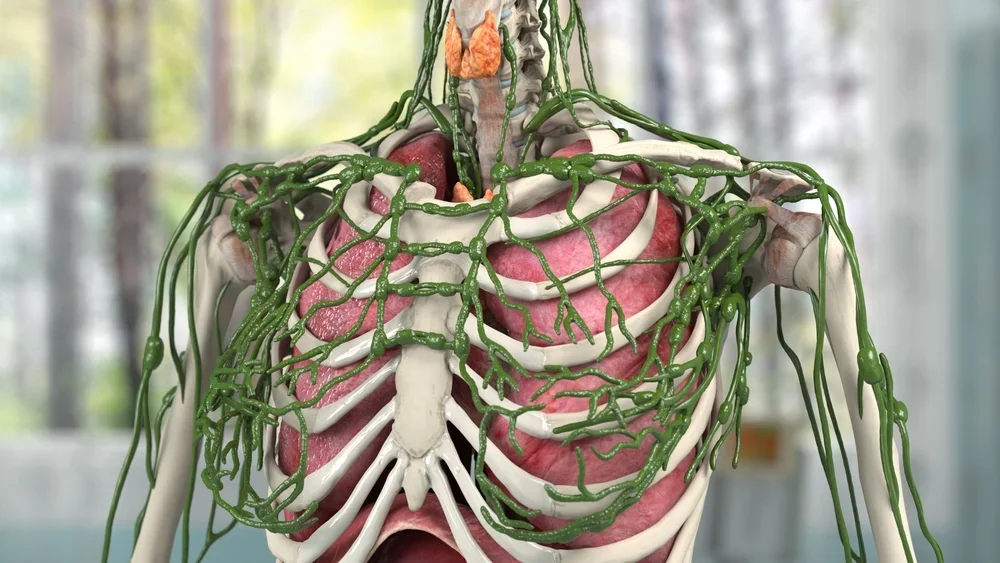
We all know about the heart. We can feel it beating in our chests. We understand that arteries pump fresh blood out and veins bring used blood back. It is a closed loop, a highway system that is taught in every high school biology class. But running parallel to those blood vessels is another network—a silent, invisible, and often ignored superhighway that is just as critical to your survival.
This is the lymphatic system.
While the circulatory system delivers the groceries (oxygen and nutrients) to your cells, the lymphatic system takes out the trash. It is the body’s sewage treatment plant, security detail, and recycling center all rolled into one. Without it, you would swell up like a balloon and succumb to infection within hours.
Despite its importance, most people pay zero attention to their lymphatic health until something goes wrong. When this system fails—whether due to genetics, cancer treatment, or injury—the results are immediate and often life-altering. Conditions like lymphedema are not just "fluid retention"; they are evidence of a system in crisis.
In this comprehensive guide, we will pull back the curtain on this mysterious system. We will explore exactly how it works, the physics of how fluid moves without a pump, and what steps you must take when the system begins to fail.
The "Second" Circulatory System
To understand the lymphatic system, you have to look at the big picture of human plumbing. Your body is roughly 60% water. This fluid is constantly moving, shifting from blood vessels to tissues and back again.
Every day, your heart pumps approximately 20 liters of fluid into the tissues to nourish your cells. The veins are responsible for reabsorbing most of this fluid (about 17 liters) and returning it to the heart. But the veins are picky. They can only reabsorb water and small particles. They cannot pick up large molecules like proteins, cell debris, bacteria, or long-chain fatty acids.
This leaves about 3 liters of "leftover" fluid—essentially toxic sludge rich in waste and protein—stranded in the spaces between your cells (the interstitium).
If that fluid stayed there, the tissue would rot and swell. The lymphatic system is the "one-way street" designed to vacuum up this leftover mess, clean it, and return it safely to the bloodstream. It maintains the delicate fluid balance that keeps us alive.
Anatomy: The Parts of the Machine
The lymphatic system is vast. It reaches almost every inch of your body, with the exception of the central nervous system, bone marrow, and cartilage. It is composed of a complex infrastructure of vessels, nodes, and organs.
1. Lymph: The Fluid Itself
Before it enters the lymphatic vessels, this fluid is called interstitial fluid. Once it enters the lymphatic system, it is called lymph.
Composition: It is usually a clear to milky fluid containing proteins, salts, glucose, fats, water, and white blood cells (lymphocytes).
The "Protein Load": This is the most critical component. Large protein molecules are the building blocks of life, but once they leak out of the blood capillaries, they cannot get back in on their own. Only the lymphatic system can retrieve them. If they are not retrieved, they attract water and cause swelling.
2. The Vessel Network (The Pipes)
Just like arteries and veins, lymphatic vessels come in different sizes, starting small and getting larger as they move toward the heart.
Initial Lymphatic Capillaries: These are microscopic, blind-ended tubes located just under the skin. They are like tiny fingers that sit between cells. They have "swinging flaps" anchored to the tissue by filaments. When fluid pressure builds up in the tissue, these flaps pull open, allowing fluid to rush in.
Pre-Collectors and Collectors: Once the fluid is inside, it moves into larger transport vessels called collectors. These vessels look like a string of pearls because they have one-way valves every few millimeters. These valves are crucial—they prevent the dirty fluid from flowing backward.
Lymphatic Trunks: The collectors merge into large trunks that drain major regions of the body.
The Ducts: Finally, everything dumps into two major drains. The Right Lymphatic Duct drains the right arm and right side of the head/chest. The Thoracic Duct (the largest vessel) drains the entire rest of the body (both legs, the abdomen, and the left side of the upper body).
3. Lymph Nodes (The Filtration Plants)
You have between 600 and 700 lymph nodes in your body. About one-third of them are located in the neck/head area, but large clusters exist in the armpits (axillary nodes) and groin (inguinal nodes).
Function: Think of nodes as checkpoints or water treatment plants. As lymph fluid flows through a node, the flow slows down. Inside, specialized immune cells identify and destroy harmful pathogens like bacteria and viruses. They also filter out cellular waste and cancer cells.
Why they swell: When you are sick, your lymph nodes swell because they are actively fighting an infection. They are working overtime to produce more white blood cells to attack the invader.
4. Lymphoid Organs (The Headquarters)
While the vessels and nodes handle transport and filtering, several organs support the system:
Spleen: Filters blood, recycles old red blood cells, and stores platelets and white blood cells.
Thymus: Located behind the breastbone, this is where T-cells (a type of immune soldier) mature.
Tonsils and Adenoids: The first line of defense against pathogens entering through the mouth or nose.
The Three Critical Functions
Why does the body invest so much energy in this secondary system? It serves three distinct, vital purposes.
1. Fluid Balance (Homeostasis)
This is the mechanical function. Without the lymphatic system sucking up that extra 3 liters of fluid every day, our tissues would become waterlogged. This would lead to rapid edema (swelling), causing cell death and tissue destruction. It keeps your blood volume stable and prevents your tissues from becoming a stagnant swamp.
2. Immune Defense (Surveillance)
The lymphatic system is the highway for your immune system. It transports antigen-presenting cells to the lymph nodes, where they "show" the immune system what viruses or bacteria are present in the body. It then transports the antibodies and lymphocytes back to the blood to fight the infection. If the lymphatic flow is blocked, the immune response in that area is compromised.
3. Fat Absorption (Nutrition)
This is a lesser-known function. In your small intestine, there are specialized lymph vessels called lacteals. Dietary fats and fat-soluble vitamins (A, D, E, and K) are too large to be absorbed directly into the blood. Instead, they are absorbed by the lacteals, turning the lymph fluid milky white (chyle), and are transported up to the bloodstream.
The Engine Problem: How Does Lymph Move?
Here is the flaw in the design: The lymphatic system does not have a heart.
Blood moves because the heart is a powerful pump that pushes it. Lymph, however, must move against gravity (from the toes up to the neck) without a central pump to drive it.
So, how does the fluid get from your feet to your collarbone? It relies on the Musculoskeletal Pump.
Muscle Contraction: Every time you move your muscles—walking, bending, stretching—you squeeze the deep lymphatic vessels. This external pressure pushes the fluid upward through the one-way valves.
Arterial Pulsation: Lymph vessels often run right next to arteries. The rhythmic pulsing of the artery massages the lymph vessel, encouraging flow.
Respiration (Breathing): The Thoracic Duct runs through your diaphragm. When you take a deep belly breath, the pressure in your chest changes, creating a vacuum effect that literally sucks lymph fluid up from the legs and abdomen.
Intrinsic Contraction: The smooth muscle units within the lymph vessels (lymphangions) have a natural rhythm. In a healthy person, they contract about 10-12 times per minute.
The implication is clear: The lymphatic system requires movement to function. A sedentary lifestyle is the enemy of lymphatic health because it shuts down the primary engine (muscle movement).
System Failure: When the Flow Stops
What happens when the "drains" get clogged? When the transport capacity of the lymphatic system drops below the amount of fluid being produced, you get a traffic jam.
The protein-rich fluid begins to back up into the tissues. This condition is known as Lymphedema.
Unlike simple water retention, lymphedema is a chronic, progressive condition. The fluid is toxic to the tissues. It causes inflammation, fatty deposits, and fibrosis (scarring).
Why Does the System Fail?
There are two main reasons for failure:
1. Mechanical Insufficiency (The Plumbing is Broken)
This occurs when the vessels or nodes are physically damaged or missing.
Surgery: The removal of lymph nodes during cancer treatment (breast, prostate, melanoma) is the #1 cause of secondary lymphedema in the US.
Radiation: This can scar the fragile vessels, narrowing the pathways years after treatment.
Trauma: severe burns, deep cuts, or degloving injuries can sever the lymphatic collectors.
Genetics: Some people are born with fewer vessels than normal (Primary Lymphedema).
2. Dynamic Insufficiency (The Load is Too High)
This occurs when the "plumbing" is healthy, but the volume of fluid is simply too high for the system to handle. This happens in cases of chronic venous insufficiency (vein failure), severe heart failure, or kidney disease. Eventually, the high volume burns out the lymphatic vessels, leading to permanent damage.
The Consequences of Failure
When the lymphatic system fails, it is not just a cosmetic issue of a swollen arm or leg. The consequences are physiological and severe:
Impaired Immunity: The "security guards" (white blood cells) can't get to the area efficiently. The stagnant fluid becomes a breeding ground for bacteria. This leads to a high risk of Cellulitis (a serious skin infection) and Erysipelas.
Tissue Hardening (Fibrosis): The protein in the fluid acts like glue. Over time, soft swelling turns into hard, wood-like tissue. This restricts range of motion and is very difficult to reverse.
Chronic Inflammation: The body is in a constant state of fighting the stagnant fluid, leading to fatigue and localized pain.
Wound Healing Issues: Without fresh circulation and waste removal, cuts and scrapes on a lymphedematous limb take much longer to heal.
Signs Your System is Struggling
You don't wake up with stage 3 lymphedema overnight. The system gives you warning signs that it is struggling to keep up with the load.
Transient Swelling: Do your ankles disappear after a flight but return to normal in the morning? That is a sign your system is maxed out but recovering.
Heaviness: A limb feeling "dead" or heavy, even if it doesn't look swollen.
Tightness: Clothing, rings, or watches leaving deeper indentations than usual.
Brain Fog & Fatigue: A sluggish lymphatic system means toxins aren't clearing efficiently, which can impact overall energy levels.
If you are noticing these signs—especially if you have a history of cancer surgery or trauma—it is vital to seek professional assessment. Early intervention can stop the progression.
Visit our Services Page to learn about our diagnostic and therapeutic approach.
Restoring Function: How We Fix the Flow
The lymphatic system cannot be "cured" in the sense that we cannot grow new lymph nodes to replace removed ones. However, we can optimize the system that remains. We can reroute traffic around the roadblocks.
This is the core philosophy of Complete Decongestive Therapy (CDT), the gold standard treatment we utilize at Lympha Villa.
1. Manual Lymphatic Drainage (MLD)
This is not a traditional muscle massage. Deep tissue massage creates more fluid (hyperemia), which can actually overwhelm a struggling lymphatic system.
MLD is a highly specific, gentle technique that stretches the skin to manually open those initial lymphatic capillaries. It increases the contraction rate of the lymph vessels from 10 times a minute to 60+ times a minute.
The Goal: We map the body’s "watersheds" (drainage zones). If your right armpit nodes are removed, we manually push the fluid across the chest to the healthy left armpit, or down the trunk to the right groin. We are literally retraining the fluid to find a new exit.
2. Compression Therapy
Once MLD has emptied the limb, compression keeps it empty.
Short-Stretch Bandages: These provide a rigid shell. When your muscles bulge against the bandage, the pressure goes inward, physically pumping the fluid up the limb.
Garments: Maintenance sleeves or stockings provide a graduated pressure gradient (tightest at the bottom, looser at the top) to prevent backflow.
3. Decongestive Exercises
Exercise while wearing compression is the "turbo boost" for the lymphatic system. Simple movements amplify the muscle pump effect, driving fluid out of the limb rapidly.
4. Skin Care
Because the immune defense is local to the lymph system, keeping the skin barrier intact is non-negotiable. Using low-pH lotions and preventing dry skin stops bacteria from entering the vulnerable tissue.
Prevention: Caring for Your Lymphatics
Even if you have a healthy system, protecting it is key to longevity and immunity.
Hydrate: Lymph fluid is mostly water. Thick, dehydrated lymph moves slowly. Drinking water lubricates the flow.
Move Often: Remember, muscles are the pump. If you have a desk job, get up every hour to walk. Bouncing on a rebounder (mini-trampoline) is excellent for lymphatic stimulation due to the G-force changes.
Deep Breathing: Spend 5 minutes a day doing diaphragmatic breathing to clear the deep abdominal lymph nodes.
Avoid Restriction: tight clothing that cuts into the waist or groin acts like a tourniquet, stopping lymph flow.
Why Professional Expertise Matters
Because the lymphatic system is so delicate, "do-it-yourself" treatments can sometimes do more harm than good.
Vigorous massage on a swollen limb can collapse the fragile lymph capillaries or break the anchoring filaments, causing further damage. Using a pneumatic compression pump (sleeve machine) without clearing the trunk first can push fluid into the genitals or trunk, creating new areas of swelling.
At Lympha Villa, our therapists are medically licensed and certified in lymphedema management. We understand the complex anatomy of the system. We don't just "rub" the area; we assess the patency of your lymph nodes, check for fibrosis, and design a custom drainage map for your unique body.
Whether you are recovering from cosmetic surgery, managing cancer-related lymphedema, or just looking to boost your immune health, you need a partner who understands the science of flow.
Conclusion
The lymphatic system is the silent guardian of your health. It works tirelessly day and night to keep your tissues clean, your fluid balanced, and your immune system alert. When it works, you don't notice it. When it fails, it demands your attention.
Don't wait for a crisis to appreciate this incredible system. Whether you need preventative care or intensive management for an existing condition, understanding the mechanics of your body is the first step toward healing.
If you are experiencing swelling, heaviness, or are preparing for a surgery that impacts your lymph nodes, let us help you prepare and recover.
Take the next step for your health.
Learn more about our treatments: Lympha Villa Services
Schedule your evaluation today: Book a Session