

Post-Traumatic Lymphedema: Why Old Injuries Still Swell
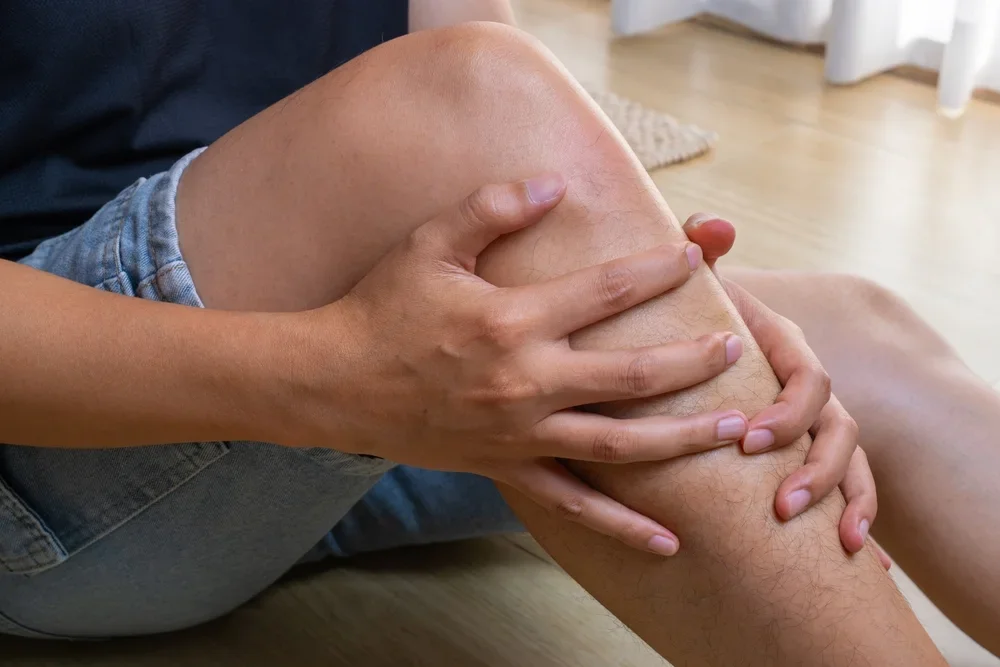
An old injury—a bad sprain, a fracture, or a deep wound from years ago—is often thought of as a closed chapter. The bones have mended, the skin has healed, and life has moved on. But what happens when that same area begins to swell, feel heavy, or ache, long after the initial trauma has resolved? This baffling phenomenon is often a sign of post-traumatic lymphedema, a chronic condition where the lymphatic system, damaged during the original injury, can no longer manage its fluid-balancing duties effectively.
Many people dismiss this persistent swelling as an inevitable side effect of their old injury, something they just have to live with. However, this "new" swelling is a distinct medical condition that requires specialized attention. The lymphatic system, your body’s intricate network for fluid drainage and immune defense, is surprisingly delicate. A significant physical trauma can inflict lasting damage on this system, leading to a delayed but progressive problem. Understanding the link between past injuries and current swelling is the first step toward finding effective relief and preventing long-term complications.
The Unseen Damage: How Trauma Impacts the Lymphatic System
To understand post-traumatic lymphedema, you first need to appreciate the role of the lymphatic system. It's a complex network of vessels and nodes running parallel to your circulatory system. Its primary job is to collect excess fluid, proteins, and waste products from your body's tissues and return them to the bloodstream. When this system works correctly, fluid levels remain balanced.
A significant physical injury can disrupt this system in several ways, even if the damage isn't immediately apparent.
Direct Vessel and Node Destruction
Severe trauma can directly crush, sever, or obliterate lymphatic vessels and nodes.
Crush Injuries: Accidents involving heavy objects, machinery, or significant impact can physically destroy the delicate, thin-walled lymphatic vessels in the affected area.
Complex Fractures: A badly broken bone, particularly one with multiple fragments or displacement, can tear surrounding soft tissues, including the lymphatic network.
Deep Lacerations or Degloving Injuries: Wounds that penetrate deep into the tissue or strip skin and soft tissue away from the underlying structures can sever major lymphatic pathways.
Even if the body forms new, smaller pathways (a process called lymphangiogenesis), they are often insufficient to handle the normal lymphatic load of the limb, leading to a gradual backup of fluid over time.
The Impact of Surgical Intervention
The surgery required to repair a traumatic injury can sometimes be as damaging to the lymphatic system as the injury itself. Surgeons are primarily focused on stabilizing bones, repairing tendons, and closing wounds. While essential, these procedures can inadvertently cause further harm to the lymphatic vessels.
Incisions and Scar Tissue: Surgical incisions cut through all layers of tissue, including lymphatics. As the incision heals, it forms scar tissue. This dense, fibrous tissue is inflexible and can act as a dam, blocking the flow of lymph fluid through the area. Extensive internal scarring from complex orthopedic repairs is a common cause of lymphatic obstruction.
Hardware Placement: Plates, screws, and rods used to fix fractures can create physical barriers that compress or obstruct nearby lymphatic channels.
Tissue Removal: In some severe injuries, damaged or non-viable tissue (debridement) must be removed. This can include parts of the lymphatic network, permanently reducing the drainage capacity of the region.
The Role of Inflammation and Infection
Every significant injury triggers a powerful inflammatory response. While this is a normal and necessary part of healing, prolonged or excessive inflammation can be detrimental to the lymphatic system.
Chronic Inflammation: The fluid that accumulates after an injury is rich in proteins and inflammatory cells. If this fluid isn't cleared efficiently, it can lead to a state of chronic inflammation, which in turn causes fibrosis—the hardening and scarring of soft tissue. This fibrotic tissue further constricts and damages lymphatic vessels, creating a vicious cycle of poor drainage and more inflammation.
Post-Traumatic Infections: Open wounds from an injury are highly susceptible to infection. A severe infection like cellulitis causes intense inflammation that can permanently destroy lymphatic vessels. Even after the infection is treated, the drainage capacity of the limb may be permanently reduced, setting the stage for lymphedema to develop later.
Why Does Swelling Appear So Long After the Injury?
One of the most confusing aspects of post-traumatic lymphedema is its delayed onset. The swelling may not appear for months, years, or even decades after the initial event. This is because the lymphatic system has a remarkable reserve capacity.
Imagine a multi-lane highway. If an accident closes a few lanes, traffic can still get through, albeit more slowly. The lymphatic system works similarly. Immediately after the injury, the remaining healthy vessels work harder to compensate for the damaged ones. For a long time, this compensation is enough to prevent noticeable swelling. This period is known as the latency stage (or Stage 0) of lymphedema. The limb looks and feels normal, but the lymphatic system is compromised and operating at its limit.
Over time, several factors can overwhelm this fragile balance and trigger the onset of visible swelling:
Age: As we age, our lymphatic system naturally becomes less efficient. This normal decline can be the final straw that pushes a previously compensated system into failure.
Weight Gain: Gaining weight increases the overall fluid load and inflammatory state of the body, placing additional strain on an already struggling lymphatic system.
A New Injury or Infection: Even a minor injury, an insect bite, or a mild infection in the same limb can trigger an inflammatory response that the compromised system cannot handle, leading to the onset of persistent swelling.
Prolonged Immobility or Dependency: Long flights, periods of bed rest, or jobs that require standing for hours can cause fluid to pool in the lower extremities, overwhelming the system's drainage capacity.
Once the system's capacity is exceeded, the protein-rich lymph fluid begins to accumulate in the tissues, and the visible and palpable signs of lymphedema appear.
Recognizing the Symptoms of Post-Traumatic Lymphedema
The symptoms of post-traumatic lymphedema often begin subtly and progress over time. Being aware of the early signs is crucial for seeking timely treatment and preventing the condition from worsening.
Early-Stage Symptoms
A Feeling of Heaviness or Fullness: The affected limb (often a leg or arm) may feel heavy, achy, or full, particularly at the end of the day.
Pitting Edema: When you press a finger firmly into the swollen area, it leaves a temporary indentation. This is a sign of fluid accumulation in the soft tissues.
Transient Swelling: The swelling may initially come and go, worsening with activity or dependency and improving with rest and elevation.
Tightness: You might notice that clothing, shoes, or jewelry feel tighter around the affected limb.
Recurrent Infections: The area of the old injury may become prone to recurrent bouts of cellulitis.
Progressive and Late-Stage Symptoms
If left untreated, the stagnant, protein-rich fluid causes chronic inflammation and fibrosis, leading to more severe and permanent changes.
Non-Pitting Edema: The tissue becomes firm, dense, and spongy. Pressing on it no longer leaves an indent. This indicates the development of fibrotic tissue.
Skin and Tissue Changes: The skin may become hard, thick, and leathery. It can develop a warty texture (hyperkeratosis) or a cobblestone-like appearance.
Increased Limb Size and Distortion: The limb becomes progressively larger and may lose its normal shape and contour.
Pain and Reduced Mobility: The weight and stiffness of the limb can cause pain and make movement difficult, impacting daily activities.
Leaking Fluid (Lymphorrhea): In very advanced cases, the skin may become fragile and begin to weep or leak clear or yellowish lymph fluid, creating a very high risk of infection.
If you have a history of a significant injury and are experiencing any of these symptoms—even years later—it is vital to seek an evaluation for post-traumatic lymphedema.
The Gold Standard: Managing Post-Traumatic Lymphedema with Complete Decongestive Therapy (CDT)
While the damage to the lymphatic system is permanent, the resulting swelling and symptoms can be managed very effectively. The most successful, non-invasive treatment is Complete Decongestive Therapy (CDT), a comprehensive program delivered by a certified lymphedema therapist. CDT consists of four interconnected components designed to reduce swelling and maintain the results long-term.
1. Manual Lymphatic Drainage (MLD)
This is the cornerstone of treatment for any form of lymphedema. MLD is a gentle, skin-stretching manual technique, not a deep-tissue massage. The goal of lymphatic drainage for old injuries is to manually redirect the trapped fluid away from the area of blockage and toward healthy, functioning lymphatic pathways.
A trained therapist understands how to work around the internal scar tissue and damaged zones. They will first clear the central pathways in the trunk to create a "vacuum" effect, then use precise, rhythmic movements to guide fluid from the swollen limb toward these cleared areas. This process reduces limb volume, softens fibrotic and hardened tissue, and alleviates the feelings of pain and heaviness.
2. Compression Therapy
After MLD has moved the fluid out, compression is essential to prevent the limb from refilling. This is a critical component for both short-term reduction and long-term maintenance.
Intensive Phase: Multi-Layer Bandaging. During the initial phase of treatment, the therapist applies specialized short-stretch bandages over padding. This creates a semi-rigid cast that provides high pressure when you move your muscles (working pressure) and low pressure when you're at rest. This dynamic pressure system acts as an external pump, continuously moving fluid out of the limb between therapy sessions.
Maintenance Phase: Compression Garments. Once the limb is decongested to its smallest possible size, you will be fitted for a medical-grade compression garment (sleeve or stocking). These garments must be worn daily to provide consistent pressure, support the tissues, and prevent the re-accumulation of fluid. Proper fit is crucial for both comfort and effectiveness.
3. Decongestive Exercises
Movement is a powerful pump for the lymphatic system. When you contract your muscles, they squeeze the lymphatic vessels, pushing fluid along. A lymphedema therapist will create a personalized exercise program to be performed while wearing your compression bandages or garment. These exercises are typically gentle and repetitive, such as ankle pumps, knee bends, or hand clenching, depending on the location of the swelling. The combination of muscle contraction and external compression creates a highly effective pumping action that significantly enhances lymphatic flow.
4. Meticulous Skin Care
A lymphedematous limb is highly susceptible to infection. The stagnant fluid is a rich breeding ground for bacteria, and the skin can be fragile. A simple cut or insect bite can quickly become a serious case of cellulitis, which causes more lymphatic damage.
A daily skin care regimen is non-negotiable:
Clean and Dry: Wash the limb daily with a pH-neutral soap and pat it dry thoroughly.
Moisturize: Apply a low-pH lotion to keep the skin hydrated and prevent cracking.
Protect: Take every precaution to avoid cuts, scratches, burns, or insect bites on the affected limb.
Monitor: Inspect your limb daily for any signs of infection (redness, warmth, increased swelling, pain) and contact your doctor immediately if they appear.
Specialized Care for Chronic Swelling After Injury
Managing post-traumatic lymphedema requires expert care from professionals who understand the unique challenges posed by old injuries. At Lympha Villa, our medically licensed therapists specialize in treating complex lymphatic conditions. Our services for post-trauma recovery focus on a clinical approach to physically move trapped fluid, reduce limb size, and manage the fibrotic tissue that often complicates these cases.
We understand that every injury is different, and we develop a personalized treatment plan that addresses your specific history and symptoms. We provide the hands-on post-traumatic lymphedema treatment and long-term management strategies you need to regain control over your condition.
Take Action on Your Swelling
That persistent swelling from an old injury is not something you have to accept. It is a treatable medical condition. By understanding that your past trauma may have caused lasting damage to your lymphatic system, you can take the necessary steps to get an accurate diagnosis and begin effective therapy. A proactive approach with CDT can reduce the size of your limb, improve your mobility, decrease your risk of infection, and significantly enhance your quality of life.
Don't let the ghost of an old injury dictate your future comfort and health. If you are struggling with chronic swelling, heaviness, or pain in a previously injured limb, it's time to seek help. Book a session with one of our lymphatic health experts today and discover how specialized therapy can help you find lasting relief.