

Managing Chronic Swelling After Infection or Cellulitis
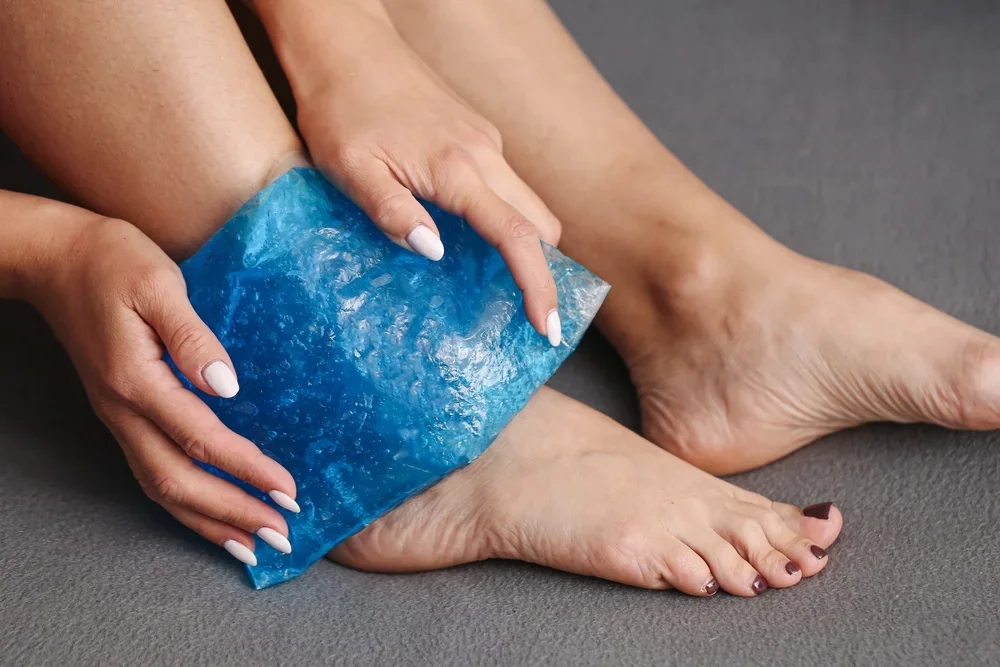
When a serious skin infection like cellulitis strikes, the immediate focus is on fighting the bacteria with antibiotics and getting the acute symptoms—redness, warmth, pain, and fever—under control. Once the infection clears, most people expect a full recovery. However, for some, a troubling new problem emerges: chronic, persistent swelling in the area where the infection occurred. This lingering swelling is not just a stubborn side effect; it's often a sign of secondary lymphedema, a condition where the infection has caused lasting damage to the lymphatic system.
This post-infection swelling can be confusing and frustrating. The limb may feel heavy, tight, and achy long after the infection is gone. This is because a severe infection can act like a firestorm within the soft tissues, overwhelming and destroying the delicate vessels of the lymphatic system. Understanding this connection is the key to getting the right diagnosis and, more importantly, finding the right therapy to manage the swelling and prevent it from becoming a lifelong burden. To learn about specialized therapies for chronic swelling, visit our services page.
The Vicious Cycle: How Infection Damages the Lymphatic System
Your lymphatic system is a critical, yet often overlooked, part of your body's defense and fluid management network. It's a web of tiny vessels and lymph nodes that constantly work to remove excess fluid, cellular waste, and foreign invaders (like bacteria) from your tissues. When you get an infection, the lymphatic system springs into action, transporting immune cells to the area and draining away the debris of the battle.
However, a severe infection, particularly cellulitis, can overwhelm this system and cause permanent damage. Cellulitis is a deep bacterial infection of the skin and the underlying soft tissues. The intense inflammatory response it triggers is what leads to lymphatic destruction.
The Inflammatory Assault on Lymphatic Vessels
When bacteria invade, the body floods the area with inflammatory cells and fluid to fight back. This results in the classic signs of infection: swelling, redness, and heat. In a severe infection, this inflammatory process is so aggressive that it can harm the body's own structures. The thin, delicate walls of the lymphatic vessels are particularly vulnerable.
This process, known as lymphangitis, is the inflammation of the lymphatic vessels themselves. They become damaged, scarred, or completely destroyed by the bacterial toxins and the body's own intense immune response.
The Consequences of Lymphatic Damage
Each episode of cellulitis can be thought of as an attack on your lymphatic "plumbing." With each attack, more pipes (lymphatic vessels) are damaged or removed. The result is a permanent reduction in the drainage capacity of that part of your body.
Even after the bacteria are eliminated by antibiotics, the structural damage remains. The lymphatic system in the affected limb is now compromised. It can no longer handle its normal workload of fluid removal, leading to a slow, steady backup of protein-rich lymph fluid in the tissues. This is the beginning of secondary lymphedema.
Creating a Cycle of Recurrence
The most dangerous aspect of post-infection lymphedema is that it creates a vicious cycle. The stagnant, protein-rich lymph fluid is a perfect breeding ground for bacteria. This means a limb with lymphedema is significantly more prone to developing cellulitis again.
Here’s how the cycle works:
A severe infection (cellulitis) damages the lymphatic system.
The damaged system leads to the development of lymphedema (chronic swelling).
The lymphedematous limb has impaired local immunity and is a protein-rich environment, making it highly susceptible to new infections.
A minor cut, insect bite, or even dry, cracked skin can allow bacteria to enter, leading to another episode of cellulitis.
This new infection causes even more damage to the already compromised lymphatic system, worsening the lymphedema.
Breaking this cycle is the primary goal of managing chronic swelling after an infection. For a full review of lymphedema therapy solutions, check our lymphatic drainage massage and lymphedema care services.
Recognizing the Signs of Post-Infection Lymphedema
The onset of lymphedema after cellulitis can be gradual. You might not notice it right away, but it's important to be aware of the early signs so you can seek help before the condition progresses.
Early-Stage Symptoms (Latency and Stage 1)
A Feeling of Heaviness or Fullness: The affected limb (usually a leg or arm) may feel heavy, achy, or tight, especially towards the end of the day.
Transient Swelling: The swelling might come and go at first. It often gets worse with prolonged standing or sitting and improves with rest and elevation.
Pitting Edema: When you press a finger firmly on the swollen area, an indentation remains for a few seconds. This is a classic sign of fluid buildup.
Tight-Fitting Clothes or Shoes: You may notice that your sock leaves a deeper indent, or your shoes feel tighter on the affected foot.
Recurrent Infections: If you find yourself getting cellulitis in the same limb repeatedly, it is a strong indicator of underlying lymphatic dysfunction.
At this stage, the condition is often manageable, and its progression can be halted or slowed with proper treatment. Learn more about your options for early intervention on our services page.
Later-Stage Symptoms (Stage 2 and 3)
If the condition is not managed, the stagnant fluid causes chronic inflammation, leading to fibrosis (the formation of scar tissue) and other permanent changes.
Persistent, Firm Swelling: The swelling no longer improves much with elevation. The tissue feels dense, firm, and spongy, and it no longer pits when pressed. This is Stage 2 lymphedema.
Skin Changes: The skin can become thick, hard, and dry. It may develop a rough, warty texture (hyperkeratosis) or a cobblestone appearance. The limb can become significantly larger and lose its natural shape.
Pain and Reduced Mobility: The increased size and weight of the limb can cause pain, discomfort, and difficulty with movement.
Leaking Fluid (Lymphorrhea): In advanced cases (Stage 3), the skin can become so stretched and fragile that it cracks and weeps lymph fluid. This creates an open wound and a very high risk of a major infection.
If you have a history of cellulitis or another serious infection and are experiencing any of these symptoms, it is crucial to consult a healthcare provider or a certified lymphedema therapist. To get comprehensive care, consider booking a session at Lympha Villa.
Effective Management: Complete Decongestive Therapy (CDT)
The most effective, non-invasive treatment for post-infection lymphedema is Complete Decongestive Therapy (CDT). This is the gold-standard approach, delivered by a certified lymphedema therapist. CDT is not a single treatment but a comprehensive program with four key components that work together to reduce swelling, improve tissue health, and break the cycle of recurrent infections.
Learn more about Complete Decongestive Therapy and its role in recovery.
1. Manual Lymphatic Drainage (MLD)
This is the hands-on foundation of CDT. MLD is a specialized, gentle form of manual therapy designed to stimulate the lymphatic system and reroute fluid around the damaged areas. Unlike a deep massage, MLD uses light, rhythmic, skin-stretching motions.
A therapist trained in lymphatic drainage for infection recovery understands how to work with a compromised system. The process involves:
Clearing Central Pathways: The therapist first works on the neck and torso to ensure the main lymphatic drains are open and ready to receive fluid from the swollen limb.
Rerouting Fluid: They then use precise hand movements to manually guide the stagnant lymph fluid from the affected limb toward healthy, functioning lymph nodes in other parts of the body.
This process helps to reduce the volume of the limb, soften hardened and fibrotic tissue, and alleviate the feelings of pain and heaviness. Read more about our lymphatic drainage massage services.
2. Compression Therapy
After MLD has moved the fluid out, compression is applied to prevent it from returning. This is an absolutely essential step for managing lymphedema.
Intensive Phase: Multi-Layer Compression Bandaging. In the initial treatment phase, the therapist applies layers of special short-stretch bandages and padding to the limb. This creates a semi-rigid casing that provides high pressure when you move your muscles and low pressure when at rest. This dynamic pressure system acts as an external pump, continuously moving fluid out of the limb and preventing it from refilling between MLD sessions.
Maintenance Phase: Compression Garments. Once the limb has been decongested to its smallest possible size, you will be fitted for a medical-grade compression garment (a sleeve for an arm or a stocking for a leg). This garment must be worn every day, from morning until night, to maintain the reduction in swelling and support the tissues. Proper fit, pressure level, and fabric type (usually flat-knit for lymphedema) are critical for success.
Discover our guidance on compression therapy by visiting our services page.
3. Decongestive Exercises
The contraction of your muscles is a natural pump for the lymphatic system. A lymphedema therapist will prescribe a set of simple, gentle exercises to be performed while wearing your compression bandages or garments. These exercises might include ankle pumps, marching in place, or making a fist. The combination of muscle movement against the firm resistance of the compression creates a powerful pumping action that significantly enhances the flow of lymph fluid.
If you’re ready to start a customized exercise routine for your recovery, book a consultation with our team on our booking page.
4. Meticulous Skin and Nail Care
Breaking the cycle of recurrent cellulitis is a primary goal of CDT. This starts with impeccable skin care. A lymphedematous limb is fragile and has a reduced immune response, making it an easy target for bacteria.
A daily skin care protocol is non-negotiable:
Cleanse Gently: Wash the limb daily with a pH-neutral, gentle soap.
Dry Thoroughly: Pat the skin completely dry, paying special attention to areas between toes or fingers and in skin folds.
Moisturize Daily: Apply a low-pH, high-quality moisturizer to keep the skin hydrated and intact, preventing the cracks that allow bacteria to enter.
Protect Your Skin: Be vigilant about preventing any trauma to the limb. Use insect repellent, wear protective clothing for activities like gardening, and avoid cuts, scratches, and sunburns.
Proper Nail Care: Cut nails straight across and be careful not to injure the surrounding skin.
Immediate Action: At the first sign of a cut or insect bite, clean the area thoroughly with an antiseptic and apply an antibiotic ointment.
Proper skin care education is a key component of our post-infection lymphedema management services.
Partnering with Experts in Lymphedema Care
Managing chronic swelling after cellulitis requires a specialized approach. At Lympha Villa, our medically licensed therapists are experts in treating complex lymphatic conditions, including post-infection lymphedema. Our services page describes the clinical, hands-on methods we use to physically move trapped fluid, reduce limb size, and teach you the most effective strategies for long-term management.
We focus on:
Reducing Limb Volume: Through expert MLD and compression bandaging.
Breaking the Infection Cycle: By providing comprehensive education on skin care and risk reduction.
Long-Term Management: Guiding you on proper garment use, exercise, and self-care strategies to empower you to control your condition.
Take Control of Your Post-Infection Swelling
The chronic swelling that lingers after a serious infection is not something you have to live with. It is a medical condition—secondary lymphedema—and it is treatable. By understanding that the infection caused lasting damage to your lymphatic system, you can seek the appropriate care to manage the symptoms and, most importantly, prevent the devastating cycle of recurrent infections.
A proactive approach with Complete Decongestive Therapy can transform your quality of life. It can reduce the swelling, alleviate pain and heaviness, and dramatically lower your risk of future infections. Don't wait for the swelling to worsen or for another infection to strike.
If you are struggling with persistent swelling after cellulitis or another infection, it’s time to take the next step. Book a session with a lymphatic health specialist at Lympha Villa today. Let our experts help you break the cycle and begin your journey toward lasting relief and recovery.