

Who Is a Good Candidate for Lymphedema Therapy?
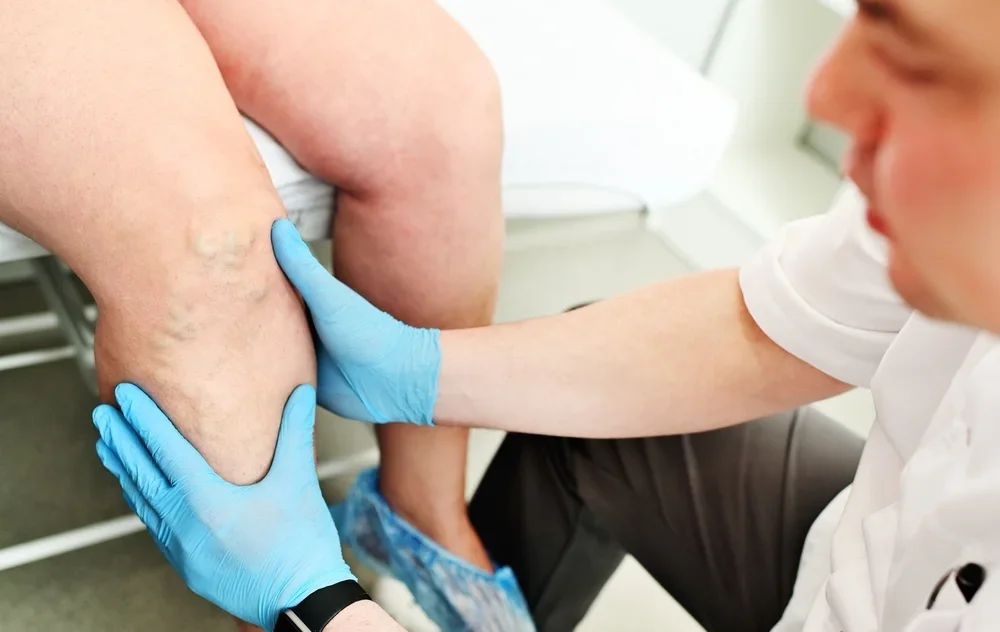
When most people hear the term "lymphedema," they often associate it strictly with cancer survivors or elderly patients with visible, severe swelling. While these groups certainly make up a significant portion of patients, the reality is that the pool of people who can benefit from lymphedema therapy is much wider. The lymphatic system is involved in everything from post-surgical healing and injury recovery to managing chronic venous conditions and lipedema.
Lymphedema therapy—often referred to as Complete Decongestive Therapy (CDT) or Manual Lymphatic Drainage (MLD)—is not just for those with a formal diagnosis of chronic lymphedema. It is a powerful medical tool for anyone whose body is struggling to manage fluid balance. Whether you are recovering from a "mommy makeover," dealing with heavy legs after a long day, or navigating life after cancer treatment, understanding if you are a candidate for this therapy could be the key to unlocking better health and comfort.
In this comprehensive guide, we will break down exactly who is a good candidate for lymphedema therapy, exploring the specific conditions, surgeries, and symptoms that respond best to this specialized care. If you have ever wondered if your swelling is "normal" or if there is something more you could be doing to feel lighter, this post is for you.
Understanding the Scope of Lymphedema Therapy
Before diving into specific candidates, it is important to understand what the therapy actually does. At its core, lymphedema therapy is about assisting a compromised or overwhelmed system.
Your lymphatic system is your body’s sewage treatment plant. It collects fluid, waste, dead cells, and toxins from your tissues and filters them through lymph nodes. When this system is damaged (due to surgery or radiation) or simply overwhelmed (due to injury or venous insufficiency), fluid backs up. This creates swelling, inflammation, and pain.
Therapy candidates generally fall into two broad categories:
Corrective Candidates: Those who have a damaged system and need manual help to reroute fluid (e.g., cancer survivors, chronic lymphedema patients).
Supportive Candidates: Those who have a healthy system that is temporarily overwhelmed by trauma or surgery (e.g., liposuction patients, sports injuries).
If you fall into either of these categories, you are likely a strong candidate for treatment. Let’s look at the specific groups who benefit most.
1. Post-Surgical Patients (Cosmetic & Reconstructive)
One of the largest groups of people who benefit from Lymphatic Drainage Benefits are those recovering from cosmetic or plastic surgery. In fact, many surgeons now make lymphatic massage a mandatory part of the recovery protocol.
Why You Are a Candidate
Surgery is controlled trauma. When a surgeon performs liposuction, a tummy tuck, or a Brazilian Butt Lift (BBL), they are physically disrupting the tissue planes where lymph vessels live. This disruption causes the body to rush fluid to the area as a protective mechanism (inflammation). However, because the drainage channels have been cut or compressed, that fluid gets trapped.
Specific Procedures That Benefit
Liposuction (Lipo 360, Chin Lipo, Arm Lipo): Liposuction creates large internal wounds. Without therapy, this fluid can harden into lumps and bumps (fibrosis), ruining the smooth contour you paid for.
Tummy Tucks (Abdominoplasty): This surgery severs the superficial lymphatic vessels in the abdomen. Therapy helps bridge the gap while new channels form, reducing swelling that can last for months otherwise.
BBL (Brazilian Butt Lift): Swelling in the lower back and hips is intense after a BBL. Therapy helps reduce pressure on the newly transferred fat cells, potentially improving graft survival.
Facelifts and Blepharoplasty: Facial swelling can be distressing. MLD is gentle enough for the face and can drastically speed up the resolution of bruising and "chipmunk cheeks."
If you are planning a surgery or are currently in the thick of recovery, you are an ideal candidate. Starting therapy early can shave weeks off your downtime. You can Book a Session to align with your post-op timeline.
2. Cancer Survivors (Oncology Recovery)
This is the traditional and perhaps most critical group of lymphedema therapy candidates. Cancer treatments often target the lymphatic system directly, either by removing lymph nodes to check for spread or by radiating areas where lymph nodes exist.
Why You Are a Candidate
When lymph nodes are removed or damaged by radiation, it is like closing a lane on a busy highway. The fluid that used to flow through that lane now has to merge into the remaining lanes, causing a traffic jam (swelling). This puts you at risk for "secondary lymphedema."
Who Should Seek Therapy?
Post-Mastectomy or Lumpectomy Patients: Even if you don't have visible swelling yet, you are a candidate for preventative therapy. Learning self-drainage techniques and monitoring for early signs is crucial.
Patients with "Cording" (Axillary Web Syndrome): If you feel a tight, guitar-string sensation under your arm or down your elbow after breast surgery, you are a prime candidate. This is a lymphatic vessel that has hardened, and therapy can release it.
Radiation Patients: Radiation causes soft tissue to become tight and woody (fibrosis). Therapy helps keep the skin pliable and prevents the "shrink-wrap" effect that limits range of motion.
Survivors Years Post-Treatment: Lymphedema can strike years after cancer treatment. If you notice a sudden heaviness or swelling in the affected limb long after you are "cured," you need an evaluation immediately.
For cancer survivors, therapy is not just about aesthetics; it is about preserving the function of the limb and preventing infection.
3. Orthopedic Surgery Patients
While plastic surgery patients often hear about lymphatic massage, orthopedic patients—those undergoing knee replacements, hip replacements, or ACL repairs—are frequently overlooked. This is a missed opportunity, as they are excellent candidates for therapy.
Why You Are a Candidate
Orthopedic surgeries are deep and traumatic. A total knee replacement, for example, causes massive swelling that acts like a "liquid cast." This internal pressure restricts the joint from bending. Physical therapy is often painful because the joint is simply too full of fluid to move.
The Benefits for Orthopedic Recovery
Pain Reduction: Much of the pain post-surgery is from pressure. Draining the fluid reduces the pressure, thereby reducing pain.
Improved Range of Motion: When you remove the fluid, the joint can bend further. Patients who incorporate lymphedema therapy often hit their flexion and extension goals faster than those who don't.
Faster Return to Walking: Less heaviness in the leg means it is easier to walk correctly, normalizing your gait sooner.
If your physical therapist is struggling to bend your knee because it is "too swollen," you are a definite candidate for lymphedema therapy.
4. Individuals with Chronic Venous Insufficiency (CVI)
Do your ankles disappear by the end of the day? Do you have "cankles" or legs that feel like lead weights in the evening? You might be suffering from Chronic Venous Insufficiency (CVI), and you are a prime candidate for lymphatic support.
Why You Are a Candidate
Veins and lymphatics work together. The veins carry blood back to the heart, and the lymphatics carry the "overflow" fluid. In CVI, the veins are weak and leak fluid into the tissue. The lymphatic system tries to pick up the slack, but eventually, it burns out from the extra workload. This is called "phlebolymphedema."
Signs You Would Benefit
Pitting Edema: If you press on your shin and a dent remains.
Skin Discoloration: Reddish or brown staining (hemosiderin staining) on the lower legs.
Varicose Veins: Visible, ropy veins often accompany lymphatic overload.
Ulcers: If you have slow-healing wounds on your ankles, therapy is critical to oxygenate the tissue and promote healing.
For this group, therapy is usually a combination of manual drainage and compression garments. It can mean the difference between mobility and being chair-bound.
5. Patients with Lipedema
Lipedema is often confused with obesity or lymphedema, but it is a distinct condition. It is a fat disorder, primarily affecting women, where painful, disproportionate fat accumulates in the legs and sometimes arms.
Why You Are a Candidate
While lymphedema therapy cannot "drain" the fat cells away, patients with lipedema almost always have a secondary lymphatic compromise. The excess fat tissue compresses the delicate lymph vessels, causing fluid to accumulate alongside the fat. This makes the legs feel painful and bruise easily.
Goals of Therapy for Lipedema
Pain Management: Many lipedema patients report that their legs hurt to the touch. MLD is gentle and provides significant pain relief by reducing interstitial fluid pressure.
** Preventing Progression:** Untreated lipedema can progress to "lipo-lymphedema," where the lymphatic system fails completely. Therapy helps support the system to prevent this progression.
Pre- and Post-Liposuction: Many lipedema patients undergo specialized liposuction to remove the diseased fat. MLD is absolutely essential before and after these surgeries to ensure safety and recovery.
If you have been diagnosed with lipedema or suspect you have it (disproportionate legs, cuffing at the ankles, easy bruising), you are a strong candidate for supportive care. Visit our Services Page to see how we approach lipedema management.
6. People with Autoimmune Conditions
Autoimmune diseases like Rheumatoid Arthritis, Lupus, and Fibromyalgia often come with systemic inflammation. While lymphedema therapy doesn't cure the disease, it can manage the symptoms effectively.
Why You Are a Candidate
Inflammation is essentially fluid and immune cells rushing to a site. In autoimmune diseases, this happens chronically. The lymphatic system is responsible for clearing this inflammatory soup. When the system is sluggish, the inflammatory chemicals sit in the tissue, causing pain and stiffness.
Therapy Benefits
Detoxification: MLD helps flush these inflammatory mediators out of the tissue.
Nervous System Reset: The rhythmic nature of MLD engages the parasympathetic nervous system (the "rest and digest" mode), which can help dampen the pain signals associated with Fibromyalgia.
Reduced Morning Stiffness: Clearing fluid helps lubricate the tissues and reduce the "puffy" feeling many autoimmune patients wake up with.
7. Pregnancy and Postpartum Moms
Pregnancy places a massive load on the lymphatic system. The volume of blood in the body increases by 50%, and the growing baby puts physical pressure on the pelvic lymph nodes, blocking drainage from the legs.
Why You Are a Candidate
During Pregnancy: Many women suffer from painful swelling in the feet and ankles. MLD is safe during pregnancy (with modifications) and provides immense relief for tired, heavy legs.
Postpartum: After delivery (especially C-sections), the body has to eliminate all that extra fluid. A C-section also involves cutting through lymph vessels, leading to a "shelf" of swelling over the scar. MLD can help soften the scar and reduce the "mommy pooch" caused by trapped fluid.
8. Athletes and Weekend Warriors
You don't need a medical diagnosis to benefit. High-level athletes have used lymphatic drainage for years as a secret weapon for recovery.
Why You Are a Candidate
intense exercise creates micro-trauma in the muscles. This is how muscles grow, but it also produces metabolic waste (like lactic acid) and inflammation. Delayed Onset Muscle Soreness (DOMS) is largely a result of this accumulation.
If you are training for a marathon, recovering from a sports injury (like a sprained ankle), or just hit the gym too hard, you are a candidate. Therapy clears the metabolic waste faster, allowing you to get back to training sooner with less soreness.
9. Primary Lymphedema Patients
Primary lymphedema is a rare, genetic condition where a person is born with a malformed lymphatic system. It may show up at birth, during puberty, or later in adulthood (Lymphedema Praecox or Tarda).
Why You Are a Candidate
If you have unexplained swelling in a foot or leg that has happened gradually without any injury or surgery, you may have primary lymphedema. These patients are candidates for lifelong management. Because their system is anatomically incomplete (fewer vessels or nodes), they require consistent therapy to maintain a normal limb size and prevent fibrosis.
Who Is NOT a Good Candidate? (Contraindications)
While the list of candidates is long, there are specific medical situations where lymphedema therapy is unsafe. It is vital to screen for these:
Acute Congestive Heart Failure: If the heart is too weak to pump blood, pushing more fluid back to the heart via lymphatic drainage can overload it and cause pulmonary edema.
Acute Deep Vein Thrombosis (DVT): If you have an active blood clot, massage could dislodge it, causing a pulmonary embolism.
Acute Infection (Cellulitis): Massage can spread the bacteria into the bloodstream, causing sepsis. You must be on antibiotics for at least 48 hours and cleared by a doctor before therapy.
Unstable Kidney Function: If the kidneys cannot filter fluid properly, moving fluid into the bloodstream can be dangerous.
How to Determine If You Are a Candidate
If you see yourself in any of the categories above, the next step is a professional evaluation. You do not need to diagnose yourself. A Certified Lymphedema Therapist (CLT) is trained to assess your medical history, palpate your tissue, and determine if your swelling is lymphatic in nature.
The Evaluation Process
When you Book a Session, your therapist will look for:
Stemmer’s Sign: An inability to pinch the skin at the base of the second toe or finger (a classic sign of lymphedema).
Pitting vs. Non-Pitting: Is the swelling soft and fluid-filled, or hard and fibrotic?
Skin Texture: Are there changes like thickening, discoloration, or weeping?
History: Does your history of surgery, cancer, or trauma align with the swelling patterns?
Conclusion: Don't Live with the Swelling
The biggest misconception about swelling is that you just have to "live with it." Whether it is the result of a necessary life-saving surgery, a cosmetic procedure, or a chronic condition, persistent swelling is not a normal state of being. It is a sign that your body needs help.
If you are a post-surgical patient, a cancer survivor, suffering from venous issues, or simply feeling weighed down by fluid, you are likely an excellent candidate for lymphedema therapy. By addressing the fluid accumulation, you are not just improving how you look; you are improving your immunity, your mobility, and your comfort.
Don't wait for the swelling to become a permanent part of your life. Visit ourServices Page to learn more about how we tailor treatments to your specific needs, or take control today andschedule your evaluation. Relief is closer than you think.