

Does Lymphedema Therapy Really Reduce Swelling? What to Expect
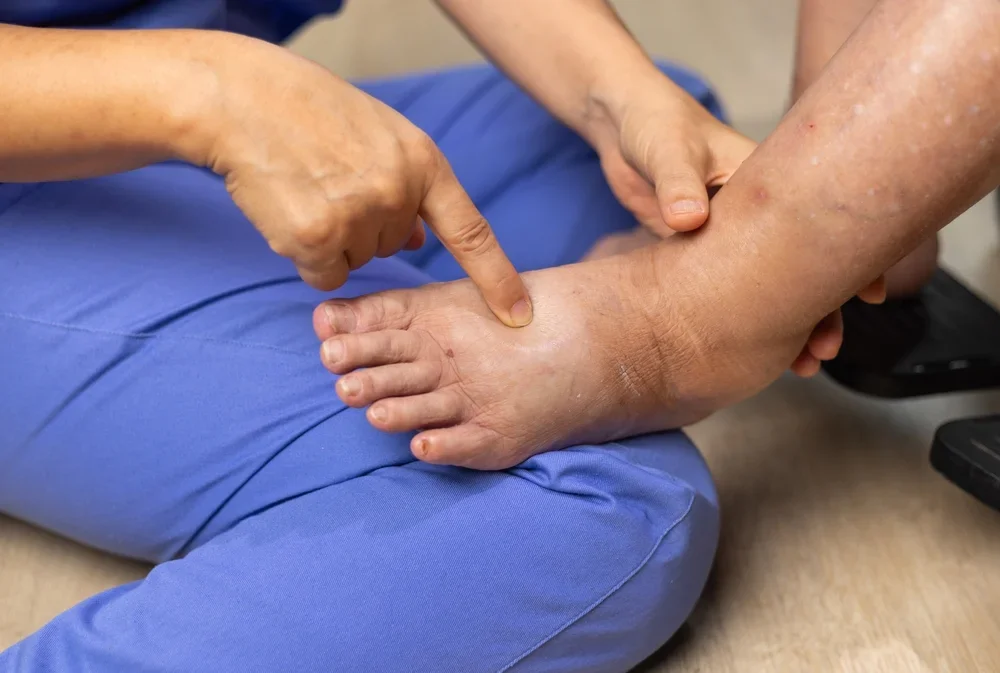
When you are living with a limb that feels heavy, tight, and persistently swollen, skepticism is a natural defense mechanism. You may have tried water pills that didn't work, elevation that only helped temporarily, or generic massages that made no difference. So, when a doctor or friend recommends lymphedema therapy, the first question on your mind is likely: Does this actually work? Will it really bring the swelling down, or is it just another treatment that overpromises and underdelivers?
The short answer is yes, it works—but it’s not magic. It is medicine.
Lymphedema therapy, specifically Complete Decongestive Therapy (CDT), is the gold standard of care for chronic swelling. It isn't based on guesswork; it is grounded in the physiological mechanics of how fluid moves through the human body. However, understanding how it reduces swelling and managing your expectations regarding the timeline is crucial for success.
In this guide, we will peel back the curtain on lymphedema therapy. We will explore the biological mechanisms that allow it to reduce limb volume, what realistic progress looks like, and walk you through exactly what happens during a treatment session at Lympha Villa.
The Physiology of Swelling: Why It Doesn't Just "Go Away"
To understand why therapy works, you first have to understand why the swelling exists. Lymphedema is fundamentally a plumbing problem.
Your body has a circulatory system (blood) that delivers nutrients and oxygen. It also has a lymphatic system (waste disposal) that picks up the "trash"—toxins, proteins, dead cells, and excess fluid—and filters it back into the bloodstream.
In a healthy body, this system works automatically. But in lymphedema, the "drain pipes" (lymph vessels) are either blocked, damaged, or simply too small to handle the volume of fluid being produced.
Unlike widely known edema (like a sprained ankle), lymphedema fluid is protein-rich. This is a critical distinction.
Protein Attraction: Proteins act like magnets for water. If protein sits in your tissues because the lymph system isn't removing it, it constantly pulls more water out of your blood vessels and into the tissue.
Fibrosis: Over time, this stagnant protein causes chronic inflammation. The body reacts by laying down scar tissue, turning soft, fluid-filled swelling into hard, woody tissue known as fibrosis.
Diuretics (water pills) often fail because they remove the water but leave the protein behind, essentially concentrating the "sludge" and sometimes accelerating the hardening process.
Lymphedema therapy works because it is the only modality that physically moves the protein. By manually stimulating the system, we clear the protein jam, and the water follows naturally.
The Evidence: How Therapy Reduces Limb Volume
The effectiveness of lymphedema therapy isn't anecdotal; it is clinical. The primary mechanism for reducing swelling is Manual Lymphatic Drainage (MLD), often combined with compression.
Rerouting the Traffic
Imagine a major freeway is closed due to construction. If cars keep trying to use that freeway, you get a massive traffic jam (swelling). Lymphedema therapy acts as a traffic cop. We don't try to force cars through the closed road; we redirect them to side streets (collateral vessels) that act as a detour.
Our specialized therapists use specific skin-stretch techniques to:
Increase Pumping Frequency: A healthy lymph vessel pumps about 10-12 times a minute. MLD can increase this rate to 60-100 times a minute, essentially hitting the "turbo" button on your drainage system.
Open Collateral Pathways: We manually guide fluid across "watersheds"—natural boundaries in the body—to move fluid from a swollen quadrant (like the right arm) to a healthy quadrant (like the left armpit or groin) where the lymph nodes are functioning perfectly.
The Role of Compression
Once the fluid is moved out of the limb during the massage, the tissue is softer and smaller. However, gravity and arterial pressure will try to refill that space immediately.
This is where compression comes in. By applying short-stretch bandages or wearing a medical-grade garment immediately after drainage, we increase the tissue pressure. This physically prevents the fluid from leaking back out of the blood vessels and accumulating again. It locks in the reduction achieved during the massage.
What to Expect: Realistic Timelines and Results
"How much will I shrink?" is the most common question we hear. The answer depends on several factors, including the stage of your lymphedema and the condition of your tissue.
Stage 1: Soft, Pitting Edema
If your swelling is soft (you can push your finger in and leave a dent) and goes down significantly when you sleep, you are likely in Stage 1.
Response to Therapy: Excellent and rapid. Because the fluid is mostly liquid and there is little scar tissue, patients often see significant volume reduction within the first few sessions.
Expectation: You might notice your shoes fit loosely or your jewelry slides off easily after just one or two treatments.
Stage 2: Fibrotic, Non-Pitting Edema
If the limb feels hard, doesn't pit when pressed, and doesn't go down much overnight, the protein has started to cause fibrosis (hardening).
Response to Therapy: Slower but steady. We first have to soften the hardened tissue to "liquefy" the blockage before we can move it.
Expectation: It may take a few weeks of intensive therapy (2-3 times a week) to see significant volume reduction. The first sign of progress is often a change in texture—the limb feels softer—before it gets smaller.
Stage 3: Lymphostatic Elephantiasis
This is the most advanced stage, characterized by extreme swelling and skin changes.
Response to Therapy: Long-term management. Significant reduction is absolutely possible, but it requires an intensive phase of daily or near-daily therapy combined with meticulous bandaging.
Expectation: Reducing a limb at this stage is a marathon, not a sprint. However, the relief from heaviness and improved mobility can be life-changing, even if the limb never returns to its original size.
A Walkthrough: Your First Session at Lympha Villa
Fear of the unknown can be a barrier to treatment. If you have never had Manual Lymphatic Drainage or lymphedema therapy, you might envision painful medical procedures or scary machines. The reality is quite the opposite. Lymphedema therapy is gentle, soothing, and non-invasive.
Here is a step-by-step look at what happens when you book a session with us.
1. The Assessment (The "Why")
We don't just start massaging. We start by listening. We need to know the history of your swelling. Is it from cancer surgery? Venous insufficiency? Or did it appear spontaneously? We will measure your limb to establish a baseline. This gives us hard data to track your progress over the coming weeks.
2. Opening the Terminus (The "Drain")
You might be surprised that if you have a swollen leg, we start working on your neck. The lymph system drains into the venous system at the base of the neck (the terminus). If we don't clear the exit point first, we can't drain the fluid from below. It’s like unclogging a sink; you have to clear the pipe before the basin will empty.
3. Clearing the Trunk (The "Vacuum")
Before touching your swollen limb, we perform diaphragmatic breathing and massage on your abdomen and healthy quadrants. This creates a suction effect—a vacuum—that will help pull fluid out of the swollen area once we start working on it.
4. Addressing the Swollen Limb (The "Push")
Finally, we move to the affected area. The strokes are extremely light, rhythmic, and slow.
Why so light? The initial lymph capillaries are as thin as spider webs and sit just under the epidermis. If we press as hard as a regular massage, we collapse these vessels and stop the flow.
Why so slow? The lymphatic system has a natural rhythm. We match that rhythm to encourage the vessels to pump.
Patients often describe this part of the session as hypnotic. It is not uncommon for clients to fall asleep because the rhythmic motion engages the parasympathetic nervous system (rest and digest).
5. Fibrosis Techniques (If Needed)
If you have areas of hardness (fibrosis), we may use slightly different, deeper techniques specifically designed to break up the protein accumulations and soften the tissue. This might feel more like kneading but should never be painful.
6. Compression and Education (The "Homework")
After the manual work is done, we don't just send you home empty-handed.
If you are in the intensive phase, we may apply multi-layer short-stretch bandages.
If you are in maintenance, we will help you don your compression garment.
We will teach you simple self-drainage sequences and breathing exercises to keep the fluid moving between appointments.
Patient Experiences: "I Have Ankles Again"
The clinical data is vital, but the human experience is what truly matters. What does reducing swelling actually feel like for a patient?
The Sensation of Lightness
The most immediate feedback we get—often before the patient even gets off the table—is a feeling of "lightness." A swollen limb feels like carrying a lead weight. As the fluid vacates the tissue, that dragging sensation disappears. Patients often say, "My arm feels like it belongs to me again."
Pain Reduction
Swelling causes pain by putting pressure on nociceptors (pain receptors) in the skin and by stretching the tissue. As volume reduces, that pressure is relieved. Many patients report a significant decrease in throbbing, aching, or "bursting" sensations after therapy.
Mobility Returns
Imagine trying to bend your knee while wearing a pair of jeans that are three sizes too small. That is what lymphedema feels like—the skin is so tight it restricts movement. As therapy reduces the volume, the skin relaxes, and range of motion improves. We have had patients who couldn't bend their leg enough to walk up stairs comfortably suddenly able to do so after a few weeks of treatment.
Aesthetic and Emotional Relief
We cannot ignore the visual aspect. Seeing the definition of an ankle bone or a wrist that has been hidden by swelling for months is an incredibly emotional moment for many patients. It validates that the condition is manageable and that they are not powerless.
Why "Standard" Massage Doesn't Work (And Can Be Dangerous)
It is critical to distinguish Lymphedema Therapy from standard massage. We often see patients who tried deep tissue massage to "push the fluid out," only to wake up the next day with increased swelling and pain.
Deep Tissue increases blood flow. When you increase blood flow (active hyperemia), more fluid exits the capillaries and enters the tissue. If your lymphatic drain is broken, you are essentially turning on the faucet full blast while the drain is clogged. The result is more swelling.
Lymphedema Therapy promotes lymph flow without significantly increasing blood flow. It is the only safe massage modality for compromised lymphatic systems. This is why seeing a Certified Lymphedema Therapist at a specialized clinic like Lympha Villa is non-negotiable for safety.
Maintaining the Reduction: The Partnership
Therapy reduces the swelling, but lifestyle maintains it. Think of lymphedema therapy like visiting a dentist, and self-care like brushing your teeth. You need the professional deep clean to get back to baseline, but you need to brush daily to keep problems from returning.
Maintenance involves:
Compression: Wearing your prescribed garments daily.
Skin Care: Keeping the skin moisturized and infection-free.
Movement: Engaging in gentle exercise while wearing compression to pump fluid.
Self-MLD: Performing the simplified drainage sequence we teach you.
Conclusion: Hope Through Management
So, does lymphedema therapy really reduce swelling? The answer is a resounding yes. It is a scientifically proven, mechanically sound method for evacuating fluid from tissues that cannot drain themselves.
It requires patience, commitment, and the right partner in your care, but the results are real. You do not have to accept heaviness and immobility as your new normal. Whether you are recovering from cancer treatment, managing a chronic condition, or just seeking answers for persistent swelling, there is a path forward.
At Lympha Villa, we combine medical expertise with a sanctuary environment to make that path as comfortable and effective as possible. We don't just treat the limb; we treat the person, giving you the tools and the therapy to reclaim your comfort.
Don't let swelling dictate your life.
Discover the relief of specialized care. Book a session today or explore our comprehensive services to learn how we can help you feel lighter and live better.